News and articles
- Home
- Articles






Latest posts

A Diving Instructor is responsible for planning, leading, and developing diving training for children, youth, and adults at various levels. The work involves instructing on technique, safety, and physical training, as well as motivating and supporting participants during training and competitions. The instructor often works in swimming pools and sports facilities, where the environment is characterized by high humidity and noise levels. Working hours can vary, as some activities take place in the evenings and on weekends. The role also includes administrative tasks such as planning training schedules and communicating with parents and clubs.
Read more ->
A Swimming Pool Supervisor is responsible for safety and comfort in the various environments of the swimming facility. Tasks include monitoring bathers, preventive safety work, and providing first aid in case of accidents or incidents. The daily work also involves assisting visitors with information, maintaining order, and handling basic cleaning and maintenance of the premises. The work is often shift-based, including evenings and weekends, and the work environment is both humid and loud, with high demands on attention and service skills.
Read more ->-

Opinion Landscape: Novus February 2026 – Social Democrats Still Largest
Thu, 19 Feb 2026 - 01:35 -

Policy rate remains at 1.75% – Riksbank signals stability
Thu, 29 Jan 2026 - 14:02

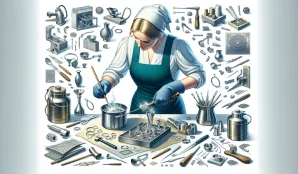
A Silverware Worker manufactures, repairs, and restores items made of silver, such as cutlery, jewelry, table decorations, and other decorative or functional products. The work often involves melting, shaping, and processing silver using various tools and techniques such as soldering, engraving, and polishing. The work environment is typically a workshop or studio where precision, craftsmanship, and attention to detail are required. Silverware Workers often collaborate with designers and may also have customer contact for custom orders. The profession demands high patience and an eye for detail, as each item must meet high standards of quality and aesthetics.
Read more ->
A silversmith works with shaping, manufacturing, and repairing objects made of silver and sometimes other precious metals. Tasks include forging, soldering, engraving, and polishing jewelry, cutlery, and other art objects based on their own or others' designs. The profession requires great precision, patience, and a sense of detail, as work is often done by hand in a workshop environment. Many silversmiths are self-employed and work in their own studios, but there are also positions within larger ateliers or companies specializing in exclusive items and restoration work.
Read more ->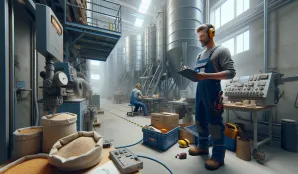
A silo operator is responsible for monitoring, controlling, and maintaining processes where raw materials are stored and handled in silos within industries such as milling, baking, and confectionery. Tasks include receiving raw materials, sampling, monitoring levels, adjusting machinery, and quality control to ensure storage processes follow guidelines. The work often requires precision, technical knowledge, and the ability to quickly identify and fix operational disruptions. The work environment can range from automated facilities to more manual settings and may involve working at heights or in dusty areas, requiring good physical fitness and safety awareness.
Read more ->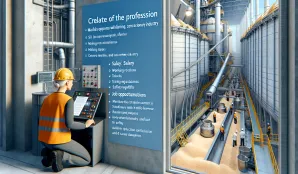
A silo worker is responsible for operating and monitoring silo facilities where grains, feed, or other bulk commodities are stored and handled. Tasks include loading and unloading materials, operating machinery, checking quality, and ensuring that storage processes follow current routines and safety regulations. The environment is often characterized by large machines, noise, and dust, requiring attention and protective equipment. The work often involves shifts and can take place both indoors and outdoors, depending on the facility's design and seasonal workload.
Read more ->
A Silkscreen Printer works with transferring designs, texts, and images onto various materials using silk screen printing, also called screen printing. Tasks include preparing printing frames, mixing colors, setting up printing machines, and the actual printing process. Commonly, printing is done on textiles, signs, paper, or plastic. The work can be manual or machine-based, often in production environments where precision and good color sense are crucial. The work environment is characterized by physical activity, repetitive movements, and sometimes exposure to chemicals, requiring accuracy and safety awareness.
Read more ->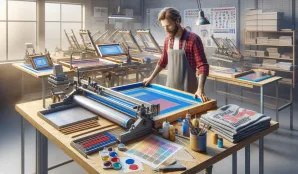
A silk screen printer is responsible for transferring patterns and designs onto various materials, typically textiles, plastics, metals, or paper, using the classic silk screen printing technique. The work includes preparing printing frames, mixing colors, setting up printing machines, and quality control of finished products. The work environment can range from small studios to larger production facilities, with both standing and sitting work. Precision, patience, and some physical endurance are required as the process often involves handling chemicals and heavier materials, as well as working in environments with high noise levels.
Read more ->
A Signalvakt is responsible for directing and managing traffic during roadworks, railway works, or other situations where the safety of workers and the public must be ensured. Tasks include using signal flags, signs, and sometimes communication equipment to coordinate movements between vehicles, machinery, and personnel at the work site. Signalvakten are often outdoors and work in changing weather conditions, sometimes under time pressure or in environments with a lot of noise and activity. The profession requires high attention, quick reaction skills, and a strong sense of safety, as minimizing risks of accidents is crucial.
Read more ->
A signal technician in the railway industry is responsible for installing, maintaining, and repairing technical signal systems that control train traffic on the railway network. Tasks include troubleshooting signal installations, working with relay cabinets, computerized control systems, as well as testing and quality assurance of signal safety. The work is often outdoors and may involve shift work, including nights and weekends, to ensure the railway network functions around the clock. The work environment is characterized by high safety standards and close collaboration with other railway personnel.
Read more ->