News and articles
- Home
- Articles






Latest posts
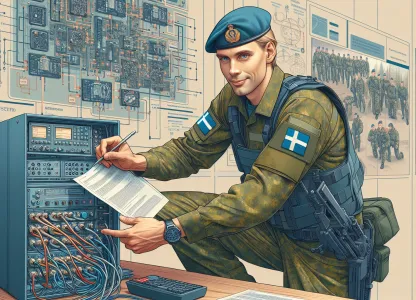
A signal technician in the defense plays a crucial role in ensuring that the military's communication systems function effectively and securely. Tasks include installation, operation, maintenance, and troubleshooting of various telecommunications and signaling systems, including radio, satellite, and data communication. Daily work involves handling both hardware and software, often in field environments or at fixed facilities. The working environment can range from office-based work to challenging physical conditions, sometimes requiring readiness and quick response to technical faults or incidents.
Read more ->
A signal repairer is responsible for installing, maintaining, and repairing signaling systems used in railway, public transport, and industrial facilities. The work includes troubleshooting, component replacement, and electronic system checks to ensure operation and safety. The work environment is often technically demanding and may involve outdoor work, technical rooms, or high elevations. Irregular working hours occur, especially during urgent repairs or maintenance at night when traffic is low. Safety awareness and precision are crucial, as work often takes place near tracks or electrical installations.
Read more ->-

Opinion Landscape: Novus February 2026 – Social Democrats Still Largest
Thu, 19 Feb 2026 - 01:35 -

Policy rate remains at 1.75% – Riksbank signals stability
Thu, 29 Jan 2026 - 14:02

A signal project engineer mainly works with designing, planning, and planning signal systems within railways, subways, and light rail. Tasks include producing technical drawings, analyzing signaling solutions, and ensuring systems meet safety and functional requirements. A signal project engineer often collaborates with other engineers, technicians, and project managers to coordinate installations and upgrades of signaling systems. The work environment is largely office-based but can also involve visits to construction sites or facilities for inspections and meetings. The profession requires precision, technical understanding, and collaboration skills.
Read more ->
A signal technician primarily works with the installation, maintenance, and repair of signaling systems, mainly within railways and track traffic. Tasks include ensuring signal installations function correctly, troubleshooting and fixing technical issues, and performing preventive maintenance. The job often involves outdoor work, sometimes during inconvenient hours or shifts, to minimize traffic disruptions. The work environment can be demanding and often involves working at heights or near track traffic, requiring high safety awareness and precision.
Read more ->
A Signalmästare is responsible for the installation, operation, and maintenance of signal systems within railway and track-bound traffic. Tasks include preventive and emergency troubleshooting, repairs, and documentation of technical measures. The work is often outdoors and involves shift work, requiring flexibility and readiness to handle disruptions or faults in signals even during inconvenient hours. Signalmästare work closely with other technicians and operators to ensure train traffic runs safely and efficiently. The work environment is characterized by high safety standards, technical complexity, and responsibility for keeping critical infrastructure operational.
Read more ->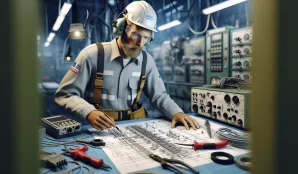
A signaling engineer primarily works with planning, installation, operation, and maintenance of signaling systems, often within railways, subways, or other critical infrastructure. Tasks include troubleshooting, programming, testing safety and control systems, as well as documentation and quality assurance of technical work. Signal installations must operate flawlessly around the clock, which means signaling engineers often work in shifts and sometimes under time pressure during emergency outages. The work environment is technically advanced, involving both fieldwork and control room operations, requiring precision, teamwork, and a high safety mindset.
Read more ->
A Sidgrafiker works on creating and editing graphic originals for printed and digital publications. Tasks include layout, typography, color management, image editing, and adapting materials to various formats, often in close collaboration with editors, printers, and other creative professionals. The work is typically performed in computer-based design environments and requires good knowledge of graphic software such as Adobe InDesign, Photoshop, and Illustrator. Sidgrafiker are mainly employed in media companies, advertising agencies, print shops, and publishing houses, where the pace is often high and deadlines dictate the workday.
Read more ->
A Shippingman works on planning, coordinating, and monitoring the transportation of goods by sea, often in close collaboration with shipping companies, freight forwarders, and ports. Tasks include booking freight, preparing shipping documents, contacting clients and authorities, as well as handling customs and insurance matters. The role requires good organizational skills, precision, and the ability to manage multiple processes under time pressure. The work environment is primarily office-based but may also involve visits to ports or ships, especially during larger deliveries or problem-solving situations. The pace is often fast, with work characterized by deadlines and the need for quick solutions to unforeseen events.
Read more ->
An SFI teacher works with instructing adults studying Swedish for immigrants (SFI). Tasks include planning and conducting lessons, assessing language skills, and tailoring teaching to students' needs and backgrounds. The role also involves collaborating with colleagues and student support functions, documenting progress, and participating in pedagogical development initiatives. SFI teachers mainly work within municipal adult education but can also be found with private providers. The work environment is characterized by diversity, high engagement, and demands for both structure and flexibility.
Read more ->
A waitress is responsible for providing guests with a positive experience during their restaurant visit by taking orders, serving food and drinks, and offering service with a professional attitude. The profession requires good communication skills, the ability to work quickly and efficiently, and to handle stressful situations, especially during busy periods. The work environment is often fast-paced and varied, with both day and evening shifts, sometimes including weekends. Waitresses primarily work in restaurants, cafes, hotels, and event venues, where teamwork and flexibility are central.
Read more ->