News and articles
- Home
- Articles






Latest posts
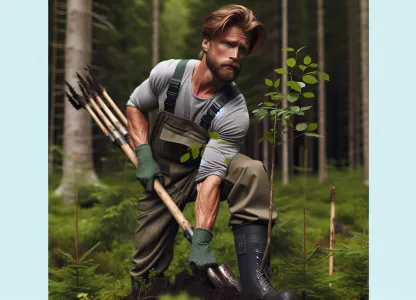
A forestry worker specializing in planting is primarily responsible for planting new seedlings, often on clear-cut areas or in regions where reforestation is needed. The work involves carrying seedlings, using planting tubes or shovels, and ensuring each plant has the right conditions to grow. The work environment is predominantly outdoor and often physically demanding, with varying weather conditions and terrain. Planting forestry workers usually work seasonally, mainly during spring and early summer, and sometimes collaborate in small teams to cover larger areas efficiently.
Read more ->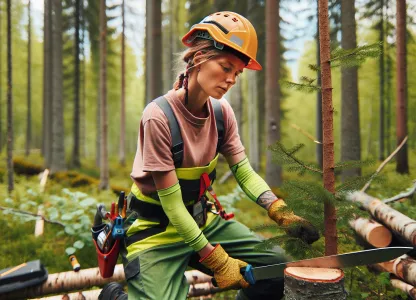
A forestry worker with broad skills performs various tasks within the forestry industry. Common tasks include planting forest seedlings, clearing, thinning, harvesting, manual or machine-based forest management, and simple nature conservation efforts. The work environment is often outdoors under changing weather conditions, sometimes in difficult terrain. Physical endurance and good familiarity with working with machines and tools are central prerequisites. The work pace may vary depending on the season, with higher intensity during planting and thinning periods.
Read more ->-

Opinion Landscape: Novus February 2026 – Social Democrats Still Largest
Thu, 19 Feb 2026 - 01:35 -

Policy rate remains at 1.75% – Riksbank signals stability
Thu, 29 Jan 2026 - 14:02


A shoe salesperson mainly works in specialty retail stores selling shoes to private individuals and sometimes to companies. Tasks include customer service, advising on fit and materials, handling cash registers, restocking, and product display in the store environment. The job often also involves keeping the stock organized, receiving deliveries, and sometimes managing simple marketing efforts within the store. The work is usually conducted in a retail space and involves periods of standing and walking, often with varying working hours that include evenings and weekends.
Read more ->
A shoe designer is responsible for designing and developing shoes for various purposes, from fashion and sports to functional work and leisure shoes. The profession involves combining aesthetic skills with technical understanding of materials, manufacturing processes, and ergonomics. The work environment varies between design studios, prototype workshops, and sometimes factories where new models are tested. The shoe designer often collaborates with other designers, buyers, manufacturers, and sometimes marketers throughout the process from idea to finished product.
Read more ->
A Skoavsynare works with inspecting the quality of shoes within the textile, leather, and hide industries. The profession involves careful examination of finished products to ensure they meet company and customer requirements for appearance, fit, and durability. Tasks often include visual inspections, testing materials and seams, and documenting any faults or deviations. The work is usually carried out in a factory environment or at production lines, requiring good eyesight and attention to detail. Skoavsynare collaborate closely with machine operators, production technicians, and sometimes designers, which demands both technical understanding and communication skills.
Read more ->
Skoarbetare mainly work with the manufacturing and repair of shoes, boots, and other leather goods. The profession includes tasks such as pattern construction, cutting materials, sewing and assembly, as well as working with specialized machines to shape and join different parts. The work requires both craftsmanship skills and technical knowledge, as many steps are performed by hand while others are done with machines. The work environment can vary from small workshops to larger industrial facilities, often with standing work and noisy conditions. Precision, resilience, and attention to detail are essential qualities for success in the profession.
Read more ->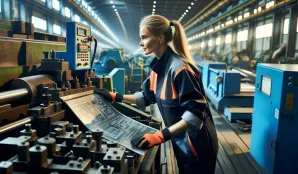
A Skivställare works within the steel and metal industry and is responsible for handling, positioning, and changing plates or tools in various machines and production lines. Tasks often include preparing materials, monitoring machines during operation, performing basic maintenance, and ensuring smooth production flow. The work typically takes place in industrial environments where safety procedures are central, and both physical and technical skills are important. Skivställare often collaborate with other operators and technicians to optimize production and troubleshoot minor issues that may arise during the process.
Read more ->
A leather tanner primarily works with treating and dyeing leather, skins, and sometimes textiles on an industrial scale. Tasks include preparing materials, monitoring machines for dyeing and processing, and checking that the final product meets quality standards. The process can be chemically demanding and requires precision to ensure colors and properties meet specifications. The work environment is often factory-like, with elements of noise, humidity, and strong odors, and shift work is common. Safety routines regarding chemical handling are central to maintaining a safe workplace.
Read more ->
A Skiktträarbetare mainly works within the wood industry with the production and processing of laminated veneer lumber, plywood, and other wood-based materials. The profession involves monitoring and controlling machines that press, glue, and shape wood panels into finished products. The work is often carried out in industrial environments where precision and safety are crucial. Skiktträarbetare collaborate closely with other operators and technicians to ensure high-quality production that complies with standards and safety regulations.
Read more ->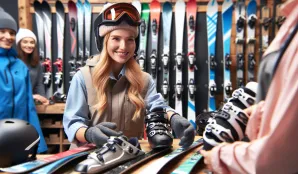
A ski rental worker is responsible for renting out ski equipment to individuals and groups, often at ski resorts or near winter sports facilities. Tasks include receiving and serving customers, customizing and adjusting equipment to individual needs, performing simple repairs, and ensuring all equipment is safe and in good condition. The work environment is characterized by a fast pace during peak season, customer interaction, and varying workplaces – from small rental stations to larger sports stores and facilities. During winter months, the work can be physically demanding and often involves shift work, including evenings and weekends.
Read more ->