- Salary statistics
- Turbine fitter, installation, repair salary
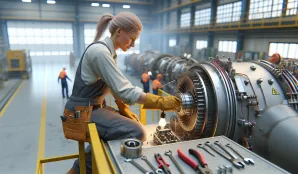
Turbine fitter, installation, repair salary
Latest available salary statistics are for 2025. Compare average pay, salary range and related job listings.
32 600 - 44 400 SEK / month
Women earn 95% of what men do.
Installation & drift/underhåll
Related tools
Salary progression Turbine fitter, installation, repair
What does a turbine fitter do – tasks and work environment
A turbine fitter works with the installation, repair, and maintenance of turbines in, for example, power plants, process industries, and maritime operations. Tasks include assembling, adjusting, and testing turbine components, as well as troubleshooting and fixing mechanical problems. The work is often carried out in teams with other specialists, where precision and safety are crucial. The work environment is typically technically advanced and may involve working at heights, in confined spaces, or in noisy industrial settings. Flexibility and attention to detail are key qualities for success, as tasks can range from planned maintenance to urgent repairs.
Salary development over time
The salary for turbine fitters in installation and repair has shown steady growth over the past three years. In 2022, the average salary was 36,500 SEK per month, increasing to 39 400 SEK in 2023. By 2024, the average has risen further to 40 500 SEK. The total increase over the period is approximately 8%, which is slightly above the average for similar technical professions. This positive trend can be partly explained by stable demand for skilled fitters in the energy sector and industry, as well as increased requirements for technical competence. The shortage of experienced specialists has likely contributed to rising wages.
Many turbine fitters have opportunities to work internationally, especially on large industrial projects and ships. This global mobility makes the profession particularly attractive for those seeking variety and development in their careers.
Turbine fitter salary – complete overview
- Average salary: 40 500 SEK/month
- Lowest salary: 25,600 SEK/month (female, municipal sector)
- Highest salary: 41,000 SEK/month (male, private sector, post-secondary education of 3 years or more)
- Hourly wage: 237 SEK/hour
- Men's average salary: 40 600 SEK/month
- Women's average salary: 38 700 SEK/month
- Women earn: 95% of what men do
Education and qualifications
To work as a turbine fitter, a high school vocational education in industry, electrical, or energy technology is usually required. Many employers also seek post-secondary studies or certifications in mechanical engineering and maintenance, especially for more advanced installations and repairs. Practical experience from industry is highly valued, and internal training or trainee programs are often offered to build further skills.
- High school education: Industrial technology programs, electrical and energy programs (3 years)
- Post-secondary education: Vocational college in mechanical engineering or maintenance (1–2 years)
- Certifications: SSG, hot work, crane and forklift licenses
- Practical training: Apprenticeship or trainee program at industrial companies
- Prerequisites: Good knowledge of technology and mathematics, preferably experience with mechanical work
Common benefits and compensations
Turbine fitters are often offered benefits such as overtime pay, additional pay for night shifts, wellness allowances, work clothing, and sometimes training support. When working in other locations, per diems or travel allowances may be included. In some cases, further education and skill development are part of employment conditions.
Competition and challenges
The competition for positions as a turbine fitter is considered moderate, with 479 available jobs in the profession according to the latest data. The job market is characterized by balance, and demand is expected to remain unchanged over the next five years, according to the Swedish Public Employment Service. One of the main challenges is staying updated on new technology and digitalization, as modern turbine systems are becoming increasingly advanced. At the same time, the work environment can be physically demanding and involve travel or shift work, which requires flexibility and endurance.
Tips for those wanting to become a turbine fitter in installation and repair
To succeed as a turbine fitter, it is helpful to have a technical interest and analytical skills, as troubleshooting and problem-solving are central to the work. Being precise and detail-oriented aids in assembly and inspection of machine parts. Flexibility and teamwork skills are important, as tasks are often performed in teams and sometimes under time pressure. Showing initiative and a willingness to continuously develop your skills, especially in new technology and safety routines, is also valuable. Physical endurance and stress resilience facilitate work in tough environments. Building a network within the industry and taking advantage of internships or further training can provide advantages in the job market.
Key facts about a turbine fitter in installation and repair
- Education level: High school diploma or vocational college
- Work environment: Industry, power plants, ships, often physically demanding
- Work type: Shift work and travel are common
- Demand: Moderate, 479 available jobs in the profession
- Special skills: Mechanical engineering, electrical safety, certifications
Career paths and future prospects
After three to five years in the profession as a turbine fitter, there are good opportunities to move on to more specialized roles, such as supervisor, technical specialist, or maintenance planner. Some choose to further their education in automation or project management to work on larger industrial projects. According to the Swedish Public Employment Service’s forecast for maintenance mechanics and machine repairers, demand for the profession is expected to remain unchanged over the next five years. However, technological development and increased automation place higher demands on skills development, making those who invest in further training and certifications more competitive in the job market.
Frequently asked questions about a turbine fitter in installation and repair
- What does a turbine fitter earn in installation and repair?
- The average salary is 40 500 SEK per month, with some variation depending on experience, sector, and education. - Are there salary differences between men and women?
- Yes, men earn on average 40 600 SEK and women 38 700 SEK, which means women earn 95% of what men do in the profession. - What education is required to become a turbine fitter?
- Typically, a high school education in industry, electrical, or energy technology, often supplemented with certifications or vocational training. - What are the future prospects for the profession?
- The forecast indicates demand will remain unchanged over the next five years, with continued need for qualified fitters in the industry. - What work environments are common?
- Work is often performed in industrial environments, at power plants or ships, and may involve shift work and travel. - What is the highest and lowest salary in the profession?
- The highest salary is 41,000 SEK (male, private sector, post-secondary education) and the lowest is 25,600 SEK (female, municipal sector). - What benefits are usually offered?
- Common benefits include overtime pay, additional pay for night shifts, wellness allowances, work clothing, and sometimes training support.

Salary distributed by age and sector
| Age | Base salary | Monthly salary | |
|---|---|---|---|
| 18-24 | 101% | 33200 kr | 35800 kr |
| 25-34 | 95% | 36600 kr | 39200 kr |
| 35-44 | 94% | 38400 kr | 41000 kr |
| 45-54 | 98% | 39500 kr | 41800 kr |
| 55-64 | 97% | 39200 kr | 41200 kr |
| 65-68 | 38200 kr | 39600 kr | |
| Snitt | 95% | 38100 kr | 40500 kr |
| Age | Base salary | Monthly salary | |
|---|---|---|---|
| 18-24 | 99% | 28300 kr | 28800 kr |
| 25-34 | 105% | 33600 kr | 34800 kr |
| 35-44 | 105% | 35900 kr | 36800 kr |
| 45-54 | 97% | 36500 kr | 37200 kr |
| 55-64 | 103% | 36500 kr | 37300 kr |
| 65-68 | 36700 kr | 37000 kr | |
| Snitt | 100% | 35800 kr | 36600 kr |
| Age | Base salary | Monthly salary | |
|---|---|---|---|
| 18-24 | 32200 kr | 32200 kr | |
| 25-34 | 33800 kr | 34600 kr | |
| 35-44 | 35500 kr | 36400 kr | |
| 45-54 | 35700 kr | 35900 kr | |
| 55-64 | 36200 kr | 37100 kr | |
| 65-68 | 36200 kr | 36200 kr | |
| Snitt | 101% | 35500 kr | 36100 kr |
| Age | Base salary | Monthly salary | |
|---|---|---|---|
| 18-24 | 26400 kr | 27500 kr | |
| 25-34 | 107% | 33100 kr | 34900 kr |
| 35-44 | 110% | 36200 kr | 37100 kr |
| 45-54 | 105% | 37000 kr | 37700 kr |
| 55-64 | 99% | 36200 kr | 36700 kr |
| 65-68 | 36900 kr | 37300 kr | |
| Snitt | 104% | 35800 kr | 36600 kr |
| Age | Base salary | Monthly salary | |
|---|---|---|---|
| 18-24 | 26000 kr | 26200 kr | |
| 25-34 | 34600 kr | 35400 kr | |
| 35-44 | 34600 kr | 36500 kr | |
| 45-54 | 36700 kr | 38200 kr | |
| 55-64 | 37600 kr | 38800 kr | |
| 65-68 | 36800 kr | 36800 kr | |
| Snitt | 86% | 36200 kr | 37500 kr |
| Age | Base salary | Monthly salary | |
|---|---|---|---|
| 18-24 | 101% | 33300 kr | 35900 kr |
| 25-34 | 95% | 36700 kr | 39300 kr |
| 35-44 | 94% | 38400 kr | 41100 kr |
| 45-54 | 98% | 39500 kr | 41900 kr |
| 55-64 | 96% | 39200 kr | 41300 kr |
| 65-68 | 38200 kr | 39700 kr | |
| Snitt | 95% | 38200 kr | 40600 kr |
| Age | Base salary | Monthly salary | |
|---|---|---|---|
| 18-24 | 101% | 33300 kr | 35900 kr |
| 25-34 | 95% | 36700 kr | 39300 kr |
| 35-44 | 94% | 38400 kr | 41100 kr |
| 45-54 | 98% | 39500 kr | 41900 kr |
| 55-64 | 96% | 39200 kr | 41300 kr |
| 65-68 | 38200 kr | 39700 kr | |
| Snitt | 95% | 38200 kr | 40600 kr |
| Age | Base salary | Monthly salary | |
|---|---|---|---|
| 18-24 | 101% | 33100 kr | 35800 kr |
| 25-34 | 95% | 36700 kr | 39400 kr |
| 35-44 | 94% | 38500 kr | 41100 kr |
| 45-54 | 98% | 39500 kr | 41800 kr |
| 55-64 | 97% | 39200 kr | 41300 kr |
| 65-68 | 38200 kr | 39700 kr | |
| Snitt | 95% | 38200 kr | 40600 kr |
| Age | Base salary | Monthly salary | |
|---|---|---|---|
| 18-24 | 99% | 28500 kr | 28900 kr |
| 25-34 | 105% | 33500 kr | 34600 kr |
| 35-44 | 105% | 35700 kr | 36700 kr |
| 45-54 | 97% | 36600 kr | 37300 kr |
| 55-64 | 103% | 36500 kr | 37200 kr |
| 65-68 | 36600 kr | 36900 kr | |
| Snitt | 100% | 35800 kr | 36600 kr |
| Age | Base salary | Monthly salary | |
|---|---|---|---|
| 18-24 | 32200 kr | 32200 kr | |
| 25-34 | 33900 kr | 34600 kr | |
| 35-44 | 35500 kr | 36200 kr | |
| 45-54 | 35900 kr | 36100 kr | |
| 55-64 | 36200 kr | 37000 kr | |
| 65-68 | 36200 kr | 36200 kr | |
| Snitt | 101% | 35600 kr | 36100 kr |
| Age | Base salary | Monthly salary | |
|---|---|---|---|
| 18-24 | 26800 kr | 27600 kr | |
| 25-34 | 107% | 32700 kr | 34300 kr |
| 35-44 | 110% | 35700 kr | 36700 kr |
| 45-54 | 105% | 36900 kr | 37500 kr |
| 55-64 | 99% | 36200 kr | 36700 kr |
| 65-68 | 36800 kr | 37300 kr | |
| Snitt | 104% | 35700 kr | 36500 kr |
| Age | Base salary | Monthly salary | |
|---|---|---|---|
| 18-24 | 26200 kr | 26200 kr | |
| 25-34 | 34600 kr | 35400 kr | |
| 35-44 | 36800 kr | 39100 kr | |
| 45-54 | 37000 kr | 38600 kr | |
| 55-64 | 37600 kr | 38700 kr | |
| 65-68 | 36800 kr | 36800 kr | |
| Snitt | 86% | 36600 kr | 37800 kr |
| Age | Base salary | Monthly salary | |
|---|---|---|---|
| 18-24 | 101% | 33200 kr | 35800 kr |
| 25-34 | 95% | 36800 kr | 39400 kr |
| 35-44 | 94% | 38500 kr | 41200 kr |
| 45-54 | 98% | 39500 kr | 41900 kr |
| 55-64 | 96% | 39300 kr | 41400 kr |
| 65-68 | 38300 kr | 39800 kr | |
| Snitt | 95% | 38200 kr | 40700 kr |
| Age | Base salary | Monthly salary | |
|---|---|---|---|
| 18-24 | 101% | 33200 kr | 35800 kr |
| 25-34 | 95% | 36800 kr | 39400 kr |
| 35-44 | 94% | 38500 kr | 41200 kr |
| 45-54 | 98% | 39500 kr | 41900 kr |
| 55-64 | 96% | 39300 kr | 41400 kr |
| 65-68 | 38300 kr | 39800 kr | |
| Snitt | 95% | 38200 kr | 40700 kr |
| Age | Base salary | Monthly salary | |
|---|---|---|---|
| 18-24 | 101% | 33800 kr | 36100 kr |
| 25-34 | 95% | 35500 kr | 37400 kr |
| 35-44 | 94% | 36800 kr | 38800 kr |
| 45-54 | 98% | 39000 kr | 40900 kr |
| 55-64 | 97% | 38300 kr | 39900 kr |
| Snitt | 95% | 36800 kr | 38700 kr |
| Age | Base salary | Monthly salary | |
|---|---|---|---|
| 18-24 | 99% | 27200 kr | 28500 kr |
| 25-34 | 105% | 34300 kr | 36300 kr |
| 35-44 | 105% | 37500 kr | 38500 kr |
| 45-54 | 97% | 35600 kr | 36200 kr |
| 55-64 | 103% | 36500 kr | 38400 kr |
| Snitt | 100% | 35500 kr | 36700 kr |
| Age | Base salary | Monthly salary | |
|---|---|---|---|
| Snitt | 101% | 33700 kr | 36600 kr |
| Age | Base salary | Monthly salary | |
|---|---|---|---|
| 25-34 | 107% | 34600 kr | 36600 kr |
| 35-44 | 110% | 40400 kr | 40400 kr |
| 45-54 | 105% | 38700 kr | 39500 kr |
| 55-64 | 99% | 36300 kr | 36300 kr |
| Snitt | 104% | 37000 kr | 37800 kr |
| Age | Base salary | Monthly salary | |
|---|---|---|---|
| Snitt | 86% | 31300 kr | 32600 kr |
| Age | Base salary | Monthly salary | |
|---|---|---|---|
| 18-24 | 101% | 33900 kr | 36200 kr |
| 25-34 | 95% | 35500 kr | 37400 kr |
| 35-44 | 94% | 36800 kr | 38800 kr |
| 45-54 | 98% | 39100 kr | 41100 kr |
| 55-64 | 96% | 38400 kr | 39900 kr |
| Snitt | 95% | 36800 kr | 38700 kr |
| Age | Base salary | Monthly salary | |
|---|---|---|---|
| 18-24 | 101% | 33900 kr | 36200 kr |
| 25-34 | 95% | 35500 kr | 37400 kr |
| 35-44 | 94% | 36800 kr | 38800 kr |
| 45-54 | 98% | 39100 kr | 41100 kr |
| 55-64 | 96% | 38400 kr | 39900 kr |
| Snitt | 95% | 36800 kr | 38700 kr |

About the data
All information displayed on this page is based on data from the Swedish Central Bureau of Statistics (SCB), the Swedish Tax Agency and the Swedish employment agency. Learn more about our data and data sources here.
All figures are gross salaries, meaning salaries before tax. The average salary, or mean salary, is calculated by adding up the total salary for all individuals within the profession and dividing it by the number of individuals. For specific job categories, we have also considered various criteria such as experience and education.
Profession Turbine fitter, installation, repair has the SSYK code 7233, which we use to match against the SCB database to obtain the latest salary statistics.
-

Mechanic for Maintenance Department at Skövde Factory
Maintenance mechanics and machine repairers
Mon, 13 Jul 2026 - 23:53 -
Line Technician in Uppsala – Practical work with technology and problem-solving
Maintenance mechanics and machine repairers
Mon, 13 Jul 2026 - 21:44 -

Train Mechanic for On-Demand Employment in Malmö
Maintenance mechanics and machine repairers
Mon, 13 Jul 2026 - 21:42 -

Service Technician for Luleå Bandtransport och Miljöservice AB (LBM)
Maintenance mechanics and machine repairers
Mon, 13 Jul 2026 - 21:41 -

Service Technician at Battenfeld Sweden – Plastics and Rubber Industry
Maintenance mechanics and machine repairers
Mon, 13 Jul 2026 - 20:57
Compare salary, work tasks and job outlook in adjacent occupations to find roles with similar skills or pay levels.
-

Average salary: 40 200 SEK/month • Installation & drift/underhåll
Electronics repair and communication electricians etc.
Compare with Turbine fitter, installation, repair
Tue, 14 Jul 2026 - 09:18 -
Average salary: 39 300 SEK/month • Installation & drift/underhåll
Process supervisors, metal production
Compare with Turbine fitter, installation, repair
Mon, 13 Jul 2026 - 21:29 -

Process operator, pharmaceuticals salary
Average salary: 41 200 SEK/month • Installation & drift/underhåll
Process supervisors, chemical industry
Compare with Turbine fitter, installation, repair
Tue, 14 Jul 2026 - 09:43 -

High current electrician salary
Average salary: 39 600 SEK/month • Installation & drift/underhåll
Installation and service electricians
Compare with Turbine fitter, installation, repair
Mon, 13 Jul 2026 - 20:03 -

Average salary: 35 500 SEK/month • Installation & drift/underhåll
Motor vehicle mechanics and repairers
Compare with Turbine fitter, installation, repair
Tue, 14 Jul 2026 - 08:16 -

Department technician, caretaker salary
Average salary: 30 900 SEK/month • Installation & drift/underhåll
Janitors etc.
Compare with Turbine fitter, installation, repair
Tue, 14 Jul 2026 - 04:56


