- Salary statistics
- Cartoonist salary
Cartoonist salary
Latest available salary statistics are for 2025. Compare average pay, salary range and related job listings.
43 692 - 41 986 SEK / month
Kultur, media, design
Related tools
Salary progression Cartoonist
What does a comic artist do? – Tasks and working environment
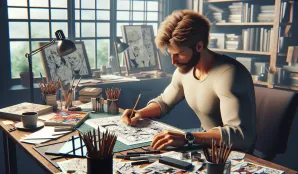
A comic artist works on creating comics in the form of illustrated stories and image sequences, often for publication in newspapers, books, websites, or digital platforms. Tasks include developing scripts and dialogue, as well as illustrating and finalizing comic panels using both traditional techniques and digital tools. Many comic artists are freelancers and manage their own schedules, but some may be employed by publishers or media companies. The working environment is usually calm and creative, often working alone at a drawing table or computer, but collaboration with editors, writers, or other artists also occurs.
Salary development over time
The salary for comic artists has shown stable and positive growth in recent years. In 2022, the average salary was 36,200 SEK per month. The following year, 2023, the average salary increased to 39 779 SEK, representing an increase of about 6%. In 2024, the average salary continued upward to 41 986 SEK per month, a growth of just over 3.6% from the previous year. This salary trend reflects a growing demand for creative professions and increased visibility of comic art in both digital and print media. Despite being a niche profession, opportunities for comic artists have improved, especially thanks to new distribution channels and collaborations within the cultural and media sectors.
Comic artist salary – comprehensive overview
- Average salary: 41 986 SEK/month
- Lowest/Highest salary: Data not available
- Hourly wage: 239 SEK
- Gender differences: Data not available
- Regional differences: Data not available
Education and qualifications
The path to becoming a comic artist varies, but a combination of artistic education, technical skills, and personal development is central. Formal education includes programs in fine arts and graphic design, but many in the profession are self-taught or have supplemented their education with courses in comic drawing and digital illustration. Internships and portfolio work are important for establishing oneself and showcasing skills. Creativity and strong storytelling are crucial for success as a comic artist.
- Artistic university education: 2–4 years, e.g., fine arts and graphic design
- Shorter courses and training: Comic drawing, illustration, digital tools
- Internships and portfolio: Practical experience and a strong portfolio are essential
- Self-study and online courses: Common for developing techniques and style
- Prerequisites: Creativity, drawing skills, and storytelling ability
Many comic artists combine their creation with lectures, workshops, or collaborations with schools to broaden their work opportunities and inspire new generations of artists.
Common benefits and compensations
Comic artists can receive varying benefits depending on their employment type. Freelancers often have flexible working hours and the option to work from home, while employees may be offered pension contributions, health insurance, and educational support. Royalties and compensation for original works are also common in the industry.
Competition and challenges
The profession of comic artist is characterized by high competition, especially since many work as freelancers and need to build their own networks and client base. Establishing oneself can take time and requires patience and a distinctive style to stand out in the market. Digitalization and accessible publishing platforms make it easier to reach audiences but also increase competition both nationally and internationally. Inconsistent income and project-based work can also be challenging for many in the field.
Tips for aspiring comic artists
To succeed as a comic artist, perseverance and determination are important, as recognition often requires both time and hard work. Having a strong creative streak and the ability to think visually help create expressive and engaging comics. It is also important to be self-driven and proactive, as many assignments require discipline and the ability to work towards deadlines without constant supervision. Building a portfolio and being active on digital platforms increase chances of exposure and getting commissions. Networking and collaboration with other creatives can open new opportunities, while flexibility and adaptability are needed to meet different project requirements. Ultimately, continuous development of technical skills and storytelling ability is essential to stay relevant and attractive in the job market.
Key facts about comic artists
- Educational level: Usually artistic university education or equivalent
- Work environment: Often freelance and flexible, working from home is common
- Work form: Most work as self-employed or on a project basis
- Demand: Approximately 620 available jobs within the profession of visual artists
- Special skills: Storytelling, digital illustration, and creativity
Career paths and future prospects
After three to five years in the profession, many comic artists have broadened their skills and can undertake larger or more advanced projects, such as longer comic books, international collaborations, or roles as scriptwriters and illustrators in other media productions. Some move on to teaching, conducting workshops, or working in artistic leadership within publishing. According to the Swedish Public Employment Service's forecast for the visual artists profession, no specific assessment is made for comic artists due to limited data, but there are signs of continued demand within culture, media, and design sectors. The development of digital platforms and increased visibility of comic art contribute to new opportunities for established and emerging comic artists.
Frequently asked questions about comic artists
- What does a comic artist earn?
- A comic artist has an average salary of 41 986 SEK per month according to current statistics. - How do you become a comic artist?
- The most common path is to pursue an artistic education and build a portfolio, but many are also self-taught and combine various courses and internships. - Are there permanent jobs as a comic artist?
- Most work as freelancers or self-employed, but there are also positions within publishers and media companies. - What does the job market look like for comic artists?
- The job market is competitive, but there are about 620 available positions within the visual arts profession. - What benefits are common for comic artists?
- Common benefits include flexible working hours, royalty agreements, and the option to work from home. - What qualities are important for a comic artist?
- Creativity, self-discipline, storytelling ability, and technical skills are key qualities.

Salary distributed by age and sector

About the data
All information displayed on this page is based on data from the Swedish Central Bureau of Statistics (SCB), the Swedish Tax Agency and the Swedish employment agency. Learn more about our data and data sources here.
All figures are gross salaries, meaning salaries before tax. The average salary, or mean salary, is calculated by adding up the total salary for all individuals within the profession and dividing it by the number of individuals. For specific job categories, we have also considered various criteria such as experience and education.
Profession Cartoonist has the SSYK code 2651, which we use to match against the SCB database to obtain the latest salary statistics.


Compare salary, work tasks and job outlook in adjacent occupations to find roles with similar skills or pay levels.
-

Average salary: 42 300 SEK/month • Kultur, media, design
Image and broadcast technicians
Compare with Cartoonist
Tue, 14 Jul 2026 - 16:17 -
Average salary: 41 986 SEK/month • Kultur, media, design
Visual artists etc.
Compare with Cartoonist
Tue, 14 Jul 2026 - 16:31 -

Average salary: 47 400 SEK/month • Kultur, media, design
Musicians, singers and composers
Compare with Cartoonist
Tue, 14 Jul 2026 - 19:02 -

Average salary: 39 900 SEK/month • Kultur, media, design
Interior designers, decorators and scenographers etc.
Compare with Cartoonist
Tue, 14 Jul 2026 - 10:07 -

Average salary: 38 900 SEK/month • Kultur, media, design
Librarians and archivists
Compare with Cartoonist
Tue, 14 Jul 2026 - 10:06 -

Average salary: 38 500 SEK/month • Kultur, media, design
Photographers
Compare with Cartoonist
Tue, 14 Jul 2026 - 14:13


