- Salary statistics
- Sound assistant salary
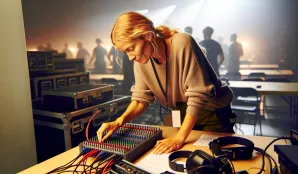
Sound assistant salary
Latest available salary statistics are for 2025. Compare average pay, salary range and related job listings.
37 700 - 43 000 SEK / month
Women earn 94% of what men do.
Kultur, media, design
Related tools
Salary progression Sound assistant
What does a sound assistant do? – Tasks and work environment
A sound assistant works closely with sound engineers and other media professionals to ensure high sound quality during live events, TV productions, concerts, and theater performances. Tasks include rigging and testing microphones, cables, and audio equipment, as well as assisting with sound mixing and troubleshooting during production. Quick problem-solving and good communication skills are often required to collaborate with colleagues in lighting, staging, and production. The work environment is varied and can involve indoor and outdoor work, often under time pressure and sometimes during inconvenient hours, including evenings and weekends.
Salary development over time
The salary for a sound assistant has increased significantly over recent years. In 2022, the average salary was 35,100 SEK per month, rising to 38 600 SEK in 2023. In 2024, the average salary is 39 700 SEK, representing an increase of approximately 10% over the three-year period. This positive salary trend is mainly driven by increased demand for technical skills in the culture and media sectors, where digitalization and hybrid productions demand higher sound quality. Salary increases also reflect competition for experienced sound assistants, especially in larger cities and major events where technical expertise is highly valued. Despite rising salary levels, some differences between genders and regions remain.
Sound assistant salary – comprehensive overview
- Average salary: 39 700 SEK/month
- Lowest salary: 33,600 SEK/month (women), 36,100 SEK/month (men)
- Highest salary: 40,300 SEK/month (women), 43,700 SEK/month (men)
- Hourly wage (average): 232 SEK/hour
- Gender difference: Women earn 94% of what men do (37 800 SEK vs 40 000 SEK)
- Regional differences: Salary levels can vary, especially between big cities and rural areas
Education and qualifications
To work as a sound assistant, a post-secondary education in sound engineering or media technology is usually required, often at vocational college or folk high school. Practical experience from productions and events is highly meritorious, and many supplement their education with certifications or short courses in sound engineering. The industry values technical understanding, problem-solving ability, and teamwork skills.
- Formal education: Vocational college or folk high school, typically 1–2 years
- Certifications: Courses in sound engineering, digital audio systems, and safety
- Internships: Internships or trainee positions are common
- Prerequisites: Basic knowledge of sound engineering and electronics
- Self-study: Online courses and personal experience from events are valuable
Sound assistants often get the opportunity to work behind the scenes at major events, concerts, and TV productions, providing a unique insight into the creative process and building a broad network in the industry.
Common benefits and compensations
In addition to base salary, overtime pay is often provided for work during evenings, nights, and weekends. Many employers also offer wellness allowances, insurance, and opportunities for further training. For longer productions or tours, per diems and travel reimbursements may be included, and sometimes industry-specific benefits such as discounts on equipment or technology are available.
Competition and challenges
Competition for positions as a sound assistant is intense, especially in larger cities where many seek careers in the culture and media industry. The field is characterized by seasonal variations and project-based employment, which can lead to periods of insecurity. Technological innovations and rapid development demand continuous skill upgrading and adaptability. Additionally, the physically demanding work environment and irregular hours can be challenging for many. Despite this, the profession attracts those who enjoy creative work and being part of exciting productions.
Tips for aspiring sound assistants
To succeed as a sound assistant, curiosity and a genuine interest in technology are important. Precision is crucial, especially when installing and troubleshooting equipment. Flexibility and resilience under pressure during productions are advantageous, as workdays are often unpredictable with quick schedule changes. Teamwork skills are essential since the work is done in teams with other technicians and production staff. Building a strong network through internships and freelance assignments opens more opportunities. Continual education in new sound systems and software is recommended to stay ahead. Finally, demonstrating responsibility and engagement often leads to more and better assignments.
Key facts about the Sound Assistant profession
- Educational level: Post-secondary education, often 1–2 years
- Work environment: Varied, often events and productions
- Employment type: Project-based and freelance work are common
- Demand: Approximately 620 job openings in the profession
- Special skills: Sound engineering, troubleshooting, teamwork
Career paths and future outlook
After three to five years in the profession, many sound assistants have opportunities to advance to roles such as sound engineer, sound designer, or project manager in production. Specialization in broadcasting, film, or larger live productions is also common. According to the Swedish Public Employment Service forecast, specific data for sound assistants is lacking, but the broader group of lighting, sound, and stage technicians shows continued demand, especially as technical requirements and digitalization increase. There are good job prospects, especially for those who are flexible and willing to work at various events or productions.
Frequently asked questions about the Sound Assistant profession
- What does a Sound Assistant earn?
- A sound assistant has an average salary of 39 700 SEK per month. - What are the salary differences between genders?
- Men earn on average 40 000 SEK and women 37 800 SEK per month, which means women earn 94% of men's salaries. - What education is required to become a sound assistant?
- Post-secondary education in sound engineering, often via vocational college or folk high school, along with practical experience. - Are there regional salary differences?
- Yes, salary levels can vary between major cities and rural areas. - What are the future prospects for sound assistants?
- There are about 620 job openings in the profession, but no exact forecast due to limited data. - What are the lowest and highest salaries for sound assistants?
- The lowest salary is 33,600 SEK and the highest 43,700 SEK per month, depending on gender, sector, and education level. - What personal qualities are important for the profession?
- Precision, flexibility, teamwork skills, and technical interest are especially valuable.

Salary distributed by age and sector
| Age | Base salary | Monthly salary | |
|---|---|---|---|
| 25-34 | 34800 kr | 35500 kr | |
| 35-44 | 37300 kr | 38100 kr | |
| 45-54 | 44000 kr | 45100 kr | |
| 55-64 | 43500 kr | 43900 kr | |
| Snitt | 94% | 38900 kr | 39700 kr |
| Age | Base salary | Monthly salary | |
|---|---|---|---|
| 25-34 | 36800 kr | 36800 kr | |
| 35-44 | 100% | 38800 kr | 39000 kr |
| 45-54 | 94% | 40000 kr | 40500 kr |
| 55-64 | 112% | 39800 kr | 40000 kr |
| Snitt | 100% | 39400 kr | 39700 kr |
| Age | Base salary | Monthly salary | |
|---|---|---|---|
| 25-34 | 36800 kr | 36800 kr | |
| 35-44 | 100% | 38800 kr | 39000 kr |
| 45-54 | 94% | 40000 kr | 40500 kr |
| 55-64 | 112% | 39800 kr | 40000 kr |
| Snitt | 100% | 39400 kr | 39700 kr |
| Age | Base salary | Monthly salary | |
|---|---|---|---|
| 25-34 | 34700 kr | 35400 kr | |
| 35-44 | 37300 kr | 38100 kr | |
| 45-54 | 44100 kr | 45300 kr | |
| 55-64 | 43700 kr | 44100 kr | |
| Snitt | 94% | 38900 kr | 39700 kr |
| Age | Base salary | Monthly salary | |
|---|---|---|---|
| 25-34 | 34700 kr | 35400 kr | |
| 35-44 | 37300 kr | 38100 kr | |
| 45-54 | 44100 kr | 45300 kr | |
| 55-64 | 43700 kr | 44100 kr | |
| Snitt | 94% | 38900 kr | 39700 kr |
| Age | Base salary | Monthly salary | |
|---|---|---|---|
| 25-34 | 34600 kr | 35300 kr | |
| 35-44 | 37100 kr | 37800 kr | |
| 45-54 | 44500 kr | 45700 kr | |
| 55-64 | 43500 kr | 43900 kr | |
| Snitt | 94% | 39200 kr | 40000 kr |
| Age | Base salary | Monthly salary | |
|---|---|---|---|
| 35-44 | 100% | 38800 kr | 39000 kr |
| 45-54 | 94% | 40200 kr | 40800 kr |
| 55-64 | 112% | 39300 kr | 39500 kr |
| Snitt | 100% | 39400 kr | 39800 kr |
| Age | Base salary | Monthly salary | |
|---|---|---|---|
| 35-44 | 100% | 38800 kr | 39000 kr |
| 45-54 | 94% | 40200 kr | 40800 kr |
| 55-64 | 112% | 39300 kr | 39500 kr |
| Snitt | 100% | 39400 kr | 39800 kr |
| Age | Base salary | Monthly salary | |
|---|---|---|---|
| 25-34 | 34600 kr | 35300 kr | |
| 35-44 | 37000 kr | 37800 kr | |
| 45-54 | 44700 kr | 45900 kr | |
| 55-64 | 43700 kr | 44200 kr | |
| Snitt | 94% | 39200 kr | 40000 kr |
| Age | Base salary | Monthly salary | |
|---|---|---|---|
| 25-34 | 34600 kr | 35300 kr | |
| 35-44 | 37000 kr | 37800 kr | |
| 45-54 | 44700 kr | 45900 kr | |
| 55-64 | 43700 kr | 44200 kr | |
| Snitt | 94% | 39200 kr | 40000 kr |
| Age | Base salary | Monthly salary | |
|---|---|---|---|
| Snitt | 94% | 37000 kr | 37800 kr |
| Age | Base salary | Monthly salary | |
|---|---|---|---|
| 25-34 | 36900 kr | 36900 kr | |
| 35-44 | 100% | 39000 kr | 39000 kr |
| 45-54 | 94% | 38400 kr | 38400 kr |
| 55-64 | 112% | 44400 kr | 44400 kr |
| Snitt | 100% | 39600 kr | 39600 kr |
| Age | Base salary | Monthly salary | |
|---|---|---|---|
| 25-34 | 36900 kr | 36900 kr | |
| 35-44 | 100% | 39000 kr | 39000 kr |
| 45-54 | 94% | 38400 kr | 38400 kr |
| 55-64 | 112% | 44400 kr | 44400 kr |
| Snitt | 100% | 39600 kr | 39600 kr |
| Age | Base salary | Monthly salary | |
|---|---|---|---|
| Snitt | 94% | 36900 kr | 37700 kr |
| Age | Base salary | Monthly salary | |
|---|---|---|---|
| Snitt | 94% | 36900 kr | 37700 kr |

About the data
All information displayed on this page is based on data from the Swedish Central Bureau of Statistics (SCB), the Swedish Tax Agency and the Swedish employment agency. Learn more about our data and data sources here.
All figures are gross salaries, meaning salaries before tax. The average salary, or mean salary, is calculated by adding up the total salary for all individuals within the profession and dividing it by the number of individuals. For specific job categories, we have also considered various criteria such as experience and education.
Profession Sound assistant has the SSYK code 3522, which we use to match against the SCB database to obtain the latest salary statistics.
-

Computing Technician - Audiovisual (AV) & Conference Infrastructure
Lighting, sound and stage technicians
Fri, 10 Jul 2026 - 22:27 -
AV Technician Wanted at Svensk Kulturfilm Konferensteknik
Lighting, sound and stage technicians
Thu, 9 Jul 2026 - 02:08 -

Technician for Audio & Video Team in Linköping
Lighting, sound and stage technicians
Thu, 9 Jul 2026 - 01:54 -

Exhibition Technician at Östergötland Museum
Lighting, sound and stage technicians
Fri, 3 Jul 2026 - 22:35 -

Stage Technician at Astrid Lindgren's World
Lighting, sound and stage technicians
Fri, 3 Jul 2026 - 01:52
Compare salary, work tasks and job outlook in adjacent occupations to find roles with similar skills or pay levels.
-

Average salary: 42 800 SEK/month • Kultur, media, design
Authors etc.
Compare with Sound assistant
Tue, 14 Jul 2026 - 22:01 -

Average salary: 37 300 SEK/month • Kultur, media, design
Actors
Compare with Sound assistant
Tue, 14 Jul 2026 - 11:56 -

Average salary: 41 986 SEK/month • Kultur, media, design
Choreographers and dancers
Compare with Sound assistant
Tue, 14 Jul 2026 - 17:17 -

Average salary: 42 300 SEK/month • Kultur, media, design
Image and broadcast technicians
Compare with Sound assistant
Tue, 14 Jul 2026 - 19:46 -

Average salary: 38 900 SEK/month • Kultur, media, design
Librarians and archivists
Compare with Sound assistant
Tue, 14 Jul 2026 - 09:20 -

Average salary: 39 700 SEK/month • Kultur, media, design
Lighting, sound and stage technicians
Compare with Sound assistant
Tue, 14 Jul 2026 - 23:16


