- Salary statistics
- Smoke divers salary
Smoke divers salary
Latest available salary statistics are for 2025. Compare average pay, salary range and related job listings.
29 500 - 41 700 SEK / month
Women earn 94% of what men do.
Säkerhetsarbete
Related tools
Salary progression Smoke divers
What does a smoke diver do? – Tasks and work environment
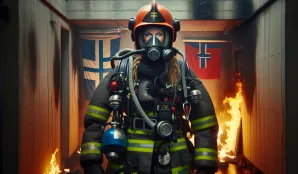
A smoke diver is a specialized firefighter trained and equipped to work in smoke-filled and hazardous environments, such as during fires in buildings or industrial sites. Tasks include rescuing people and animals, extinguishing fires, ventilating buildings, and handling dangerous substances. Smoke divers often work in teams and must make quick decisions under extreme pressure. The work environment is physically demanding, with high temperatures, limited visibility, and risk of exposure to toxic gases. Protective gear and strict safety routines are essential parts of daily work to minimize risks.
Salary development over time
The salary for smoke divers has shown stable and positive growth over the past three years. In 2022, the average salary was 36 400 SEK per month, increasing to 37 400 SEK in 2023 and further to 38 500 SEK in 2024. This represents a total increase of about 7% during the period. This development reflects increased demand for skilled firefighters and smoke divers, as well as higher costs for skill development and safety requirements. The salary increase has been slightly higher than the average wage growth in the public sector, possibly due to greater emphasis on work environment and conditions within rescue services. Despite this, gender pay gaps are evident, with women earning 94 % of men's salaries. Regional variations exist, with urban areas often offering slightly higher wages due to higher living costs and greater workload.
Smoke divers train regularly in simulated environments to handle extreme situations during actual rescues. Practical training is central, as every second can be crucial during a rescue operation.
Smoke diver salary – comprehensive overview
- Average salary: 38 500 SEK/month
- Lowest salary: 29,800 SEK/month (female, public sector, high school education)
- Highest salary: 41,300 SEK/month (male, private sector)
- Hourly wage (average): 225 SEK
- Gender pay gap: Women earn 94 % of men's salaries (36 400 SEK vs. 38 700 SEK)
- Regional differences: Higher wages in metropolitan areas, lower in smaller municipalities
Education and qualifications
To work as a smoke diver, completion of firefighter training and specialized smoke diver training is required, including both theoretical and practical components. The basic firefighter training is supplemented with certification for smoke diving, and employers often set high demands for physical and mental suitability. Internships and further training are common to maintain competence and safety.
- Full-time firefighter (SMO): Post-secondary education, approximately 2 years
- Certified smoke diver training: Mandatory course, often within employment
- Internship and physical suitability tests: Part of the recruitment process
- Annual refresher courses: To maintain certification and skills
- Prerequisites: Approved high school education and normal color vision
Common benefits and compensations
Smoke divers often have access to benefits such as shift and night work supplements, wellness allowances, extra vacation days, and occupational pension schemes. In some cases, compensation for call-outs, specialized training, and opportunities for skill development are offered. Protective clothing and personal equipment are always provided by the employer.
Competition and challenges
Competition for positions as a smoke diver varies between regions and municipalities, with larger cities often having more applicants per vacancy. The physical and mental demands are high, leading to natural screening during recruitment. Challenges include working under extreme pressure, making quick decisions, and managing risky situations without compromising safety. Changing requirements for work environment and technology also demand continuous training. Additionally, shift work and on-call duties can pose challenges for work-life balance.
Tips for aspiring smoke divers
To succeed as a smoke diver, combining physical strength with mental endurance and teamwork skills is important. Good physical condition and a strong willingness to train regularly are crucial, as the profession requires top fitness year-round. Resilience and the ability to stay calm under pressure are vital, as each rescue can be life-saving. Being communicative and attentive during collaboration with colleagues enhances safety for both the team and those being rescued. Flexibility and adaptability in changing working conditions are also key, along with a desire for continuous education and staying updated on new methods and safety routines. Finally, a genuine commitment to helping others is often the greatest motivation in this profession.
Key facts about Smoke Divers
- Average salary: 38 500 SEK/month
- Salary range: 29,800–41,300 SEK/month
- Education level: Post-secondary firefighter training + certified smoke diver training
- Work environment: Physically demanding, smoke- and heat-exposed environments
- Available jobs in the profession: 191
Career paths and future prospects
After gaining some experience as a smoke diver, there are opportunities to advance to supervisory roles such as team leader or incident commander within rescue services. Some choose to specialize further, for example in hazardous materials, training, or occupational safety. Forecasts from the Employment Service indicate that there is no complete assessment for the profession of smoke diver, but within the firefighter group, 191 job openings are reported, with stable demand, especially in larger cities and expanding regions. Future prospects are influenced by local budgets and societal changes, but competent and experienced smoke divers generally have good opportunities for continued employment and development.
Frequently asked questions about Smoke Divers
- What is the average salary of a smoke diver?
- A smoke diver has an average salary of 38 500 SEK per month. - What are the highest and lowest salaries for smoke divers?
- The highest salary is 41,300 SEK and the lowest is 29,800 SEK per month. - How does one become a smoke diver?
- By completing firefighter training (SMO) and certified smoke diver training, and passing physical and medical tests. - Is there a salary difference between men and women?
- Yes, women earn on average 94 % of what men do in the profession. - What are the most common tasks for a smoke diver?
- Rescue work in smoke-filled environments, fire extinguishing, ventilation, and handling hazardous substances. - What is the work environment like for smoke divers?
- The work environment is physically and psychologically demanding with high safety standards. - What are the future prospects for smoke divers?
- There are 191 job openings in the profession, but no precise forecast according to the Employment Service.

Salary distributed by age and sector
| Age | Base salary | Monthly salary | |
|---|---|---|---|
| 18-24 | 31300 kr | 33500 kr | |
| 25-34 | 100% | 35000 kr | 36000 kr |
| 35-44 | 96% | 37300 kr | 38100 kr |
| 45-54 | 39100 kr | 40100 kr | |
| 55-64 | 40300 kr | 41900 kr | |
| Snitt | 94% | 37500 kr | 38500 kr |
| Age | Base salary | Monthly salary | |
|---|---|---|---|
| 18-24 | 99% | 31300 kr | 33400 kr |
| 25-34 | 99% | 35000 kr | 35800 kr |
| 35-44 | 96% | 37300 kr | 38000 kr |
| 45-54 | 96% | 39200 kr | 40000 kr |
| 55-64 | 98% | 40400 kr | 41700 kr |
| 65-68 | 38700 kr | 42900 kr | |
| Snitt | 94% | 37500 kr | 38400 kr |
| Age | Base salary | Monthly salary | |
|---|---|---|---|
| 18-24 | 97% | 27000 kr | 29700 kr |
| 25-34 | 31200 kr | 34700 kr | |
| 35-44 | 32200 kr | 35000 kr | |
| 45-54 | 32500 kr | 34300 kr | |
| 55-64 | 34900 kr | 35000 kr | |
| Snitt | 93% | 30000 kr | 32800 kr |
| Age | Base salary | Monthly salary | |
|---|---|---|---|
| 18-24 | 99% | 32800 kr | 34700 kr |
| 25-34 | 99% | 35100 kr | 35900 kr |
| 35-44 | 96% | 37400 kr | 38000 kr |
| 45-54 | 96% | 39200 kr | 40100 kr |
| 55-64 | 98% | 40500 kr | 41800 kr |
| 65-68 | 38800 kr | 42600 kr | |
| Snitt | 94% | 37600 kr | 38500 kr |
| Age | Base salary | Monthly salary | |
|---|---|---|---|
| Snitt | 37500 kr | 41500 kr |
| Age | Base salary | Monthly salary | |
|---|---|---|---|
| Snitt | 37500 kr | 41500 kr |
| Age | Base salary | Monthly salary | |
|---|---|---|---|
| 18-24 | 31400 kr | 33600 kr | |
| 25-34 | 100% | 35000 kr | 36000 kr |
| 35-44 | 96% | 37400 kr | 38200 kr |
| 45-54 | 39200 kr | 40200 kr | |
| 55-64 | 40300 kr | 41900 kr | |
| Snitt | 94% | 37600 kr | 38700 kr |
| Age | Base salary | Monthly salary | |
|---|---|---|---|
| 18-24 | 99% | 31300 kr | 33500 kr |
| 25-34 | 99% | 35000 kr | 35900 kr |
| 35-44 | 96% | 37400 kr | 38100 kr |
| 45-54 | 96% | 39300 kr | 40100 kr |
| 55-64 | 98% | 40400 kr | 41700 kr |
| 65-68 | 38700 kr | 42900 kr | |
| Snitt | 94% | 37600 kr | 38500 kr |
| Age | Base salary | Monthly salary | |
|---|---|---|---|
| 18-24 | 97% | 27100 kr | 29800 kr |
| 25-34 | 31500 kr | 34400 kr | |
| 35-44 | 32600 kr | 35700 kr | |
| 45-54 | 32500 kr | 34300 kr | |
| 55-64 | 34900 kr | 35000 kr | |
| Snitt | 93% | 30400 kr | 33100 kr |
| Age | Base salary | Monthly salary | |
|---|---|---|---|
| 18-24 | 99% | 32900 kr | 34800 kr |
| 25-34 | 99% | 35100 kr | 35900 kr |
| 35-44 | 96% | 37500 kr | 38100 kr |
| 45-54 | 96% | 39300 kr | 40100 kr |
| 55-64 | 98% | 40500 kr | 41800 kr |
| 65-68 | 38800 kr | 42600 kr | |
| Snitt | 94% | 37700 kr | 38600 kr |
| Age | Base salary | Monthly salary | |
|---|---|---|---|
| Snitt | 37500 kr | 41700 kr |
| Age | Base salary | Monthly salary | |
|---|---|---|---|
| Snitt | 37500 kr | 41700 kr |
| Age | Base salary | Monthly salary | |
|---|---|---|---|
| 25-34 | 100% | 35100 kr | 35900 kr |
| 35-44 | 96% | 36400 kr | 36700 kr |
| Snitt | 94% | 35600 kr | 36400 kr |
| Age | Base salary | Monthly salary | |
|---|---|---|---|
| 18-24 | 99% | 31200 kr | 33200 kr |
| 25-34 | 99% | 35100 kr | 35600 kr |
| 35-44 | 96% | 36300 kr | 36600 kr |
| 45-54 | 96% | 36900 kr | 38400 kr |
| 55-64 | 98% | 41000 kr | 41000 kr |
| Snitt | 94% | 35500 kr | 36200 kr |
| Age | Base salary | Monthly salary | |
|---|---|---|---|
| 18-24 | 97% | 26500 kr | 29000 kr |
| Snitt | 93% | 27300 kr | 30800 kr |
| Age | Base salary | Monthly salary | |
|---|---|---|---|
| 18-24 | 99% | 32500 kr | 34400 kr |
| 25-34 | 99% | 35200 kr | 35600 kr |
| 35-44 | 96% | 36400 kr | 36700 kr |
| 45-54 | 96% | 36900 kr | 38400 kr |
| 55-64 | 98% | 41000 kr | 41000 kr |
| Snitt | 94% | 35800 kr | 36400 kr |

About the data
All information displayed on this page is based on data from the Swedish Central Bureau of Statistics (SCB), the Swedish Tax Agency and the Swedish employment agency. Learn more about our data and data sources here.
All figures are gross salaries, meaning salaries before tax. The average salary, or mean salary, is calculated by adding up the total salary for all individuals within the profession and dividing it by the number of individuals. For specific job categories, we have also considered various criteria such as experience and education.
Profession Smoke divers has the SSYK code 5411, which we use to match against the SCB database to obtain the latest salary statistics.
-

Part-time Firefighter Needed in Vilhelmina, Saxnäs, and Dikanäs
Firefighters
Tue, 14 Jul 2026 - 08:59 -
Firefighters Wanted by Rescue Service West – Permanent and Fixed-Term Positions
Firefighters
Mon, 13 Jul 2026 - 06:54 -
Firefighters Wanted at Rescue Service West – Full-time and Fixed-term
Firefighters
Mon, 13 Jul 2026 - 06:52 -
Firefighter for Emergency Response – West Södermanland Rescue Services
Firefighters
Mon, 13 Jul 2026 - 06:22

Compare salary, work tasks and job outlook in adjacent occupations to find roles with similar skills or pay levels.
-
Average salary: 43 000 SEK/month • Säkerhetsarbete
Customs and coast guard officers
Compare with Smoke divers
Tue, 14 Jul 2026 - 10:59 -

Average salary: 42 800 SEK/month • Säkerhetsarbete
Safety inspectors etc.
Compare with Smoke divers
Tue, 14 Jul 2026 - 21:01 -

Average salary: 43 900 SEK/month • Säkerhetsarbete
Police officers
Compare with Smoke divers
Tue, 14 Jul 2026 - 20:01 -

Average salary: 41 800 SEK/month • Säkerhetsarbete
Fire engineers and building inspectors etc.
Compare with Smoke divers
Tue, 14 Jul 2026 - 20:47 -

Average salary: 35 400 SEK/month • Säkerhetsarbete
Security guards and bouncers
Compare with Smoke divers
Tue, 14 Jul 2026 - 16:56 -

Average salary: 35 400 SEK/month • Säkerhetsarbete
Security guards and bouncers
Compare with Smoke divers
Tue, 14 Jul 2026 - 13:06


