- Salary statistics
- Process operator, cement production salary
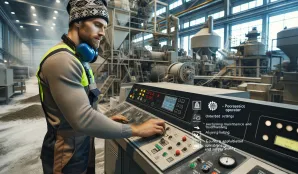
Process operator, cement production salary
Latest available salary statistics are for 2025. Compare average pay, salary range and related job listings.
36 600 - 38 400 SEK / month
Women earn 97% of what men do.
Industriell tillverkning
Related tools
Salary progression Process operator, cement production
What does a process operator in cement manufacturing do? – Tasks and work environment
A process operator in cement manufacturing is responsible for monitoring and controlling cement production in industrial facilities. Tasks include machine control, supervision of chemical processes, troubleshooting, and maintenance to ensure smooth and safe operations. The work is often shift-based and involves close collaboration with colleagues in the production chain. The environment features large machinery and high safety standards, where precision and attention to detail are crucial to minimize downtime and maintain product quality.
Salary development over time
Salaries for process operators in cement manufacturing have shown steady growth over the past three years. In 2022, the average salary was 33,800 SEK, increasing to 36 000 SEK in 2023. In 2024, the average salary continued upward to 37 800 SEK. This increase represents a total salary improvement of approximately 6.2% over the three-year period. The salary growth can be partly explained by increased demand for qualified operators and overall pressure from union agreements within the industry sector. Skills requirements and technological advancements have also contributed to higher salary levels. Despite the profession being relatively specialized, there has been a slight gender-based salary difference, with men earning somewhat more on average than women.
Process operator, cement manufacturing salary – complete overview
- Average salary: 37 800 SEK/month
- Lowest salary: 34,100 SEK/month
- Highest salary: 36,600 SEK/month
- Hourly wage (average): 216 SEK
- Women earn: 34,100 SEK/month (97% of men's salary)
- Men earn: 38 000 SEK/month
Education and qualifications
To work as a process operator in cement manufacturing, a high school education in industrial technology, process engineering, or similar fields is usually required. Many employers also value experience from similar process industries or supplementary training in automation and control technology. Internships or trainee programs are common entry routes, and certifications can be advantageous for certain roles.
- High school education: Industrial technology program (3 years)
- Certification courses: Examples include process and control technology
- Internships or trainee programs: Common during employment
- Prerequisites: Technical understanding and good knowledge of Swedish
- Further education: Opportunities for specialization in automation or quality assurance
Many process operators in the cement industry have the opportunity to work with advanced automation and digital control systems, making the profession attractive for those interested in technology and problem-solving.
Common benefits and compensation
Process operators in cement manufacturing are often covered by collective agreements that include benefits such as shift allowances, occupational pensions, wellness contributions, and sometimes bonuses linked to production or safety. Employers may also offer training support, work clothing, and insurance as part of the employment package.
Competition and challenges
The competition for jobs as a process operator in cement manufacturing varies depending on the region and economic conditions. Since the profession requires technical skills and experience from process industries, it can be challenging for recent graduates to secure permanent positions immediately. Digitalization and increased environmental requirements also demand higher knowledge and flexibility from operators. Additionally, operators must be prepared to work shifts and handle monotonous and stressful situations, requiring stamina and precision. For those willing to further their education and demonstrate engagement, there are good employment opportunities.
Tips for aspiring process operators in cement manufacturing
To succeed as a process operator in cement manufacturing, it’s beneficial to combine technical interest with careful and analytical skills. Being solution-oriented is an advantage, as the work often involves quickly identifying and fixing operational disruptions. Good teamwork skills are necessary since tasks are performed in close collaboration with colleagues and other professionals. Flexibility is important, especially since shift work and changing process requirements are common. Continuous training and staying updated on new technology provide competitive advantages and increase career prospects. Finally, a sense of responsibility and the ability to work under pressure are valued, as safety aspects are central to both production and the work environment in cement industry.
Key facts about process operators in cement manufacturing
- Education level: High school (industrial technology or process engineering)
- Work environment: Shift work in industrial settings with high safety standards
- Employment type: Often permanent, but temporary and hourly contracts also occur
- demand: 1,437 job openings in the field as of recent data
- Special skills: Knowledge of automation and control systems highly valued
Career paths and future outlook
After three to five years as a process operator in cement manufacturing, there are often opportunities to advance to roles such as shift supervisor, process technician, or production supervisor. Further training in automation, quality assurance, or environmental technology can open doors to more specialized positions or project management. According to the Swedish Public Employment Service, no precise forecast exists due to limited data, but high demand indicated by the number of job openings suggests good prospects. Ongoing technological development and increased sustainability requirements may create new opportunities for those interested in specializing and taking on more responsibility within the cement industry.
Frequently asked questions about process operators in cement manufacturing
- What does a process operator in cement manufacturing earn?
- The average salary for a process operator in cement manufacturing is 37 800 SEK per month. - Are there salary differences between men and women?
- Yes, men earn an average of 38 000 SEK while women earn 34,100 SEK, which is 97% of men's salary. - What education is required to become a process operator in cement manufacturing?
- High school education in industrial technology or process engineering is most common, often supplemented with internships or certification courses. - What is the highest salary for a process operator in cement manufacturing?
- The highest salary is 36,600 SEK per month, belonging to a male employed as a private-sector salaried employee with high school education. - What is the job market like for this profession?
- There are approximately 1,437 job openings in the field, but no precise future forecast due to limited data. - What benefits are common for process operators?
- Common benefits include shift allowances, wellness contributions, occupational pension, and sometimes production bonuses. - Is prior experience needed to get a job as a process operator?
- Experience from process industries is often advantageous, but some employers offer trainee programs for recent graduates.

Salary distributed by age and sector
| Age | Base salary | Monthly salary | |
|---|---|---|---|
| 18-24 | 107% | 31900 kr | 35300 kr |
| 25-34 | 97% | 34200 kr | 37600 kr |
| 35-44 | 35100 kr | 38600 kr | |
| 45-54 | 36000 kr | 39100 kr | |
| 55-64 | 36100 kr | 38300 kr | |
| Snitt | 97% | 34700 kr | 37800 kr |
| Age | Base salary | Monthly salary | |
|---|---|---|---|
| 18-24 | 107% | 31900 kr | 35300 kr |
| 25-34 | 97% | 34200 kr | 37600 kr |
| 35-44 | 35100 kr | 38600 kr | |
| 45-54 | 36000 kr | 39100 kr | |
| 55-64 | 36100 kr | 38300 kr | |
| Snitt | 97% | 34700 kr | 37800 kr |
| Age | Base salary | Monthly salary | |
|---|---|---|---|
| 18-24 | 107% | 31900 kr | 35300 kr |
| 25-34 | 97% | 34200 kr | 37600 kr |
| 35-44 | 35100 kr | 38600 kr | |
| 45-54 | 36000 kr | 39100 kr | |
| 55-64 | 36100 kr | 38300 kr | |
| Snitt | 97% | 34700 kr | 37800 kr |
| Age | Base salary | Monthly salary | |
|---|---|---|---|
| 18-24 | 107% | 31600 kr | 34600 kr |
| 25-34 | 97% | 34400 kr | 37900 kr |
| 35-44 | 35300 kr | 38800 kr | |
| 45-54 | 36100 kr | 39200 kr | |
| 55-64 | 36200 kr | 38500 kr | |
| Snitt | 97% | 34900 kr | 38000 kr |
| Age | Base salary | Monthly salary | |
|---|---|---|---|
| 18-24 | 107% | 31600 kr | 34600 kr |
| 25-34 | 97% | 34400 kr | 37900 kr |
| 35-44 | 35300 kr | 38800 kr | |
| 45-54 | 36100 kr | 39200 kr | |
| 55-64 | 36200 kr | 38500 kr | |
| Snitt | 97% | 34900 kr | 38000 kr |
| Age | Base salary | Monthly salary | |
|---|---|---|---|
| 18-24 | 107% | 31600 kr | 34600 kr |
| 25-34 | 97% | 34400 kr | 37900 kr |
| 35-44 | 35300 kr | 38800 kr | |
| 45-54 | 36100 kr | 39200 kr | |
| 55-64 | 36200 kr | 38500 kr | |
| Snitt | 97% | 34900 kr | 38000 kr |
| Age | Base salary | Monthly salary | |
|---|---|---|---|
| 18-24 | 107% | 32700 kr | 37100 kr |
| 25-34 | 97% | 33700 kr | 36700 kr |
| Snitt | 97% | 33600 kr | 36900 kr |
| Age | Base salary | Monthly salary | |
|---|---|---|---|
| 18-24 | 107% | 32700 kr | 37100 kr |
| 25-34 | 97% | 33700 kr | 36700 kr |
| Snitt | 97% | 33600 kr | 36900 kr |
| Age | Base salary | Monthly salary | |
|---|---|---|---|
| 18-24 | 107% | 32700 kr | 37100 kr |
| 25-34 | 97% | 33700 kr | 36700 kr |
| Snitt | 97% | 33600 kr | 36900 kr |

About the data
All information displayed on this page is based on data from the Swedish Central Bureau of Statistics (SCB), the Swedish Tax Agency and the Swedish employment agency. Learn more about our data and data sources here.
All figures are gross salaries, meaning salaries before tax. The average salary, or mean salary, is calculated by adding up the total salary for all individuals within the profession and dividing it by the number of individuals. For specific job categories, we have also considered various criteria such as experience and education.
Profession Process operator, cement production has the SSYK code 8114, which we use to match against the SCB database to obtain the latest salary statistics.
-

Process Technician at Heidelberg Materials Betong on Gotland
Machine operators, cement, stone and concrete products
Tue, 23 Jun 2026 - 23:01 -

Production Staff for Precast Factory in Strängnäs
Machine operators, cement, stone and concrete products
Mon, 22 Jun 2026 - 09:22 -
Reinforcement Worker for Growing Concrete Industry
Machine operators, cement, stone and concrete products
Mon, 22 Jun 2026 - 09:00 -

Process Operator for Asphalt Plant in Tälle
Machine operators, cement, stone and concrete products
Thu, 18 Jun 2026 - 23:03 -

Plant Operator at Peab Asphalt in Linneryd
Machine operators, cement, stone and concrete products
Wed, 17 Jun 2026 - 00:12
Compare salary, work tasks and job outlook in adjacent occupations to find roles with similar skills or pay levels.
-

Average salary: 36 300 SEK/month • Industriell tillverkning
Machine setters and machine operators, metal work
Compare with Process operator, cement production
Wed, 24 Jun 2026 - 09:02 -

Average salary: 36 000 SEK/month • Industriell tillverkning
Machine operators, surface treatment
Compare with Process operator, cement production
Wed, 24 Jun 2026 - 14:22 -

Average salary: 35 700 SEK/month • Industriell tillverkning
Grinders etc.
Compare with Process operator, cement production
Wed, 24 Jun 2026 - 14:20 -

Average salary: 28 600 SEK/month • Industriell tillverkning
Machine operators, bleaching, dyeing and washing
Compare with Process operator, cement production
Wed, 24 Jun 2026 - 11:11 -

Average salary: 35 700 SEK/month • Industriell tillverkning
Vehicle assemblers
Compare with Process operator, cement production
Wed, 24 Jun 2026 - 10:21 -

Average salary: 32 200 SEK/month • Industriell tillverkning
Other machine operators, textile, leather and leather industry
Compare with Process operator, cement production
Mon, 22 Jun 2026 - 18:31


