- Salary statistics
- Carpet cleaner salary
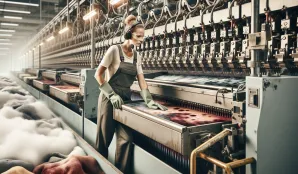
Carpet cleaner salary
Latest available salary statistics are for 2025. Compare average pay, salary range and related job listings.
23 800 - 32 000 SEK / month
Women earn 100% of what men do.
Industriell tillverkning
Related tools
Salary progression Carpet cleaner
What does a Mattvättare do? – tasks and work environment
A Mattvättare primarily works with cleaning and caring for carpets, either in specialized laundries or at larger cleaning companies. Tasks include everything from receiving and sorting dirty carpets to using machines and chemicals to wash, rinse, and dry textiles according to established routines. Quality control, stain removal, and sometimes simple repairs of carpets are also included. The work environment can vary between industrial laundries and smaller workshops, where heavy lifting, working in humid environments, and contact with cleaning agents may occur. Good physical condition and precision are highly valued in this profession.
Salary development over time
Over the past three years, salaries for Mattvättare have increased modestly but steadily. In 2022, the average salary was 26,600 SEK per month, while in 2023 it was 27 800 SEK. In 2024, the average salary was raised to 28 600 SEK, representing an increase of approximately 4.9% compared to the previous year. This development follows a trend where demand for skilled Mattvättare has increased, especially as more companies and public organizations choose to hire professional laundries for larger textiles. Salary increases can also be linked to the industry’s need to retain experienced staff and minor adjustments in collective agreements. Although the salary growth has been relatively cautious, it can be viewed as stable compared to other service occupations within industry.
Mattvättare salary – a complete overview
- Average salary: 28 600 SEK/month
- Lowest salary: 23,400 SEK/month (man, government sector, high school education 3 years)
- Highest salary: 30,000 SEK/month (woman, public sector, high school education up to 2 years)
- Hourly wage: 167 SEK/hour
- Women: 28 700 SEK, Men: 28 600 SEK
- Gender differences: Women and men earn roughly the same
- Regional differences: No significant public statistics available
Education and qualifications
To work as a Mattvättare, usually no formal higher education is required, but high school education in industrial technology, textile care, or equivalent is advantageous. Many employers offer internal training, and practical experience is highly valued. It is also common for new employees to undergo introductory courses on machine safety, chemical handling, and ergonomics. Some employers may require a driver’s license, especially if work involves fieldwork or deliveries.
- High school education: Industrial technology or textile care programs, 2–3 years
- Introductory courses: Safety routines, chemical handling, machine operation
- Practical training: Often on-site under supervision
- Prerequisites: Good physical condition and attention to detail are recommended
- Tips: Interest in technology and service facilitates learning on the job
It is not uncommon for Mattvättare to develop specialist knowledge about different materials and stain types, which can lead to roles in quality control or customer advice. Many appreciate the variation in the workday, especially in smaller companies where customers are often present.
Common benefits and compensation
Mattvättare are often covered by collective agreements that provide rights to overtime pay, additional holiday pay, pension contributions, and sometimes work clothing, wellness allowances, and subsidized lunches or employee discounts on laundry services. Some employers also offer further training and certification opportunities in textile care.
Competition and challenges
The job market for Mattvättare is affected by automation and technological development in the laundry industry, which requires adaptability and technical skills. Competition for jobs is generally low, but since the profession is part of a broader group of machine operators, regional availability of jobs can vary. Physically demanding tasks and exposure to chemicals pose challenges that require caution and good work environment knowledge. The lack of clear career paths and specialized training can also limit development opportunities, but experience is highly valued by employers.
Tips for those wanting to become a Mattvättare
To succeed as a Mattvättare, it is good to be practically inclined and have a good sense of detail, as precision is crucial when handling various materials and stains. Good physical condition and endurance facilitate the work, especially during heavy lifts and long workdays. Being service-minded and communicative is also valuable, as customer contact may occur. Showing interest in technology and machinery makes it easier to quickly learn different tasks and understand safety routines. Flexibility and the ability to work independently are important qualities, especially in smaller companies where tasks can vary from day to day. Taking the initiative for further training or certification in textile care also opens up more career opportunities within the profession.
Key facts about Mattvättare
- Education level: High school education recommended
- Typical employment: Full-time or hourly employment
- Work environment: Industrial laundry or smaller workshop, sometimes physically demanding
- Demand: 1,437 job openings within the profession (2024)
- Gender distribution: Equal pay between women and men
Career paths and future prospects
After three to five years as a Mattvättare, there are opportunities to advance to roles such as supervisor, quality manager, or machine operator with specialized textile care skills. With experience, transitioning to related roles within the industry or specialized cleaning companies is also possible. According to the Swedish Employment Service’s forecast, no specific assessment is made for Mattvättare due to limited data, but within the broader group of machine operators, demand remains relatively stable with 1,437 job openings reported in 2024. Those actively pursuing further training or certification can improve their career prospects, especially in larger laundries or companies offering higher-quality textile care services.
Frequently asked questions about Mattvättare
- What is the average salary of a Mattvättare?
- The average salary is 28 600 SEK per month. - What is the highest salary for a Mattvättare?
- The highest salary is 30,000 SEK per month and belongs to a woman in the public sector. - What is the lowest salary for a Mattvättare?
- The lowest salary is 23,400 SEK per month and belongs to a man in the government sector. - Are there salary differences between women and men?
- Women and men earn roughly the same within this profession. - What education is required to become a Mattvättare?
- High school education in industrial technology or textile care is recommended, but training often occurs on the job. - What does the job market look like for Mattvättare?
- Demand is stable with 1,437 job openings in 2024. - What personal qualities are important?
- Attention to detail, good physical condition, service-mindedness, and technical interest are important qualities.

Salary distributed by age and sector
| Age | Base salary | Monthly salary | |
|---|---|---|---|
| 18-24 | 24900 kr | 26900 kr | |
| 25-34 | 96% | 26900 kr | 28300 kr |
| 35-44 | 98% | 27300 kr | 28700 kr |
| 45-54 | 101% | 27700 kr | 28900 kr |
| 55-64 | 102% | 28500 kr | 29300 kr |
| Snitt | 100% | 27400 kr | 28600 kr |
| Age | Base salary | Monthly salary | |
|---|---|---|---|
| 18-24 | 102% | 23800 kr | 25400 kr |
| 25-34 | 100% | 26600 kr | 28800 kr |
| 35-44 | 95% | 27900 kr | 29500 kr |
| 45-54 | 106% | 28100 kr | 29400 kr |
| 55-64 | 103% | 29500 kr | 30700 kr |
| 65-68 | 109% | 30300 kr | 31300 kr |
| Snitt | 103% | 27900 kr | 29400 kr |
| Age | Base salary | Monthly salary | |
|---|---|---|---|
| 45-54 | 28400 kr | 28400 kr | |
| 55-64 | 30800 kr | 30800 kr | |
| Snitt | 99% | 29600 kr | 29600 kr |
| Age | Base salary | Monthly salary | |
|---|---|---|---|
| 18-24 | 95% | 24200 kr | 24200 kr |
| 25-34 | 100% | 24500 kr | 24500 kr |
| 35-44 | 28200 kr | 28200 kr | |
| 45-54 | 110% | 26700 kr | 26800 kr |
| 55-64 | 100% | 29600 kr | 29700 kr |
| 65-68 | 31400 kr | 31500 kr | |
| Snitt | 109% | 27800 kr | 27900 kr |
| Age | Base salary | Monthly salary | |
|---|---|---|---|
| 18-24 | 104% | 23700 kr | 25600 kr |
| 25-34 | 98% | 26800 kr | 29300 kr |
| 35-44 | 95% | 27900 kr | 29600 kr |
| 45-54 | 104% | 28500 kr | 30100 kr |
| 55-64 | 105% | 29400 kr | 31000 kr |
| 65-68 | 104% | 29900 kr | 31300 kr |
| Snitt | 102% | 27800 kr | 29700 kr |
| Age | Base salary | Monthly salary | |
|---|---|---|---|
| 18-24 | 25000 kr | 27100 kr | |
| 25-34 | 95% | 26900 kr | 28300 kr |
| 35-44 | 98% | 27200 kr | 28600 kr |
| 45-54 | 101% | 27700 kr | 28800 kr |
| 55-64 | 102% | 28400 kr | 29000 kr |
| Snitt | 100% | 27300 kr | 28500 kr |
| Age | Base salary | Monthly salary | |
|---|---|---|---|
| 18-24 | 25000 kr | 27100 kr | |
| 25-34 | 95% | 26900 kr | 28300 kr |
| 35-44 | 98% | 27200 kr | 28600 kr |
| 45-54 | 101% | 27700 kr | 28800 kr |
| 55-64 | 102% | 28400 kr | 29000 kr |
| Snitt | 100% | 27300 kr | 28500 kr |
| Age | Base salary | Monthly salary | |
|---|---|---|---|
| 18-24 | 24800 kr | 26900 kr | |
| 25-34 | 96% | 27100 kr | 28600 kr |
| 35-44 | 98% | 27400 kr | 29000 kr |
| 45-54 | 101% | 27400 kr | 28700 kr |
| 55-64 | 102% | 28100 kr | 28900 kr |
| Snitt | 100% | 27200 kr | 28600 kr |
| Age | Base salary | Monthly salary | |
|---|---|---|---|
| 18-24 | 102% | 23500 kr | 25100 kr |
| 25-34 | 100% | 26400 kr | 28900 kr |
| 35-44 | 95% | 27700 kr | 30200 kr |
| 45-54 | 106% | 27200 kr | 28300 kr |
| 55-64 | 103% | 28900 kr | 30000 kr |
| 65-68 | 109% | 28600 kr | 29200 kr |
| Snitt | 103% | 27000 kr | 28900 kr |
| Age | Base salary | Monthly salary | |
|---|---|---|---|
| Snitt | 99% | 29900 kr | 29900 kr |
| Age | Base salary | Monthly salary | |
|---|---|---|---|
| 18-24 | 95% | 24900 kr | 24900 kr |
| 25-34 | 100% | 24500 kr | 24500 kr |
| 45-54 | 110% | 25200 kr | 25200 kr |
| 55-64 | 100% | 29600 kr | 29700 kr |
| Snitt | 109% | 26200 kr | 26300 kr |
| Age | Base salary | Monthly salary | |
|---|---|---|---|
| 18-24 | 104% | 23400 kr | 25200 kr |
| 25-34 | 98% | 26700 kr | 29500 kr |
| 35-44 | 95% | 27800 kr | 30400 kr |
| 45-54 | 104% | 27700 kr | 29400 kr |
| 55-64 | 105% | 28700 kr | 30000 kr |
| 65-68 | 104% | 29700 kr | 30400 kr |
| Snitt | 102% | 27100 kr | 29300 kr |
| Age | Base salary | Monthly salary | |
|---|---|---|---|
| 18-24 | 24900 kr | 27100 kr | |
| 25-34 | 95% | 27100 kr | 28600 kr |
| 35-44 | 98% | 27400 kr | 28900 kr |
| 45-54 | 101% | 27400 kr | 28700 kr |
| 55-64 | 102% | 27900 kr | 28700 kr |
| Snitt | 100% | 27200 kr | 28600 kr |
| Age | Base salary | Monthly salary | |
|---|---|---|---|
| 18-24 | 24900 kr | 27100 kr | |
| 25-34 | 95% | 27100 kr | 28600 kr |
| 35-44 | 98% | 27400 kr | 28900 kr |
| 45-54 | 101% | 27400 kr | 28700 kr |
| 55-64 | 102% | 27900 kr | 28700 kr |
| Snitt | 100% | 27200 kr | 28600 kr |
| Age | Base salary | Monthly salary | |
|---|---|---|---|
| 25-34 | 96% | 26400 kr | 27400 kr |
| 35-44 | 98% | 27100 kr | 28300 kr |
| 45-54 | 101% | 28100 kr | 29000 kr |
| 55-64 | 102% | 28900 kr | 29600 kr |
| Snitt | 100% | 27700 kr | 28700 kr |
| Age | Base salary | Monthly salary | |
|---|---|---|---|
| 18-24 | 102% | 24100 kr | 25600 kr |
| 25-34 | 100% | 26900 kr | 28700 kr |
| 35-44 | 95% | 28000 kr | 28800 kr |
| 45-54 | 106% | 28700 kr | 29900 kr |
| 55-64 | 103% | 29700 kr | 31000 kr |
| 65-68 | 109% | 30800 kr | 31800 kr |
| Snitt | 103% | 28500 kr | 29700 kr |
| Age | Base salary | Monthly salary | |
|---|---|---|---|
| Snitt | 99% | 29400 kr | 29500 kr |
| Age | Base salary | Monthly salary | |
|---|---|---|---|
| 18-24 | 95% | 23800 kr | 23800 kr |
| 25-34 | 100% | 24600 kr | 24600 kr |
| 35-44 | 28900 kr | 28900 kr | |
| 45-54 | 110% | 27700 kr | 27800 kr |
| 55-64 | 100% | 29600 kr | 29600 kr |
| 65-68 | 32400 kr | 32500 kr | |
| Snitt | 109% | 28700 kr | 28700 kr |
| Age | Base salary | Monthly salary | |
|---|---|---|---|
| 18-24 | 104% | 24100 kr | 26100 kr |
| 25-34 | 98% | 27000 kr | 29000 kr |
| 35-44 | 95% | 27900 kr | 28800 kr |
| 45-54 | 104% | 28900 kr | 30500 kr |
| 55-64 | 105% | 29700 kr | 31500 kr |
| 65-68 | 104% | 29900 kr | 31600 kr |
| Snitt | 102% | 28400 kr | 30000 kr |
| Age | Base salary | Monthly salary | |
|---|---|---|---|
| 25-34 | 95% | 26400 kr | 27300 kr |
| 35-44 | 98% | 27000 kr | 28300 kr |
| 45-54 | 101% | 28000 kr | 28900 kr |
| 55-64 | 102% | 28700 kr | 29200 kr |
| Snitt | 100% | 27500 kr | 28500 kr |
| Age | Base salary | Monthly salary | |
|---|---|---|---|
| 25-34 | 95% | 26400 kr | 27300 kr |
| 35-44 | 98% | 27000 kr | 28300 kr |
| 45-54 | 101% | 28000 kr | 28900 kr |
| 55-64 | 102% | 28700 kr | 29200 kr |
| Snitt | 100% | 27500 kr | 28500 kr |

About the data
All information displayed on this page is based on data from the Swedish Central Bureau of Statistics (SCB), the Swedish Tax Agency and the Swedish employment agency. Learn more about our data and data sources here.
All figures are gross salaries, meaning salaries before tax. The average salary, or mean salary, is calculated by adding up the total salary for all individuals within the profession and dividing it by the number of individuals. For specific job categories, we have also considered various criteria such as experience and education.
Profession Carpet cleaner has the SSYK code 8151, which we use to match against the SCB database to obtain the latest salary statistics.
-

Part-time Production Assistant in Arlandastad – Studies or Other Job Required
Machine operators, bleaching, dyeing and washing
Mon, 13 Jul 2026 - 09:11 -

Heat Transfer Operator for Brandtown in Borås – Immediate Start
Machine operators, bleaching, dyeing and washing
Thu, 9 Jul 2026 - 00:54 -

Production Staff Needed on Öland – Full-time with Chance of Permanent Employment
Machine operators, bleaching, dyeing and washing
Wed, 8 Jul 2026 - 23:56 -

Production Employee for Laundry in Huskvarna (Part-time)
Machine operators, bleaching, dyeing and washing
Tue, 7 Jul 2026 - 21:49 -
Heat Transfer Operator at Brandtown in Borås
Machine operators, bleaching, dyeing and washing
Fri, 3 Jul 2026 - 23:29
Compare salary, work tasks and job outlook in adjacent occupations to find roles with similar skills or pay levels.
-

Average salary: 31 900 SEK/month • Industriell tillverkning
Hand packers and other factory workers
Compare with Carpet cleaner
Tue, 14 Jul 2026 - 09:18 -

Vehicle paint, manufacturing salary
Average salary: 36 400 SEK/month • Industriell tillverkning
Painters and industrial painters
Compare with Carpet cleaner
Tue, 14 Jul 2026 - 10:59 -

Average salary: 38 300 SEK/month • Industriell tillverkning
Operators in sawmills, planing mills and plywood etc.
Compare with Carpet cleaner
Tue, 14 Jul 2026 - 10:58 -

Average salary: 35 200 SEK/month • Industriell tillverkning
Machine operators, mill, bakery and confectionery industry
Compare with Carpet cleaner
Tue, 14 Jul 2026 - 16:13 -

Sheet metal worker, heavy plate salary
Average salary: 39 700 SEK/month • Industriell tillverkning
Steel construction assemblers and heavy plate workers
Compare with Carpet cleaner
Tue, 14 Jul 2026 - 16:18 -

Average salary: 33 000 SEK/month • Industriell tillverkning
Machine operators, meat and fish processing industry
Compare with Carpet cleaner
Tue, 14 Jul 2026 - 17:25


