- Salary statistics
- Line fitter, electric power salary
Line fitter, electric power salary
Latest available salary statistics are for 2025. Compare average pay, salary range and related job listings.
37 200 - 42 900 SEK / month
Installation & drift/underhåll
Related tools
Salary progression Line fitter, electric power
What does a line technician in electric power do? – Tasks and work environment
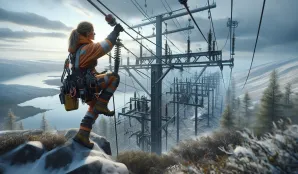
A line technician in electric power is responsible for constructing, maintaining, and repairing power lines and networks that supply electricity to communities and industries. Tasks include installing poles, conductors, and transformers, troubleshooting power outages, and inspecting and performing preventive maintenance on power lines. The work is often outdoors, sometimes at great heights or in difficult terrain, requiring regular handling of advanced safety equipment. The work environment is varied and can be demanding, especially in bad weather or during emergency responses to power outages.
Salary development over time
The profession has experienced clear positive salary growth over the past three years. In 2022, the average salary was 36,900 SEK per month, which decreased slightly to 42 800 SEK in 2023. In 2024, wages increased significantly to 42 900 SEK, representing an increase of over 16.6% compared to the previous year. This sharp rise is likely linked to increased demand for skills in the energy sector and a growing need for secure power grids as society electrifies. The salary increase may also reflect a greater focus on work environment and safety, as well as competition for technical workforce.
Line technician, electric power salary – comprehensive overview
- Average salary: 42 900 SEK/month
- Lowest/Highest salary: Data not available (salaries vary depending on experience and region within the profession)
- Hourly wage: 257 SEK (based on 166 hours/month)
- Gender differences: Men earn on average 43 200 SEK/month; specific statistics for women are not available
- Regional differences: Salaries may vary depending on work location and employer, but detailed statistics are lacking
Education and qualifications
To work as a line technician in electric power, a high school education with a focus on the electrical and energy program is usually required, or alternatively adult education or YH (vocational college) training in electrical engineering. Practical experience and professional certification are often required, with both internal and external certifications available. The industry values safety awareness and the ability to work under varying conditions.
- High school: Electrical and energy program (3 years)
- YH education: Distribution electrician (1–2 years)
- Certificates: ESA (Electrical Safety Regulations) and other safety courses
- Practical training: Often a requirement for apprenticeship or internships during studies
- Prerequisites: B driver's license and good physical condition are common requirements
Many line technicians work in teams and often travel between different work sites, which can offer great variation and opportunities to see new environments. The work sometimes involves standby duty, where quick responses are required during storms or power outages.
Common benefits and compensations
In addition to base salary, benefits such as per diems during travel, overtime pay for unsocial hours, wellness contributions, work clothing, insurance, and opportunities for further training in safety and technology are often provided by employers.
Competition and challenges
The demand for electric power line technicians remains high, but competition for the most attractive positions can be significant in some regions. The industry is characterized by rapid technological changes and increased safety requirements, demanding continuous training. The work environment can be demanding, especially at heights or in harsh weather. Access to trained workforce varies regionally, with some areas reporting difficulties in finding experienced technicians. Challenges related to work environment, standby duties, and flexibility are common.
Tips for those who want to become a line technician in electric power
To succeed as a line technician, combining technical interest with practical problem-solving skills is advantageous. Attention to detail is crucial, especially since safety procedures must be followed precisely. Physical endurance and a head for heights facilitate the work, as technicians often work on poles or in terrain. Teamwork skills are important because the work is performed in teams and requires good communication. Flexibility and readiness to respond to emergencies are appreciated by employers, as is a willingness to continually update skills in new techniques and methods. Having B driver's license and being prepared to travel offer additional advantages.
Key facts about a line technician in electric power
- Education level: High school diploma or YH education in electrical engineering
- Work environment: Outdoors, often at great heights and in varying weather conditions
- Work form: Teamwork and standby duties are common
- Demand: High, 481 available jobs within the profession (May 2024)
- Special skills: Electrical safety, work at heights, ESA certification
Career paths and future prospects
After 3–5 years in the profession, there are good opportunities to take on greater responsibility, such as supervisor, project manager, or specialist in network planning or distribution technology. Many choose to further their education to become distribution electricians or technicians within power grids and energy systems. According to the Swedish Public Employment Service's forecast, there is currently no precise assessment for a line technician in electric power due to limited statistical data, but the number of available jobs indicates a strong labor market. The increasing electrification of society and the need for robust infrastructure suggest that demand will persist. Related professions include electrical technician, service electrician, and installer within the energy sector.
Common questions about a line technician in electric power
- What does a line technician in electric power earn?
- The average salary is 42 900 SEK per month, with variation depending on experience and region. - How do you train to become a line technician in electric power?
- Most commonly, the electric and energy program at high school or a YH (vocational college) education, often with practical training and certification. - What personal qualities are important?
- Meticulousness, physical endurance, teamwork skills, and a head for heights are important qualities. - What is the job market like?
- Demand is high, with 481 available jobs within the profession according to the latest measurement. - Are there opportunities for further education?
- Yes, many employers offer further training in electrical safety, technology, and leadership. - Can women work as a line technician in electric power?
- Yes, although the profession is male-dominated, women are welcomed, and many employers actively promote gender equality. - What benefits are common?
- Per diems, overtime pay, wellness contributions, and insurance are common benefits.

Salary distributed by age and sector
| Age | Base salary | Monthly salary | |
|---|---|---|---|
| 18-24 | 31600 kr | 38600 kr | |
| 25-34 | 36400 kr | 41000 kr | |
| 35-44 | 39300 kr | 45400 kr | |
| 45-54 | 39300 kr | 44900 kr | |
| 55-64 | 40500 kr | 46500 kr | |
| Snitt | 37200 kr | 42900 kr |
| Age | Base salary | Monthly salary | |
|---|---|---|---|
| 18-24 | 31600 kr | 38600 kr | |
| 25-34 | 36400 kr | 41000 kr | |
| 35-44 | 39300 kr | 45400 kr | |
| 45-54 | 39300 kr | 44900 kr | |
| 55-64 | 40500 kr | 46500 kr | |
| Snitt | 37200 kr | 42900 kr |
| Age | Base salary | Monthly salary | |
|---|---|---|---|
| 18-24 | 31600 kr | 38600 kr | |
| 25-34 | 36400 kr | 41000 kr | |
| 35-44 | 39300 kr | 45400 kr | |
| 45-54 | 39300 kr | 44900 kr | |
| 55-64 | 40500 kr | 46500 kr | |
| Snitt | 37200 kr | 42900 kr |
| Age | Base salary | Monthly salary | |
|---|---|---|---|
| 18-24 | 31500 kr | 38900 kr | |
| 25-34 | 36300 kr | 41100 kr | |
| 35-44 | 39300 kr | 45500 kr | |
| 45-54 | 39300 kr | 45000 kr | |
| 55-64 | 41500 kr | 48200 kr | |
| Snitt | 37300 kr | 43200 kr |
| Age | Base salary | Monthly salary | |
|---|---|---|---|
| 18-24 | 31500 kr | 38900 kr | |
| 25-34 | 36300 kr | 41100 kr | |
| 35-44 | 39300 kr | 45500 kr | |
| 45-54 | 39300 kr | 45000 kr | |
| 55-64 | 41500 kr | 48200 kr | |
| Snitt | 37300 kr | 43200 kr |
| Age | Base salary | Monthly salary | |
|---|---|---|---|
| 18-24 | 31500 kr | 38900 kr | |
| 25-34 | 36300 kr | 41100 kr | |
| 35-44 | 39300 kr | 45500 kr | |
| 45-54 | 39300 kr | 45000 kr | |
| 55-64 | 41500 kr | 48200 kr | |
| Snitt | 37300 kr | 43200 kr |

About the data
All information displayed on this page is based on data from the Swedish Central Bureau of Statistics (SCB), the Swedish Tax Agency and the Swedish employment agency. Learn more about our data and data sources here.
All figures are gross salaries, meaning salaries before tax. The average salary, or mean salary, is calculated by adding up the total salary for all individuals within the profession and dividing it by the number of individuals. For specific job categories, we have also considered various criteria such as experience and education.
Profession Line fitter, electric power has the SSYK code 7413, which we use to match against the SCB database to obtain the latest salary statistics.
-

Service Technician at Schneider Electric – Reliable Power Solutions
Distribution electricians
Tue, 14 Jul 2026 - 09:04 -

Pool & Spa Technician at SWIIM – Build the Future of Service
Distribution electricians
Tue, 14 Jul 2026 - 00:00 -
Service Technician for Coffee and Ice Cream Machines – Gävleborg
Distribution electricians
Fri, 10 Jul 2026 - 22:03

Compare salary, work tasks and job outlook in adjacent occupations to find roles with similar skills or pay levels.
-

Process operator, lead cold and refining plant salary
Average salary: 39 300 SEK/month • Installation & drift/underhåll
Process supervisors, metal production
Compare with Line fitter, electric power
Tue, 14 Jul 2026 - 08:18 -

Average salary: 27 300 SEK/month • Installation & drift/underhåll
Other service workers
Compare with Line fitter, electric power
Tue, 14 Jul 2026 - 09:21 -

Average salary: 39 300 SEK/month • Installation & drift/underhåll
Process supervisors, metal production
Compare with Line fitter, electric power
Tue, 14 Jul 2026 - 10:55 -

Average salary: 41 000 SEK/month • Installation & drift/underhåll
Industrial electricians
Compare with Line fitter, electric power
Tue, 14 Jul 2026 - 10:26 -

Average salary: 35 500 SEK/month • Installation & drift/underhåll
Motor vehicle mechanics and repairers
Compare with Line fitter, electric power
Tue, 14 Jul 2026 - 07:13 -

Electrical repair, installation salary
Average salary: 39 600 SEK/month • Installation & drift/underhåll
Installation and service electricians
Compare with Line fitter, electric power
Tue, 14 Jul 2026 - 02:58


