- Salary statistics
- County veterinarian salary
County veterinarian salary
Latest available salary statistics are for 2025. Compare average pay, salary range and related job listings.
43 200 - 58 100 SEK / month
Women earn 95% of what men do.
Hälso- & sjukvård
Related tools
Salary progression County veterinarian
What does a länsveterinär do? – Tasks and Work Environment
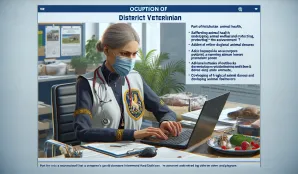
A länsveterinär is responsible for animal protection, disease control, and food safety within a county or region. The work involves supervising animal husbandry, regulatory enforcement, and advising farmers, veterinarians, and the public. The länsveterinär often collaborates with other authorities, such as the County Administrative Board and the Swedish Board of Agriculture, to ensure compliance with animal welfare laws and disease prevention measures. The work environment is varied and can include office tasks as well as field visits to farms and slaughterhouses, requiring flexibility and the ability to handle both administrative and practical duties.
Salary Development Over Time
The salary of a länsveterinär has shown steady and positive growth over the past three years. In 2022, the average salary was 48,500 SEK per month, increasing to 53 000 SEK in 2023 and reaching 54 800 SEK in 2024. This represents a total increase of approximately 9.3% during this period. The development can be linked to increased demand for veterinary expertise, especially in regulatory enforcement and animal welfare, as well as general salary adjustments within the public sector. The salary increase has also been influenced by a greater focus on disease control and animal welfare, which has helped raise the profession's status and salary levels. Despite the growth, some gender-based salary differences remain, with women earning 95% of what men do.
Overview of länsveterinär Salary
- Average salary: 54 800 SEK/month
- Lowest salary: 45,300 SEK/month (men), 48,900 SEK/month (women)
- Highest salary: 55,700 SEK/month (men), 54,400 SEK/month (women)
- Hourly wage: 319 SEK
- Gender differences: Women earn 95% of what men do (men: 57 100 SEK, women: 54 200 SEK)
- Regional differences: Salary variations may occur depending on county and employer, but levels are generally consistent nationwide.
Education and Qualifications
To work as a länsveterinär, a veterinary degree and experience in regulatory work and animal protection are required. The education is comprehensive, combining theoretical studies with practical training. Many länsveterinärer also pursue further education in disease control, food safety, or administrative law. A solid foundation in veterinary medicine and good communication skills are essential for success in the profession.
- Formal education: Veterinary degree (5.5 years)
- Further education: Courses in animal protection, disease control, and administrative law
- Practical experience: Clinical practice and fieldwork or regulatory experience
- Prerequisites: Science-oriented high school education, high grades
- Tips: Experience with regulatory work and an interest in legislation are advantageous
Many länsveterinärer often work closely with other professionals such as inspectors and lawyers, making teamwork and communication important parts of daily life. The role sometimes involves making difficult decisions that affect both animals and people in society. The ability to be clear and pedagogical in contact with animal owners and the public is therefore particularly valuable.
Common Benefits and Compensation
Länsveterinärer within the public sector often have access to collective agreements that include occupational pensions, generous vacation policies, and wellness allowances. Other common benefits include continuing education, flexible working hours, and the possibility of remote work for administrative tasks. Some employers also offer extra vacation days or subsidized lunches.
Competition and Challenges
The job market for länsveterinärer is characterized by good employment opportunities, but competition for the most attractive positions can be fierce. Recruitment difficulties occur, especially in certain regions where it can be hard to attract experienced veterinarians to regulatory roles. At the same time, the profession involves challenges such as high demands for legal knowledge, resilience to stress, and conflict management. Many work part-time, which affects the availability of full-time positions and can create a paradoxical recruitment situation. The demand for länsveterinärer is expected to remain unchanged over the next five years according to the Swedish Public Employment Service forecast.
Tips for Aspiring länsveterinärs
To succeed as a länsveterinär, it is beneficial to combine analytical skills with a genuine interest in animal protection and societal issues. Precision is crucial, especially when interpreting and applying legislation in practical situations. Developing good communication skills is also important, as much of the work involves guiding and informing colleagues and animal owners. Engagement and integrity are key qualities, since the role often involves making decisions that can be sensitive for involved parties. Practical experience from animal husbandry or regulatory work provides a solid foundation, and actively seeking internships and networking within the field is recommended. Flexibility and good teamwork skills facilitate meetings with various professionals and stakeholders. Finally, it is important to stay continuously updated on new regulations and research in the area.
Key Facts about länsveterinär
- Educational level: Veterinary degree (5.5 years)
- Work environment: Combination of office and fieldwork
- Typical employment: Public sector, full-time or part-time
- Demand: Great opportunities for employment, 375 available positions
- Special skills: Animal protection, disease control, regulatory enforcement
Career Paths and Future Outlook
After three to five years as a länsveterinär, there are good opportunities to advance to leadership roles, such as chief veterinarian or animal welfare manager at the County Administrative Board. Other career options include expert roles within the Swedish Board of Agriculture, the National Food Agency, or international organizations. The forecast from the Swedish Public Employment Service indicates strong prospects for employment in the veterinary field nationally, with demand expected to remain stable over the next five years. Recruitment difficulties, especially for regulatory roles, make experienced länsveterinärer highly sought after in the job market.
Frequently Asked Questions about länsveterinär
- What does a länsveterinär earn?
- A länsveterinär has an average salary of 54 800 SEK per month, with a range between 45,300 SEK and 55,700 SEK. - What education is required to become a länsveterinär?
- A veterinary degree (5.5 years) is required, often supplemented with courses in animal protection and regulatory work. - Are there differences between men's and women's salaries?
- Women earn approximately 95% of men's salaries, corresponding to 54 200 SEK and 57 100 SEK per month. - What is the job market like for länsveterinärer?
- The job market is good with 375 available positions and great opportunities for employment. - What are the duties of a länsveterinär?
- Duties include animal protection inspections, disease control, advising, and regulatory enforcement. - What are the most common benefits?
- Common benefits include occupational pension, generous vacation, wellness allowances, and continuing education. - Are there regional salary differences?
- Some variations occur depending on the county and employer, but levels are generally consistent nationwide.

Salary distributed by age and sector
| Age | Base salary | Monthly salary | |
|---|---|---|---|
| 25-34 | 42800 kr | 47500 kr | |
| 35-44 | 96% | 51200 kr | 54600 kr |
| 45-54 | 58200 kr | 61300 kr | |
| 55-64 | 57600 kr | 59700 kr | |
| Snitt | 95% | 51300 kr | 54800 kr |
| Age | Base salary | Monthly salary | |
|---|---|---|---|
| 18-24 | 34300 kr | 46400 kr | |
| 25-34 | 100% | 39500 kr | 48000 kr |
| 35-44 | 93% | 46800 kr | 53400 kr |
| 45-54 | 98% | 52600 kr | 57700 kr |
| 55-64 | 102% | 53700 kr | 56500 kr |
| 65-68 | 111% | 58200 kr | 59500 kr |
| Snitt | 96% | 47600 kr | 53600 kr |
| Age | Base salary | Monthly salary | |
|---|---|---|---|
| 18-24 | 34300 kr | 46400 kr | |
| 25-34 | 100% | 39500 kr | 48000 kr |
| 35-44 | 93% | 46800 kr | 53400 kr |
| 45-54 | 98% | 52600 kr | 57700 kr |
| 55-64 | 102% | 53700 kr | 56500 kr |
| 65-68 | 111% | 58200 kr | 59500 kr |
| Snitt | 96% | 47600 kr | 53600 kr |
| Age | Base salary | Monthly salary | |
|---|---|---|---|
| 25-34 | 44000 kr | 47400 kr | |
| 35-44 | 52400 kr | 55000 kr | |
| 45-54 | 60500 kr | 62800 kr | |
| 55-64 | 60000 kr | 61600 kr | |
| Snitt | 94% | 52600 kr | 55200 kr |
| Age | Base salary | Monthly salary | |
|---|---|---|---|
| 25-34 | 44000 kr | 47400 kr | |
| 35-44 | 52400 kr | 55000 kr | |
| 45-54 | 60500 kr | 62800 kr | |
| 55-64 | 60000 kr | 61600 kr | |
| Snitt | 94% | 52600 kr | 55200 kr |
| Age | Base salary | Monthly salary | |
|---|---|---|---|
| 35-44 | 96% | 50900 kr | 56700 kr |
| Snitt | 95% | 53200 kr | 57100 kr |
| Age | Base salary | Monthly salary | |
|---|---|---|---|
| 25-34 | 100% | 40800 kr | 47800 kr |
| 35-44 | 93% | 46700 kr | 56300 kr |
| 45-54 | 98% | 52300 kr | 58600 kr |
| 55-64 | 102% | 52600 kr | 55700 kr |
| 65-68 | 111% | 55600 kr | 56400 kr |
| Snitt | 96% | 49100 kr | 55200 kr |
| Age | Base salary | Monthly salary | |
|---|---|---|---|
| 25-34 | 100% | 40800 kr | 47800 kr |
| 35-44 | 93% | 46700 kr | 56300 kr |
| 45-54 | 98% | 52300 kr | 58600 kr |
| 55-64 | 102% | 52600 kr | 55700 kr |
| 65-68 | 111% | 55600 kr | 56400 kr |
| Snitt | 96% | 49100 kr | 55200 kr |
| Age | Base salary | Monthly salary | |
|---|---|---|---|
| Snitt | 94% | 55200 kr | 58100 kr |
| Age | Base salary | Monthly salary | |
|---|---|---|---|
| Snitt | 94% | 55200 kr | 58100 kr |
| Age | Base salary | Monthly salary | |
|---|---|---|---|
| 25-34 | 42600 kr | 47200 kr | |
| 35-44 | 96% | 51200 kr | 54300 kr |
| 45-54 | 57900 kr | 60900 kr | |
| 55-64 | 58000 kr | 60100 kr | |
| Snitt | 95% | 50900 kr | 54200 kr |
| Age | Base salary | Monthly salary | |
|---|---|---|---|
| 18-24 | 34300 kr | 46400 kr | |
| 25-34 | 100% | 39300 kr | 48000 kr |
| 35-44 | 93% | 46900 kr | 52500 kr |
| 45-54 | 98% | 52700 kr | 57500 kr |
| 55-64 | 102% | 54400 kr | 57000 kr |
| 65-68 | 111% | 60800 kr | 62600 kr |
| Snitt | 96% | 47200 kr | 53100 kr |
| Age | Base salary | Monthly salary | |
|---|---|---|---|
| 18-24 | 34300 kr | 46400 kr | |
| 25-34 | 100% | 39300 kr | 48000 kr |
| 35-44 | 93% | 46900 kr | 52500 kr |
| 45-54 | 98% | 52700 kr | 57500 kr |
| 55-64 | 102% | 54400 kr | 57000 kr |
| 65-68 | 111% | 60800 kr | 62600 kr |
| Snitt | 96% | 47200 kr | 53100 kr |
| Age | Base salary | Monthly salary | |
|---|---|---|---|
| 25-34 | 43800 kr | 46900 kr | |
| 35-44 | 52300 kr | 54700 kr | |
| 45-54 | 59900 kr | 62200 kr | |
| Snitt | 94% | 52100 kr | 54600 kr |
| Age | Base salary | Monthly salary | |
|---|---|---|---|
| 25-34 | 43800 kr | 46900 kr | |
| 35-44 | 52300 kr | 54700 kr | |
| 45-54 | 59900 kr | 62200 kr | |
| Snitt | 94% | 52100 kr | 54600 kr |

About the data
All information displayed on this page is based on data from the Swedish Central Bureau of Statistics (SCB), the Swedish Tax Agency and the Swedish employment agency. Learn more about our data and data sources here.
All figures are gross salaries, meaning salaries before tax. The average salary, or mean salary, is calculated by adding up the total salary for all individuals within the profession and dividing it by the number of individuals. For specific job categories, we have also considered various criteria such as experience and education.
Profession County veterinarian has the SSYK code 2250, which we use to match against the SCB database to obtain the latest salary statistics.
-
Licensed Veterinarians with Specialist Competence Wanted at Rembackens Animal Hospital
Veterinarians
Sat, 11 Jul 2026 - 08:59 -
Veterinarian for the Swedish Food Agency – Poultry Team, Sölvesborg
Veterinarians
Fri, 10 Jul 2026 - 20:43 -

County Veterinarian to the Rural Development Department, Örebro County
Veterinarians
Wed, 8 Jul 2026 - 21:44

Compare salary, work tasks and job outlook in adjacent occupations to find roles with similar skills or pay levels.
-

Average salary: 46 100 SEK/month • Hälso- & sjukvård
Opticians
Compare with County veterinarian
Sun, 12 Jul 2026 - 03:56 -

Average salary: 29 600 SEK/month • Hälso- & sjukvård
Care assistants
Compare with County veterinarian
Sat, 11 Jul 2026 - 23:14 -

Average salary: 38 300 SEK/month • Hälso- & sjukvård
Audiologists and speech therapists
Compare with County veterinarian
Tue, 14 Jul 2026 - 00:37 -

Home care staff, assistant nurse salary
Average salary: 33 800 SEK/month • Hälso- & sjukvård
Assistant nurses, home care, nursing homes etc.
Compare with County veterinarian
Tue, 14 Jul 2026 - 08:00 -

Average salary: 57 500 SEK/month • Hälso- & sjukvård
Dentists
Compare with County veterinarian
Mon, 13 Jul 2026 - 19:49 -

Laboratory assistant, hospital salary
Average salary: 30 500 SEK/month • Hälso- & sjukvård
Other health and care staff
Compare with County veterinarian
Tue, 14 Jul 2026 - 07:14


