- Salary statistics
- County hunting caretaker salary
County hunting caretaker salary
Latest available salary statistics are for 2025. Compare average pay, salary range and related job listings.
30 600 - 49 100 SEK / month
Women earn 95% of what men do.
Naturbruk
Related tools
Salary progression County hunting caretaker
What does a County Game Warden do? – Tasks and Work Environment
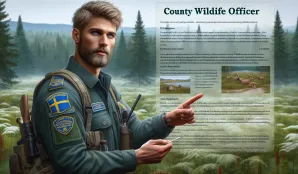
County Game Wardens work to manage and develop wildlife conservation within a county. The role involves advising and supporting authorities, landowners, and hunters on wildlife management, hunting regulations, and nature conservation. Tasks may include inventorying wildlife populations, handling protection hunting cases, coordinating training efforts, and advising on hunting legislation. County Game Wardens often participate in fieldwork, which can involve outdoor work in varying weather and terrain, but administrative tasks at an office also occur. Contact with the public and specialists is an important part of the profession, and the work environment is characterized by great variation and freedom under responsibility.
Salary development over time
County Game Wardens have experienced stable and positive salary growth over the past three years. In 2022, the average salary was 40,100 SEK per month, increasing to 43 100 SEK in 2023, corresponding to an increase of about 3.7%. In 2024, the average salary has continued upward to 44 800 SEK, representing a further increase of over 3.6% compared to the previous year. This development reflects an increased demand for specialist skills in wildlife management and a general salary adjustment within the nature sector. Higher education levels and increased complexity of tasks have also contributed to raising salaries, especially for those working in the public sector or with research qualifications. Salaries for women have increased at nearly the same rate as for men, although differences still exist.
County Game Warden Salary – Complete Overview
- Average salary: 44 800 SEK/month
- Lowest salary: 27,000 SEK/month (female, private sector, high school education)
- Highest salary: 48,300 SEK/month (male, public sector, research degree)
- Highest salary for women: 45,800 SEK/month
- Lowest salary for men: 33,000 SEK/month
- Hourly wage (average): 259 SEK
- Women's salary as a % of men's: 95%
- Regional differences: Salary levels may vary depending on county and employer, with larger differences noted between public and private sectors and education levels.
County Game Wardens often have the opportunity to influence wildlife management development at the regional level and work closely with both nature and people. It is a profession that combines fieldwork with advising and societal engagement, making the workdays varied and stimulating.
Education and Qualifications
To work as a County Game Warden, a higher education degree in biology, forestry, or nature conservation is usually required. The profession demands specialized knowledge in wildlife management, ecology, and legislation. Practical experience from hunting, nature conservation, and government work is advantageous, as well as good communication skills and experience in advising. Often, specific courses or certifications related to hunting and wildlife management are sought.
- Bachelor's degree in biology, forestry, or nature conservation (3 years)
- Specialized courses in wildlife management and hunting legislation
- Internship or trainee position at a government agency or organization
- Experience in hunting and nature conservation work
- Good communication and administrative skills
Common benefits and compensations
County Game Wardens are often offered benefits such as wellness allowances, company cars or mileage reimbursement for fieldwork, and opportunities for further education in nature conservation and management. Flexible working hours, pension schemes, and insurance through the employer are also common.
Competition and Challenges
The number of positions for County Game Wardens is limited, making competition for permanent jobs relatively high. The job market is influenced by regional and political priorities in nature conservation and wildlife management. A challenge is staying updated on legislation and environmental issues, as these change rapidly. The roles also require broad competence and the ability to handle complex interest conflicts among different stakeholders. The lack of public forecasts for this specific profession makes it difficult to predict future demand precisely, but there is generally a steady need for specialists in forestry and nature conservation.
Tips for aspiring County Game Wardens
To succeed as a County Game Warden, it is good to combine solid subject knowledge with practical experience in hunting and nature conservation. Strong engagement for environmental issues and wildlife management is essential, as well as the ability to communicate clearly with different target groups. Being analytical and meticulous helps with inventories and case handling, while teamwork and listening skills facilitate contact with landowners and authorities. Flexibility and independence are also important qualities, as the work often takes place both outdoors and in offices. Continual further education and building a network within the natural resource sector increase chances of employment and career development in the profession.
Key facts about County Game Wardens
- Education level: Bachelor's degree in biology, forestry, or nature conservation
- Work environment: Combination of fieldwork and office work
- Typical employment type: Permanent position with authorities or organizations
- Occupational group: Specialists and advisors within forestry
- Number of job openings: 360
Career paths and future prospects
After three to five years as a County Game Warden, career development can lead to leadership roles in wildlife management, such as coordinator or project manager for larger nature conservation efforts. There are also opportunities to specialize in research, education, or policy development related to hunting and wildlife management. The forecast from the Employment Service is uncertain due to limited data, but the number of job openings in the profession is relatively high. The demand for specialists in natural resource use and forestry is generally considered stable, especially with increasing focus on sustainability and biodiversity. Related professions include conservation biologist, game manager, or forest consultant.
Frequently asked questions about County Game Wardens
- What does a County Game Warden earn?
- The average salary is 44 800 SEK per month, with variation depending on experience, education, and employer. - What education is required to become a County Game Warden?
- Usually, a bachelor's degree in biology, forestry, or similar, along with specialized courses in wildlife management. - Are there gender pay differences?
- Yes, women earn approximately 95% of men's salaries in the profession. - What is the work environment like for a County Game Warden?
- The work involves a mix of fieldwork and administrative tasks, often with great variation and independence. - What are the future prospects?
- The outlook is uncertain, but there are about 360 job openings in the profession and a steady need for specialists. - What are the most common benefits?
- Benefits include wellness allowances, company cars, further training, and flexible working hours. - What are the highest and lowest salaries for a County Game Warden?
- The highest salary is 48,300 SEK and the lowest is 27,000 SEK, depending on gender, sector, and education.

Salary distributed by age and sector
| Age | Base salary | Monthly salary | |
|---|---|---|---|
| 25-34 | 95% | 38100 kr | 41400 kr |
| 35-44 | 100% | 42600 kr | 46100 kr |
| 45-54 | 105% | 42300 kr | 45100 kr |
| 55-64 | 43700 kr | 46800 kr | |
| Snitt | 95% | 41700 kr | 44800 kr |
| Age | Base salary | Monthly salary | |
|---|---|---|---|
| 18-24 | 92% | 28500 kr | 32300 kr |
| 25-34 | 103% | 33000 kr | 34400 kr |
| 35-44 | 99% | 38000 kr | 39700 kr |
| 45-54 | 102% | 39500 kr | 40300 kr |
| 55-64 | 103% | 42800 kr | 42900 kr |
| 65-68 | 45500 kr | 45600 kr | |
| Snitt | 98% | 38900 kr | 39800 kr |
| Age | Base salary | Monthly salary | |
|---|---|---|---|
| 18-24 | 92% | 28500 kr | 32300 kr |
| 25-34 | 103% | 33000 kr | 34400 kr |
| 35-44 | 99% | 38000 kr | 39700 kr |
| 45-54 | 102% | 39500 kr | 40300 kr |
| 55-64 | 103% | 42800 kr | 42900 kr |
| 65-68 | 45500 kr | 45600 kr | |
| Snitt | 98% | 38900 kr | 39800 kr |
| Age | Base salary | Monthly salary | |
|---|---|---|---|
| 25-34 | 95% | 38700 kr | 42200 kr |
| 35-44 | 101% | 43200 kr | 46900 kr |
| 45-54 | 42800 kr | 46000 kr | |
| 55-64 | 43800 kr | 47600 kr | |
| Snitt | 96% | 42200 kr | 45600 kr |
| Age | Base salary | Monthly salary | |
|---|---|---|---|
| 25-34 | 95% | 38700 kr | 42200 kr |
| 35-44 | 101% | 43200 kr | 46900 kr |
| 45-54 | 42800 kr | 46000 kr | |
| 55-64 | 43800 kr | 47600 kr | |
| Snitt | 96% | 42200 kr | 45600 kr |
| Age | Base salary | Monthly salary | |
|---|---|---|---|
| 25-34 | 95% | 38200 kr | 42200 kr |
| 35-44 | 100% | 42100 kr | 46200 kr |
| 45-54 | 105% | 41700 kr | 44600 kr |
| 55-64 | 44200 kr | 47600 kr | |
| Snitt | 95% | 41900 kr | 45400 kr |
| Age | Base salary | Monthly salary | |
|---|---|---|---|
| 18-24 | 92% | 27600 kr | 33800 kr |
| 25-34 | 103% | 32000 kr | 33900 kr |
| 35-44 | 99% | 36700 kr | 39900 kr |
| 45-54 | 102% | 38800 kr | 40100 kr |
| 55-64 | 103% | 42600 kr | 42700 kr |
| 65-68 | 46200 kr | 46400 kr | |
| Snitt | 98% | 38800 kr | 40200 kr |
| Age | Base salary | Monthly salary | |
|---|---|---|---|
| 18-24 | 92% | 27600 kr | 33800 kr |
| 25-34 | 103% | 32000 kr | 33900 kr |
| 35-44 | 99% | 36700 kr | 39900 kr |
| 45-54 | 102% | 38800 kr | 40100 kr |
| 55-64 | 103% | 42600 kr | 42700 kr |
| 65-68 | 46200 kr | 46400 kr | |
| Snitt | 98% | 38800 kr | 40200 kr |
| Age | Base salary | Monthly salary | |
|---|---|---|---|
| 25-34 | 95% | 38700 kr | 42900 kr |
| 35-44 | 101% | 42600 kr | 46800 kr |
| 45-54 | 42100 kr | 45200 kr | |
| 55-64 | 44500 kr | 48500 kr | |
| Snitt | 96% | 42300 kr | 46000 kr |
| Age | Base salary | Monthly salary | |
|---|---|---|---|
| 25-34 | 95% | 38700 kr | 42900 kr |
| 35-44 | 101% | 42600 kr | 46800 kr |
| 45-54 | 42100 kr | 45200 kr | |
| 55-64 | 44500 kr | 48500 kr | |
| Snitt | 96% | 42300 kr | 46000 kr |
| Age | Base salary | Monthly salary | |
|---|---|---|---|
| 25-34 | 95% | 38000 kr | 40000 kr |
| 35-44 | 100% | 44000 kr | 46000 kr |
| 45-54 | 105% | 44700 kr | 46900 kr |
| Snitt | 95% | 41100 kr | 43100 kr |
| Age | Base salary | Monthly salary | |
|---|---|---|---|
| 18-24 | 92% | 29200 kr | 31200 kr |
| 25-34 | 103% | 34100 kr | 35000 kr |
| 35-44 | 99% | 39500 kr | 39600 kr |
| 45-54 | 102% | 40600 kr | 40700 kr |
| 55-64 | 103% | 43800 kr | 43800 kr |
| Snitt | 98% | 38900 kr | 39200 kr |
| Age | Base salary | Monthly salary | |
|---|---|---|---|
| 18-24 | 92% | 29200 kr | 31200 kr |
| 25-34 | 103% | 34100 kr | 35000 kr |
| 35-44 | 99% | 39500 kr | 39600 kr |
| 45-54 | 102% | 40600 kr | 40700 kr |
| 55-64 | 103% | 43800 kr | 43800 kr |
| Snitt | 98% | 38900 kr | 39200 kr |
| Age | Base salary | Monthly salary | |
|---|---|---|---|
| 25-34 | 95% | 38500 kr | 40700 kr |
| 35-44 | 101% | 45000 kr | 47400 kr |
| Snitt | 96% | 41700 kr | 44000 kr |
| Age | Base salary | Monthly salary | |
|---|---|---|---|
| 25-34 | 95% | 38500 kr | 40700 kr |
| 35-44 | 101% | 45000 kr | 47400 kr |
| Snitt | 96% | 41700 kr | 44000 kr |

About the data
All information displayed on this page is based on data from the Swedish Central Bureau of Statistics (SCB), the Swedish Tax Agency and the Swedish employment agency. Learn more about our data and data sources here.
All figures are gross salaries, meaning salaries before tax. The average salary, or mean salary, is calculated by adding up the total salary for all individuals within the profession and dividing it by the number of individuals. For specific job categories, we have also considered various criteria such as experience and education.
Profession County hunting caretaker has the SSYK code 2135, which we use to match against the SCB database to obtain the latest salary statistics.
-

Forest Consultant for Northern Jämtland District
Specialists and advisors in forestry
Wed, 8 Jul 2026 - 00:28 -
Forest Consultant for Supervision Team Jämtland
Specialists and advisors in forestry
Tue, 7 Jul 2026 - 21:56 -
Forest Consultant for Supervision Team Jämtland – Swedish Forest Agency
Specialists and advisors in forestry
Tue, 7 Jul 2026 - 21:44 -
Coordinator for WIFORCE – Sweden's Largest Forest Science Research Program
Specialists and advisors in forestry
Fri, 3 Jul 2026 - 02:32 -
Forestry Consultant with Cultural Heritage Competence in South Sweden
Specialists and advisors in forestry
Thu, 2 Jul 2026 - 21:39
Compare salary, work tasks and job outlook in adjacent occupations to find roles with similar skills or pay levels.
-

Average salary: 28 200 SEK/month • Naturbruk
Berry pickers and planters etc.
Compare with County hunting caretaker
Mon, 13 Jul 2026 - 20:12 -
Average salary: 30 200 SEK/month • Naturbruk
Horticulturists
Compare with County hunting caretaker
Tue, 14 Jul 2026 - 08:19 -

Average salary: 44 800 SEK/month • Naturbruk
Specialists and advisors in forestry
Compare with County hunting caretaker
Tue, 14 Jul 2026 - 06:03 -

Tractor driver, forestry salary
Average salary: 33 500 SEK/month • Naturbruk
Operators of agricultural and forestry machinery
Compare with County hunting caretaker
Mon, 13 Jul 2026 - 15:51 -

Operations manager, agriculture, horticulture salary
Average salary: 30 200 SEK/month • Naturbruk
Horticulturists
Compare with County hunting caretaker
Mon, 13 Jul 2026 - 06:56 -

Tractor driver, agriculture salary
Average salary: 33 500 SEK/month • Naturbruk
Operators of agricultural and forestry machinery
Compare with County hunting caretaker
Sun, 12 Jul 2026 - 20:17


