- Salary statistics
- Chaser salary
Chaser salary
Latest available salary statistics are for 2025. Compare average pay, salary range and related job listings.
36 607 - 36 738 SEK / month
Hantverksyrken
Related tools
Salary progression Chaser
What does a ciselör do? – Tasks and work environment
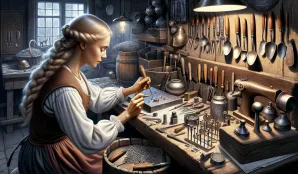
A ciselör works with shaping and decorating metal objects, often in precious metals such as silver and gold. The main tasks involve processing surfaces by hammering, engraving, and chiseling detailed patterns and motifs. This craft requires great precision and patience, as even small mistakes can affect the final result. Ciselörer can be found in small studios and larger workshops, working on everything from jewelry to art objects and restoration of antique items. The work environment is characterized by concentration and meticulousness, often with long working hours at the workbench and use of specialized tools.
Salary development over time
The salary for ciselörer has shown stable growth over the past three years. In 2022, the average salary was 34,382 SEK per month, then increased slightly to 34 807 SEK in 2023. The latest measured average salary for 2024 is 36 738 SEK per month. The total increase corresponds to a salary change of approximately 1.2% over the period. This slow but steady increase indicates a relatively constant demand and low turnover in the profession, typical for specialized crafts where the supply of trained workers is limited and the job market small-scale. Market factors such as increased demand for unique handcrafted products and the preservation of traditional techniques can influence salary levels in the long term.
Ciselör salary – complete overview
- Average salary: 36 738 SEK/month
- Lowest/Highest salary: No available data
- Hourly wage: 209 SEK
- Gender differences: Data unavailable
- Regional differences: Data unavailable
Education and qualifications
The path to becoming a ciselör typically involves vocational training in metal and smithing, often with a focus on goldsmithing and silversmithing where engraving is a specialized area. Practical skills and artistic sense are central, and many combine formal education with apprenticeships to deepen their craft skills. Since the profession is narrow and specialized, it is common to supplement with courses or self-study to develop techniques and style.
- Vocational training in goldsmithing and silversmithing: 2–3 years
- Special courses in ciselering: Common at folk high schools and art schools
- Internship or apprenticeship: Strongly recommended for professional skill development
- Artistic sense and patience: Important personal qualities
- Prerequisites: Basic craftsmanship skills and interest in metalwork
The work of a ciselör often requires close collaboration with other craftsmen, such as jewelers and art smiths, especially on larger projects or restorations of cultural-historical objects. Being able to communicate and understand different professional roles within the craft chain is therefore a great asset.
Common benefits and compensations
Ciselörer may be offered benefits such as wellness allowances, insurance, work clothing, and access to specialized workshop equipment. In larger companies, pension contributions, skills development, and opportunities for further training may also be available. Self-employed individuals are usually responsible for their own benefits and insurance.
Competition and challenges
Competition within the ciselör profession is characterized by limited job opportunities and a small but skilled workforce. Challenges include finding stable clients and continuously developing techniques to meet new trends in art crafts and design. Digitalization and automation have reduced demand for traditional craftsmanship in some areas, but there is also increasing interest in unique and handmade products. Since training paths are few and the job market is narrow, persistence and creativity are often required for long-term establishment.
Tips for those who want to become a ciselör
To succeed as a ciselör, it is good to develop a strong sense of detail, as precision is crucial in every step. Being patient and meticulous helps you manage the long and often repetitive processes required in the profession. Creativity is a valuable asset when creating your own patterns or solving technical challenges. Build a network within the craft industry, as collaboration and contacts can lead to new assignments and development opportunities. Take the initiative to internships or apprenticeships to gain valuable experience and guidance from established professionals. Stay updated on current techniques by participating in courses and fairs, and dare to showcase your work in various contexts to build your own customer base.
Key facts about a ciselör
- Education level: Vocational training in goldsmithing and silversmithing, 2–3 years
- Work environment: Workshop or studio, often small-scale
- Work form: Self-employed or employed by a smithy/workshop
- Demand: 341 available jobs within the trade group
- Special skills: Ciselering, engraving, and metalworking
Career paths and future prospects
After three to five years as a ciselör, there are opportunities to develop towards more advanced assignments, such as restoring cultural objects or fulfilling special orders from museums and collectors. Some choose to start their own business and build a customer base, while others further their education in related crafts such as jewelry making or art smithing. Forecasts from the Swedish Public Employment Service for the trade group of goldsmiths and silversmiths are uncertain due to limited data, but there is steady demand for specialized skills. The profession’s narrow scope and long training requirements mean that competition for available positions is relatively low, while the number of jobs is limited. Niche expertise and the ability to adapt to new techniques increase employment opportunities.
Frequently asked questions about a ciselör
- What does a ciselör earn?
- The average salary for a ciselör is 36 738 SEK per month. - How to become a ciselör?
- The most common path is to complete a vocational training in goldsmithing and silversmithing, followed by an internship or apprenticeship. - Are there many job openings for ciselör?
- Within the trade group of goldsmiths and silversmiths, there are 341 available jobs, but the number of specific positions as a ciselör is limited. - What personal qualities are important for a ciselör?
- Attention to detail, patience, and artistic sense are particularly valuable qualities in the profession. - Where do ciselörer work?
- Ciselörer often work in smithies, workshops, studios, or as self-employed. - What are the future prospects for a ciselör?
- Projections are difficult to provide, but there is steady demand for craftsmanship skills within the trade group.

Salary distributed by age and sector

About the data
All information displayed on this page is based on data from the Swedish Central Bureau of Statistics (SCB), the Swedish Tax Agency and the Swedish employment agency. Learn more about our data and data sources here.
All figures are gross salaries, meaning salaries before tax. The average salary, or mean salary, is calculated by adding up the total salary for all individuals within the profession and dividing it by the number of individuals. For specific job categories, we have also considered various criteria such as experience and education.
Profession Chaser has the SSYK code 7312, which we use to match against the SCB database to obtain the latest salary statistics.
-

Goldsmith at Haileys Jewelry House – Restoration & Repair
Gold and silversmiths
Wed, 13 May 2026 - 00:47



Compare salary, work tasks and job outlook in adjacent occupations to find roles with similar skills or pay levels.
-

Average salary: 34 000 SEK/month • Hantverksyrken
Musical instrument makers and other artisans
Compare with Chaser
Tue, 14 Jul 2026 - 19:58 -

Average salary: 35 000 SEK/month • Hantverksyrken
Glass technicians
Compare with Chaser
Tue, 14 Jul 2026 - 19:52 -

Average salary: 33 100 SEK/month • Hantverksyrken
Tailors and atelier seamstresses etc.
Compare with Chaser
Tue, 14 Jul 2026 - 19:33 -

Average salary: 35 000 SEK/month • Hantverksyrken
Glass technicians
Compare with Chaser
Tue, 14 Jul 2026 - 17:12 -

Average salary: 33 600 SEK/month • Hantverksyrken
Bakers and pastry chefs
Compare with Chaser
Tue, 14 Jul 2026 - 13:04 -

Average salary: 40 900 SEK/month • Hantverksyrken
Precision mechanics
Compare with Chaser
Tue, 14 Jul 2026 - 11:55


