- Salary statistics
- Charger, chemical industry salary
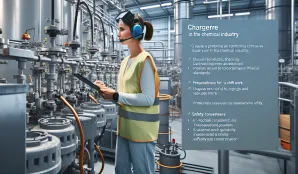
Charger, chemical industry salary
Latest available salary statistics are for 2025. Compare average pay, salary range and related job listings.
38 000 - 43 000 SEK / month
Women earn 92% of what men do.
Installation & drift/underhåll
Related tools
Salary progression Charger, chemical industry
What does a charger in the chemical industry do? – Tasks and work environment
A charger in the chemical industry is responsible for monitoring and controlling processes during the manufacturing and handling of chemicals. The role involves working at large industrial facilities, preparing and loading raw materials into reactors, controlling flows, adjusting machinery, and ensuring production follows safety regulations. The work environment is typically industrial and may involve shift work, sometimes at inconvenient hours. Precision, safety awareness, and the ability to handle deviations quickly are crucial qualities in this role.
Salary development over time
The salary for chargers in the chemical industry has shown stable and positive growth over the past three years. In 2022, the average salary was 37,500 SEK per month. The following year, it increased to 40 500 SEK, which is approximately a 6.4% increase. Between 2023 and 2024, the salary rose further to 41 200 SEK, about a 1.5% increase. The trend indicates that demand for qualified personnel and increased complexity in tasks may have contributed to the salary increases, although the pace of growth has slowed in the last year. Gender differences remain, with men generally earning more than women in the profession.
Charger, chemical industry salary – comprehensive overview
- Average salary: 41 200 SEK/month
- Lowest salary: 37,500 SEK/month (female, private sector employee, post-secondary education shorter than 3 years)
- Highest salary: 42,200 SEK/month (male, private sector employee, post-secondary education at least 3 years)
- Hourly wage: 243 SEK
- Gender differences: Men 41 900 SEK, women 38 400 SEK (women earn 92% of men's salary)
- Regional differences: Information on regional differences is not available
Education and qualifications
To work as a charger in the chemical industry, a high school education in process or chemical engineering is usually required. Many employers also seek post-secondary courses or certifications, especially related to safety and process control. Practical experience in industrial settings can be highly advantageous, and some companies offer internal trainee programs for new employees.
- High school education: Industrial technical programs with specialization in process or chemical engineering
- Post-secondary courses: Process and safety training, often 1–2 years
- Certifications: Safety certificates and chemical handling certifications
- Internship/trainee: Industry internships or trainee programs increase employability
- Prerequisites: Technical interest, precision, and good physics skills
Working as a charger can provide good opportunities for further development within the process industry, such as moving towards operations technician or supervisory roles. Many employers invest in internal skills development and further training to retain experienced staff.
Common benefits and compensation
Employees working as chargers in the chemical industry are often offered benefits such as extra vacation days, shift and overtime pay, wellness contributions, and opportunities for skills development. Occupational pensions and insurance are generally included in collective agreements, and modern workplaces sometimes offer subsidized lunches and staff discounts.
Competition and challenges
The competition for positions as a charger in the chemical industry is considered moderate, as the profession requires specific technical knowledge and experience from process industries. Challenges often include staying updated with new safety regulations and technological innovations, as well as working under time pressure and in shifts. The physical work environment and exposure to chemicals demand high precision and proper protective equipment. Despite the lack of exact statistics on recruitment, the availability of 481 job openings in the group indicates good employment opportunities.
Tips for those who want to become a charger in the chemical industry
To succeed as a charger, it is beneficial to combine technical interest with a careful and safety-conscious attitude. Gaining practical experience through internships during education increases chances of employment. Flexibility is important, as shift work and irregular hours are common. Resilience and problem-solving skills are highly valued, especially during operational disruptions. Continuing education in process and safety technology is recommended to remain competitive. Social skills facilitate teamwork and contribute to a safe work environment. Lastly, always following safety routines and paying attention to details are crucial.
Key facts about chargers in the chemical industry
- Education level: High school or post-secondary education in process or chemical engineering
- Work environment: Industrial, often shift work
- Demand: 481 available jobs in the group
- Gender distribution: Men earn on average 41 900 SEK, women 38 400 SEK
- Special skills: Safety certifications and process monitoring
Career paths and future prospects
After gaining some experience as a charger in the chemical industry, there are opportunities to advance to roles such as operations technician, process operator, or supervisor. Some choose to further their education in process technology or leadership to take on greater responsibilities. The employment agency’s forecast for the process supervisor group in the chemical industry is uncertain due to limited data, but the number of available jobs suggests a relatively healthy job market. Industry development and increased focus on safety and automation may create new opportunities for those who wish to specialize or move into more advanced technical roles.
Frequently asked questions about chargers in the chemical industry
- What does a charger in the chemical industry earn?
- The average salary is 41 200 SEK per month. Men earn 41 900 SEK and women 38 400 SEK. - What education is required to become a charger in the chemical industry?
- High school education in process or chemical engineering is recommended, preferably supplemented with post-secondary courses and safety certifications. - Are there many job openings in this profession?
- Yes, there are 481 available jobs within the process supervisor group in the chemical industry. - What is the work environment like for chargers?
- The work takes place in an industrial environment, often with shift work and high safety requirements. - What are the most common benefits?
- Common benefits include overtime pay, wellness contributions, occupational pension, and opportunities for skills development. - Are there wage differences between men and women?
- Yes, women earn 92% of men's salaries in this profession.

Salary distributed by age and sector
| Age | Base salary | Monthly salary | |
|---|---|---|---|
| 18-24 | 96% | 31200 kr | 36500 kr |
| 25-34 | 95% | 34200 kr | 40100 kr |
| 35-44 | 90% | 35400 kr | 41300 kr |
| 45-54 | 92% | 36800 kr | 43100 kr |
| 55-64 | 91% | 37200 kr | 43400 kr |
| Snitt | 92% | 35200 kr | 41200 kr |
| Age | Base salary | Monthly salary | |
|---|---|---|---|
| 18-24 | 96% | 31200 kr | 36500 kr |
| 25-34 | 95% | 34200 kr | 40100 kr |
| 35-44 | 90% | 35400 kr | 41300 kr |
| 45-54 | 92% | 36800 kr | 43100 kr |
| 55-64 | 91% | 37200 kr | 43400 kr |
| Snitt | 92% | 35200 kr | 41200 kr |
| Age | Base salary | Monthly salary | |
|---|---|---|---|
| 18-24 | 96% | 31200 kr | 36500 kr |
| 25-34 | 95% | 34200 kr | 40100 kr |
| 35-44 | 90% | 35400 kr | 41300 kr |
| 45-54 | 92% | 36800 kr | 43100 kr |
| 55-64 | 91% | 37200 kr | 43400 kr |
| Snitt | 92% | 35200 kr | 41200 kr |
| Age | Base salary | Monthly salary | |
|---|---|---|---|
| 18-24 | 96% | 30900 kr | 36900 kr |
| 25-34 | 95% | 34200 kr | 40500 kr |
| 35-44 | 90% | 35800 kr | 42300 kr |
| 45-54 | 92% | 37300 kr | 43800 kr |
| 55-64 | 91% | 37600 kr | 44100 kr |
| Snitt | 92% | 35500 kr | 41900 kr |
| Age | Base salary | Monthly salary | |
|---|---|---|---|
| 18-24 | 96% | 30900 kr | 36900 kr |
| 25-34 | 95% | 34200 kr | 40500 kr |
| 35-44 | 90% | 35800 kr | 42300 kr |
| 45-54 | 92% | 37300 kr | 43800 kr |
| 55-64 | 91% | 37600 kr | 44100 kr |
| Snitt | 92% | 35500 kr | 41900 kr |
| Age | Base salary | Monthly salary | |
|---|---|---|---|
| 18-24 | 96% | 30900 kr | 36900 kr |
| 25-34 | 95% | 34200 kr | 40500 kr |
| 35-44 | 90% | 35800 kr | 42300 kr |
| 45-54 | 92% | 37300 kr | 43800 kr |
| 55-64 | 91% | 37600 kr | 44100 kr |
| Snitt | 92% | 35500 kr | 41900 kr |
| Age | Base salary | Monthly salary | |
|---|---|---|---|
| 18-24 | 96% | 31800 kr | 35500 kr |
| 25-34 | 95% | 34200 kr | 38700 kr |
| 35-44 | 90% | 34100 kr | 37900 kr |
| 45-54 | 92% | 35100 kr | 40200 kr |
| 55-64 | 91% | 35300 kr | 40000 kr |
| Snitt | 92% | 34100 kr | 38400 kr |
| Age | Base salary | Monthly salary | |
|---|---|---|---|
| 18-24 | 96% | 31800 kr | 35500 kr |
| 25-34 | 95% | 34200 kr | 38700 kr |
| 35-44 | 90% | 34100 kr | 37900 kr |
| 45-54 | 92% | 35100 kr | 40200 kr |
| 55-64 | 91% | 35300 kr | 40000 kr |
| Snitt | 92% | 34100 kr | 38400 kr |
| Age | Base salary | Monthly salary | |
|---|---|---|---|
| 18-24 | 96% | 31800 kr | 35500 kr |
| 25-34 | 95% | 34200 kr | 38700 kr |
| 35-44 | 90% | 34100 kr | 37900 kr |
| 45-54 | 92% | 35100 kr | 40200 kr |
| 55-64 | 91% | 35300 kr | 40000 kr |
| Snitt | 92% | 34100 kr | 38400 kr |

About the data
All information displayed on this page is based on data from the Swedish Central Bureau of Statistics (SCB), the Swedish Tax Agency and the Swedish employment agency. Learn more about our data and data sources here.
All figures are gross salaries, meaning salaries before tax. The average salary, or mean salary, is calculated by adding up the total salary for all individuals within the profession and dividing it by the number of individuals. For specific job categories, we have also considered various criteria such as experience and education.
Profession Charger, chemical industry has the SSYK code 8192, which we use to match against the SCB database to obtain the latest salary statistics.
-

Process Operator in Södertälje – Shift Work
Process supervisors, chemical industry
Fri, 10 Jul 2026 - 20:41 -
Process Operator in Södertälje – Shift Work with Possibility of Extension
Process supervisors, chemical industry
Fri, 10 Jul 2026 - 20:40 -
Process Operator in Södertälje – Shift Work & Development
Process supervisors, chemical industry
Fri, 10 Jul 2026 - 20:40 -

Column Production Process Operator – Uppsala (Consultancy Role)
Process supervisors, chemical industry
Thu, 9 Jul 2026 - 21:06
Compare salary, work tasks and job outlook in adjacent occupations to find roles with similar skills or pay levels.
-

Process operator, lead cold and refining plant salary
Average salary: 39 300 SEK/month • Installation & drift/underhåll
Process supervisors, metal production
Compare with Charger, chemical industry
Tue, 14 Jul 2026 - 08:18 -

Average salary: 27 300 SEK/month • Installation & drift/underhåll
Other service workers
Compare with Charger, chemical industry
Tue, 14 Jul 2026 - 09:21 -

Average salary: 39 300 SEK/month • Installation & drift/underhåll
Process supervisors, metal production
Compare with Charger, chemical industry
Tue, 14 Jul 2026 - 10:55 -

Average salary: 41 000 SEK/month • Installation & drift/underhåll
Industrial electricians
Compare with Charger, chemical industry
Tue, 14 Jul 2026 - 10:26 -

Average salary: 35 500 SEK/month • Installation & drift/underhåll
Motor vehicle mechanics and repairers
Compare with Charger, chemical industry
Tue, 14 Jul 2026 - 07:13 -

Electrical repair, installation salary
Average salary: 39 600 SEK/month • Installation & drift/underhåll
Installation and service electricians
Compare with Charger, chemical industry
Tue, 14 Jul 2026 - 02:58


