- Salary statistics
- Bandsaws, wood fiber boards salary
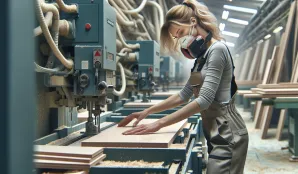
Bandsaws, wood fiber boards salary
Latest available salary statistics are for 2025. Compare average pay, salary range and related job listings.
36 700 - 39 200 SEK / month
Women earn 95% of what men do.
Industriell tillverkning
Related tools
Salary progression Bandsaws, wood fiber boards
What does a bandsaw operator in wood fiberboards do? – Tasks and working environment
Wood fiberboard bandsaw operators are responsible for handling and monitoring bandsaws in industrial environments where wood fiberboards are produced and processed. Tasks include setting up, adjusting, and maintaining the saws, ensuring the material is cut to precise measurements, and inspecting the final product quality. The work often takes place in factories or sawmills with high demands for precision and safety. The environment can be noisy and dusty, making it important to follow safety regulations and wear protective gear.
Salary development over time
The salary development for bandsaw operators specializing in wood fiberboards has been positive in recent years. In 2022, the average salary was 33,600 SEK per month, increasing to 36 800 SEK in 2023. In 2024, the average salary has risen further to 38 300 SEK. This represents a total increase of approximately 9.5% over three years, which is a stronger growth than many other industrial professions. Factors driving this increase include rising demand for wood-based materials, technological advancements in production, and a growing focus on sustainability and quality. The salary increase may also be due to employers wanting to retain experienced operators in a field where skills and safety are crucial.
Complete overview of salaries for bandsaw operators in wood fiberboards
- Average salary: 38 300 SEK/month
- Lowest salary: 35,400 SEK/month (female), 36,600 SEK/month (male)
- Highest salary: 36,700 SEK/month (female), 37,400 SEK/month (male)
- Hourly wage: 221 SEK/hour (based on 166 hours/month)
- Gender differences: Women earn 95% of what men do
- Regional differences: Highest salaries are found within the regional sector
Education and qualifications
To work as a bandsaw operator in wood fiberboards, a high school education in industry, wood technology, or production is usually required. Many employers also seek practical experience with machinery handling and safety procedures. Additional courses and certifications in machine safety or quality control are advantageous and can improve employment prospects.
- High school vocational training: Industry, wood technology, or production (3 years)
- Certifications: Machine safety, occupational health and safety, quality control
- Internship: Internship at sawmills or industrial production is recommended
- Prerequisites: Good knowledge of mathematics and technology
- Tips: Extra courses in CNC control or automation can be beneficial
Working as a bandsaw operator requires not only technical skill but also high concentration, as small mistakes can affect the entire production. Many workplaces offer internal training to quickly introduce new staff to specific machines and processes. This makes the profession accessible even for those wishing to change careers later in life.
Common benefits and compensations
Workers in the wood fiberboard industry often receive collective agreement benefits such as occupational pension, insurance, and wellness allowances. Shift work occurs and can provide additional pay. Other common benefits include work clothing, subsidized lunches, and opportunities for skill development within the company.
Challenges and competition
The job market for bandsaw operators in wood fiberboards is characterized by stable demand, but competition can vary depending on region and economic conditions. A challenge is that the profession requires continuous updating of skills as technology advances, especially within automation and digital monitoring of machines. The industry places high demands on safety and quality awareness, meaning small mistakes can have significant consequences. Shift work is also common, which can affect work-life balance. Since the working environment can be physically demanding and noisy, good health and attentiveness are required. Additionally, gender pay gaps and representation are ongoing challenges that the industry is working to improve.
Tips for aspiring bandsaw operators in wood fiberboards
To succeed as a bandsaw operator in wood fiberboards, it is important to be precise and safety-conscious, as the work requires proper machine handling and adherence to safety regulations. Good technical understanding helps with quickly learning new machines and methods, which is vital in a field with continuous technological development. Flexibility and the ability to work shifts are often advantageous, as production can run around the clock. Teamwork skills are highly valued, since the work is done in teams and requires smooth communication among colleagues. Finally, a sense of responsibility is crucial, as the quality of the final product and workplace safety often depend on you.
Key facts about bandsaw operators in wood fiberboards
- Education level: High school education with industrial or wood technology specialization
- Work environment: Industrial setting with noise and dust, high safety standards
- Work form: Shift work common, often covered by collective agreements
- Demand: 1,437 job openings according to current statistics
- Special skills: Machine safety, quality control, technical handling
Career paths and future prospects
After a few years of experience as a bandsaw operator in wood fiberboards, there are opportunities to advance to roles such as supervisor, production planner, or technician within the wood industry. Some choose to further their education in automation or CNC technology to move into more advanced operator roles. According to the Swedish Public Employment Service's forecasts, there is no specific prediction for this exact profession, but the broader occupational group “operators in sawmills, planing mills, and plywood” shows stable demand with over 1,400 job openings. The industry is influenced by economic cycles and investments in the wood sector, but the sustainability trend and technological development suggest continued demand for skilled bandsaw operators in the future.
Common questions about bandsaw operators in wood fiberboards
- What does a bandsaw operator in wood fiberboards earn?
- The average salary is 38 300 SEK per month, with variations depending on experience, gender, and sector. - What education is required to become a bandsaw operator?
- High school education in industry or wood technology is most common, often supplemented with practical training and certifications. - Are there salary differences between men and women?
- Yes, women earn on average 95% of what men do in the profession. - What is the working environment like for bandsaw operators?
- Work takes place in industrial environments with noise and dust, requiring high safety standards and protective gear. - What career opportunities are available after a few years?
- Opportunities include advancing to supervisor, technician, or further education within automation. - What are the job prospects for the profession?
- There are over 1,400 job openings in the occupational group, but no specific forecast for bandsaw operators in wood fiberboards. - What is the highest and lowest salary for the profession?
- The highest salary is 37,400 SEK (male, regional sector), the lowest is 35,400 SEK (female, various sectors).

Salary distributed by age and sector
| Age | Base salary | Monthly salary | |
|---|---|---|---|
| 18-24 | 96% | 32000 kr | 36600 kr |
| 25-34 | 97% | 33700 kr | 38400 kr |
| 35-44 | 95% | 33900 kr | 38100 kr |
| 45-54 | 34400 kr | 38700 kr | |
| 55-64 | 34800 kr | 39000 kr | |
| Snitt | 95% | 33900 kr | 38300 kr |
| Age | Base salary | Monthly salary | |
|---|---|---|---|
| 18-24 | 96% | 32000 kr | 36600 kr |
| 25-34 | 97% | 33700 kr | 38400 kr |
| 35-44 | 95% | 33900 kr | 38100 kr |
| 45-54 | 34400 kr | 38700 kr | |
| 55-64 | 34800 kr | 39000 kr | |
| Snitt | 95% | 33900 kr | 38300 kr |
| Age | Base salary | Monthly salary | |
|---|---|---|---|
| 18-24 | 96% | 32000 kr | 36600 kr |
| 25-34 | 97% | 33700 kr | 38400 kr |
| 35-44 | 95% | 33900 kr | 38100 kr |
| 45-54 | 34400 kr | 38700 kr | |
| 55-64 | 34800 kr | 39000 kr | |
| Snitt | 95% | 33900 kr | 38300 kr |
| Age | Base salary | Monthly salary | |
|---|---|---|---|
| 18-24 | 96% | 32200 kr | 37000 kr |
| 25-34 | 97% | 33800 kr | 38600 kr |
| 35-44 | 95% | 34100 kr | 38400 kr |
| 45-54 | 34500 kr | 38900 kr | |
| 55-64 | 34900 kr | 39200 kr | |
| Snitt | 95% | 34100 kr | 38600 kr |
| Age | Base salary | Monthly salary | |
|---|---|---|---|
| 18-24 | 96% | 32200 kr | 37000 kr |
| 25-34 | 97% | 33800 kr | 38600 kr |
| 35-44 | 95% | 34100 kr | 38400 kr |
| 45-54 | 34500 kr | 38900 kr | |
| 55-64 | 34900 kr | 39200 kr | |
| Snitt | 95% | 34100 kr | 38600 kr |
| Age | Base salary | Monthly salary | |
|---|---|---|---|
| 18-24 | 96% | 32200 kr | 37000 kr |
| 25-34 | 97% | 33800 kr | 38600 kr |
| 35-44 | 95% | 34100 kr | 38400 kr |
| 45-54 | 34500 kr | 38900 kr | |
| 55-64 | 34900 kr | 39200 kr | |
| Snitt | 95% | 34100 kr | 38600 kr |
| Age | Base salary | Monthly salary | |
|---|---|---|---|
| 18-24 | 96% | 31000 kr | 35600 kr |
| 25-34 | 97% | 33100 kr | 37300 kr |
| 35-44 | 95% | 33300 kr | 36600 kr |
| Snitt | 95% | 32900 kr | 36800 kr |
| Age | Base salary | Monthly salary | |
|---|---|---|---|
| 18-24 | 96% | 31000 kr | 35600 kr |
| 25-34 | 97% | 33100 kr | 37300 kr |
| 35-44 | 95% | 33300 kr | 36600 kr |
| Snitt | 95% | 32900 kr | 36800 kr |
| Age | Base salary | Monthly salary | |
|---|---|---|---|
| 18-24 | 96% | 31000 kr | 35600 kr |
| 25-34 | 97% | 33100 kr | 37300 kr |
| 35-44 | 95% | 33300 kr | 36600 kr |
| Snitt | 95% | 32900 kr | 36800 kr |

About the data
All information displayed on this page is based on data from the Swedish Central Bureau of Statistics (SCB), the Swedish Tax Agency and the Swedish employment agency. Learn more about our data and data sources here.
All figures are gross salaries, meaning salaries before tax. The average salary, or mean salary, is calculated by adding up the total salary for all individuals within the profession and dividing it by the number of individuals. For specific job categories, we have also considered various criteria such as experience and education.
Profession Bandsaws, wood fiber boards has the SSYK code 8173, which we use to match against the SCB database to obtain the latest salary statistics.
-

Production Technician in Gnosjö – Start Week 34
Operators in sawmills, planing mills and plywood etc.
Mon, 6 Jul 2026 - 22:52 -

Boiler and Drying Operator at Sävar Sawmill
Operators in sawmills, planing mills and plywood etc.
Thu, 2 Jul 2026 - 09:12 -

Sawmill Operator at Södra Wood in Ivaberg
Operators in sawmills, planing mills and plywood etc.
Tue, 30 Jun 2026 - 21:21 -

Operators in sawmills, planing mills and plywood etc.
Mon, 29 Jun 2026 - 22:30 -

Operator with Maintenance Experience for Pellet Plant in Ruda
Operators in sawmills, planing mills and plywood etc.
Mon, 29 Jun 2026 - 22:29
Compare salary, work tasks and job outlook in adjacent occupations to find roles with similar skills or pay levels.
-

Average salary: 34 700 SEK/month • Industriell tillverkning
Machine carpenters and machine operators, wood industry
Compare with Bandsaws, wood fiber boards
Tue, 14 Jul 2026 - 18:49 -

Machine operator, photographic products salary
Average salary: 42 600 SEK/month • Industriell tillverkning
Machine operators, chemical technology and photographic products
Compare with Bandsaws, wood fiber boards
Tue, 14 Jul 2026 - 21:28 -

Average salary: 35 300 SEK/month • Industriell tillverkning
Prepress technicians
Compare with Bandsaws, wood fiber boards
Tue, 14 Jul 2026 - 20:05 -

Average salary: 32 200 SEK/month • Industriell tillverkning
Other machine operators, textile, leather and leather industry
Compare with Bandsaws, wood fiber boards
Tue, 14 Jul 2026 - 22:29 -

Average salary: 35 700 SEK/month • Industriell tillverkning
Vehicle assemblers
Compare with Bandsaws, wood fiber boards
Tue, 14 Jul 2026 - 23:45 -

Average salary: 36 300 SEK/month • Industriell tillverkning
Machine setters and machine operators, metal work
Compare with Bandsaws, wood fiber boards
Tue, 14 Jul 2026 - 17:55


