- Salary statistics
- Automatic attendants, goods salary
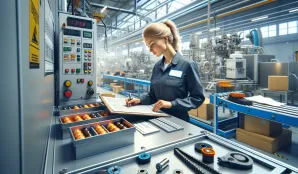
Automatic attendants, goods salary
Latest available salary statistics are for 2025. Compare average pay, salary range and related job listings.
25 800 - 36 300 SEK / month
Women earn 100% of what men do.
Installation & drift/underhåll
Related tools
Salary progression Automatic attendants, goods
What does an automation operator in goods handling do? – Tasks and work environment
An automation operator in goods handling is responsible for monitoring, operating, and maintaining automated machinery and equipment used for handling, packing, or sorting goods in various types of production and warehouse facilities. The work involves ensuring that machines operate without interruption, quickly fixing minor technical faults, and refilling materials as needed. The work environment is often industrial and can be noisy, requiring physical presence at the machines, while demanding precision and the ability to follow instructions. Shift work is common, especially in larger warehouses and production plants operating around the clock.
Salary development over time
The salary for automation operators in goods handling has shown steady and positive growth over the past three years. In 2022, the average salary was 25,000 SEK per month, increasing to 26 600 SEK in 2023. In 2024, the average salary is 27 300 SEK per month. This represents a salary increase of approximately 6.4% over the period. This trend can be linked to increased automation within logistics and production, which has heightened the demand for qualified personnel capable of managing and maintaining advanced equipment. The salary trend also reflects the general wage development within the service and industrial sectors, where collective bargaining negotiations and labor shortages in certain regions have contributed to positive salary growth.
Automation operator, goods handling salary – comprehensive overview
- Average salary: 27 300 SEK/month
- Lowest salary: 25,500 SEK/month (female, private office worker)
- Highest salary: 35,100 SEK/month (female, private worker, education shorter than 3 years)
- Hourly wage: 160 SEK
- Gender differences: Women earn 100% of what men do (men 27 300 SEK, women 27 200 SEK)
- Regional differences: Salaries may vary depending on region and employer, but data shows that the salary level generally follows the national average.
Education and qualifications
To work as an automation operator in goods handling, a high school diploma is usually required, often with a focus on technology, industrial engineering, or automation. Many employers also offer internal training to ensure staff have the right knowledge of specific machines and processes. Practical experience from industry or warehousing is advantageous and can sometimes outweigh formal education. For some workplaces, certificates or licenses for forklift operation and safety training may also be required.
- High school education: Industrial technology program or similar (3 years)
- Internal training: Often provided upon employment
- Certificates: Forklift license and safety training may be required
- Practical experience: Valued from warehousing, production, or maintenance
- Prerequisites: Basic technical interest and accuracy
Automation operators in goods handling often have the opportunity to work with the latest technology in logistics and production. The profession provides good insight into how modern warehousing and automation are transforming the industry, which is valuable for those looking to develop further within technology or logistics.
Common benefits and compensations
Automation operators in goods handling are often covered by collective agreements, granting access to benefits such as occupational pension, shift allowances, wellness grants, and work clothing. Many employers also offer work uniforms, opportunities for further training, and sometimes bonuses linked to production goals or efficiency.
Competition and challenges
The job market for automation operators in goods handling is stable with some competition, especially in regions with many logistics centers and production facilities. Increasing automation means that demands for technical competence and adaptability are rising. A challenge is the ability to quickly learn new systems and machines, as well as managing stressful situations during breakdowns or high production demands. The physical work environment and shift work can also be demanding over time. However, there are good opportunities for those who are technically interested and want to advance in the industry.
Tips for those wishing to become an automation operator in goods handling
To succeed as an automation operator in goods handling, it’s helpful to have a genuine technical interest and curiosity about how machines work, making it easier to understand and handle new systems quickly. High accuracy is crucial to ensure processes run smoothly without interruptions, allowing early detection and correction of errors. Flexibility and resilience under stress are beneficial during shift work and in unexpected production issues. Being solution-oriented and able to collaborate with technicians and colleagues is valuable in daily work. Finally, a willingness to learn new skills and participate in further training offered by employers can open doors to more responsibilities and development opportunities.
Key facts about automation operators in goods handling
- Education level: High school diploma, industrial technology focus
- Work environment: Industrial, often shift work and physical presence
- Typical employment: Permanent employment within production/warehousing
- Demand: 481 job openings according to latest matching
- Gender distribution: Equal salary structure, women earn 100% of men's salaries
Career paths and future prospects
After a few years of experience as an automation operator in goods handling, there are opportunities to advance to roles such as team leader, supervisor, or responsible for training new employees. Further education in automation, electrical engineering, or maintenance can lead to more technically advanced positions, such as technician or machine operator. The Swedish Public Employment Service considers the outlook to be good, with ongoing demand for skills in automated goods handling. Increased digitalization and automation within logistics and industry drive the need for personnel with technical understanding and adaptability, making the profession attractive in the long term.
Frequently asked questions about Automation Operators, goods
- What does an automation operator in goods handling earn?
- The average salary is 27 300 SEK per month, with an hourly wage of 160 SEK. - Are there salary differences between men and women?
- Women earn 100% of men's salaries; men have an average salary of 27 300 SEK, women 27 200 SEK. - What education is required to become an automation operator in goods handling?
- High school education, preferably with a focus on industrial technology or engineering, along with internal training and sometimes forklift certification. - What is the job market like for automation operators in goods handling?
- Demand is good with 481 recent job openings identified. - What are the highest and lowest salaries for automation operators in goods handling?
- The highest salary is 35 100 SEK (female, private worker), the lowest is 25 500 SEK (female, private office worker). - What benefits are offered in this profession?
- Common benefits include occupational pension, shift allowances, wellness grants, and work clothing. - What career opportunities are available?
- Opportunities to advance to team leader, technician, or supervisor after a few years.

Salary distributed by age and sector
| Age | Base salary | Monthly salary | |
|---|---|---|---|
| 18-24 | 105% | 23000 kr | 24800 kr |
| 25-34 | 102% | 25300 kr | 26200 kr |
| 35-44 | 98% | 26600 kr | 27300 kr |
| 45-54 | 98% | 27100 kr | 27800 kr |
| 55-64 | 99% | 27200 kr | 27800 kr |
| 65-68 | 101% | 27800 kr | 28000 kr |
| Snitt | 100% | 26500 kr | 27300 kr |
| Age | Base salary | Monthly salary | |
|---|---|---|---|
| 35-44 | 29300 kr | 35300 kr | |
| 45-54 | 92% | 28000 kr | 29300 kr |
| 55-64 | 93% | 29800 kr | 31900 kr |
| 65-68 | 26000 kr | 26000 kr | |
| Snitt | 95% | 28600 kr | 30600 kr |
| Age | Base salary | Monthly salary | |
|---|---|---|---|
| 35-44 | 29300 kr | 35300 kr | |
| 45-54 | 92% | 28000 kr | 29300 kr |
| 55-64 | 103% | 28100 kr | 30500 kr |
| 65-68 | 26000 kr | 26000 kr | |
| Snitt | 98% | 28000 kr | 30100 kr |
| Age | Base salary | Monthly salary | |
|---|---|---|---|
| 18-24 | 105% | 23000 kr | 24800 kr |
| 25-34 | 102% | 25300 kr | 26200 kr |
| 35-44 | 98% | 26600 kr | 27300 kr |
| 45-54 | 98% | 27100 kr | 27800 kr |
| 55-64 | 99% | 27200 kr | 27800 kr |
| 65-68 | 101% | 27800 kr | 28000 kr |
| Snitt | 100% | 26500 kr | 27300 kr |
| Age | Base salary | Monthly salary | |
|---|---|---|---|
| 18-24 | 105% | 23000 kr | 24800 kr |
| 25-34 | 102% | 25300 kr | 26200 kr |
| 35-44 | 98% | 26600 kr | 27300 kr |
| 45-54 | 98% | 27100 kr | 27800 kr |
| 55-64 | 99% | 27200 kr | 27800 kr |
| 65-68 | 101% | 27800 kr | 28000 kr |
| Snitt | 100% | 26500 kr | 27300 kr |
| Age | Base salary | Monthly salary | |
|---|---|---|---|
| 18-24 | 105% | 23000 kr | 24200 kr |
| 25-34 | 102% | 25100 kr | 26000 kr |
| 35-44 | 98% | 26700 kr | 27600 kr |
| 45-54 | 98% | 27200 kr | 28100 kr |
| 55-64 | 99% | 27300 kr | 28000 kr |
| 65-68 | 101% | 27800 kr | 27900 kr |
| Snitt | 100% | 26500 kr | 27300 kr |
| Age | Base salary | Monthly salary | |
|---|---|---|---|
| 45-54 | 92% | 29300 kr | 30800 kr |
| 55-64 | 93% | 31000 kr | 33000 kr |
| 65-68 | 26200 kr | 26200 kr | |
| Snitt | 95% | 29600 kr | 31500 kr |
| Age | Base salary | Monthly salary | |
|---|---|---|---|
| 45-54 | 92% | 29300 kr | 30800 kr |
| 55-64 | 103% | 27100 kr | 29900 kr |
| 65-68 | 26200 kr | 26200 kr | |
| Snitt | 98% | 28300 kr | 30400 kr |
| Age | Base salary | Monthly salary | |
|---|---|---|---|
| 18-24 | 105% | 23000 kr | 24200 kr |
| 25-34 | 102% | 25100 kr | 26000 kr |
| 35-44 | 98% | 26700 kr | 27600 kr |
| 45-54 | 98% | 27200 kr | 28100 kr |
| 55-64 | 99% | 27300 kr | 28000 kr |
| 65-68 | 101% | 27800 kr | 27900 kr |
| Snitt | 100% | 26500 kr | 27300 kr |
| Age | Base salary | Monthly salary | |
|---|---|---|---|
| 18-24 | 105% | 23000 kr | 24200 kr |
| 25-34 | 102% | 25100 kr | 26000 kr |
| 35-44 | 98% | 26700 kr | 27600 kr |
| 45-54 | 98% | 27200 kr | 28100 kr |
| 55-64 | 99% | 27300 kr | 28000 kr |
| 65-68 | 101% | 27800 kr | 27900 kr |
| Snitt | 100% | 26500 kr | 27300 kr |
| Age | Base salary | Monthly salary | |
|---|---|---|---|
| 18-24 | 105% | 23100 kr | 25400 kr |
| 25-34 | 102% | 25500 kr | 26500 kr |
| 35-44 | 98% | 26400 kr | 27000 kr |
| 45-54 | 98% | 26900 kr | 27500 kr |
| 55-64 | 99% | 27100 kr | 27700 kr |
| 65-68 | 101% | 27900 kr | 28100 kr |
| Snitt | 100% | 26400 kr | 27200 kr |
| Age | Base salary | Monthly salary | |
|---|---|---|---|
| 45-54 | 92% | 27000 kr | 28300 kr |
| 55-64 | 93% | 28800 kr | 30900 kr |
| Snitt | 95% | 27700 kr | 29900 kr |
| Age | Base salary | Monthly salary | |
|---|---|---|---|
| 45-54 | 92% | 27000 kr | 28300 kr |
| 55-64 | 103% | 28800 kr | 30900 kr |
| Snitt | 98% | 27700 kr | 29900 kr |
| Age | Base salary | Monthly salary | |
|---|---|---|---|
| 18-24 | 105% | 23100 kr | 25400 kr |
| 25-34 | 102% | 25500 kr | 26500 kr |
| 35-44 | 98% | 26400 kr | 26900 kr |
| 45-54 | 98% | 26900 kr | 27500 kr |
| 55-64 | 99% | 27100 kr | 27700 kr |
| 65-68 | 101% | 27900 kr | 28100 kr |
| Snitt | 100% | 26400 kr | 27200 kr |
| Age | Base salary | Monthly salary | |
|---|---|---|---|
| 18-24 | 105% | 23100 kr | 25400 kr |
| 25-34 | 102% | 25500 kr | 26500 kr |
| 35-44 | 98% | 26400 kr | 26900 kr |
| 45-54 | 98% | 26900 kr | 27500 kr |
| 55-64 | 99% | 27100 kr | 27700 kr |
| 65-68 | 101% | 27900 kr | 28100 kr |
| Snitt | 100% | 26400 kr | 27200 kr |

About the data
All information displayed on this page is based on data from the Swedish Central Bureau of Statistics (SCB), the Swedish Tax Agency and the Swedish employment agency. Learn more about our data and data sources here.
All figures are gross salaries, meaning salaries before tax. The average salary, or mean salary, is calculated by adding up the total salary for all individuals within the profession and dividing it by the number of individuals. For specific job categories, we have also considered various criteria such as experience and education.
Profession Automatic attendants, goods has the SSYK code 9629, which we use to match against the SCB database to obtain the latest salary statistics.
-

Part-time Position – Warehouse & Customer Service (Gothenburg)
Other service workers
Mon, 13 Jul 2026 - 06:21 -

Attraction Start-up Mechanic (UM/ATS) – Seasonal Position at Kolmården
Other service workers
Tue, 7 Jul 2026 - 22:19 -

Maintenance Technician with Refrigeration Certificate at Skurupshem AB
Other service workers
Mon, 6 Jul 2026 - 07:08 -

Join Safetly – Be Part of the Future Security Platform
Other service workers
Sat, 4 Jul 2026 - 00:01

Compare salary, work tasks and job outlook in adjacent occupations to find roles with similar skills or pay levels.
-

Average salary: 33 600 SEK/month • Installation & drift/underhåll
Property caretakers
Compare with Automatic attendants, goods
Tue, 14 Jul 2026 - 11:57 -
Average salary: 39 300 SEK/month • Installation & drift/underhåll
Process supervisors, metal production
Compare with Automatic attendants, goods
Tue, 14 Jul 2026 - 11:57 -

Average salary: 39 600 SEK/month • Installation & drift/underhåll
Operations technicians at heating and water plants
Compare with Automatic attendants, goods
Tue, 14 Jul 2026 - 13:57 -

Average salary: 33 600 SEK/month • Installation & drift/underhåll
Property caretakers
Compare with Automatic attendants, goods
Tue, 14 Jul 2026 - 11:54 -

Operations technician, energy salary
Average salary: 39 600 SEK/month • Installation & drift/underhåll
Operations technicians at heating and water plants
Compare with Automatic attendants, goods
Tue, 14 Jul 2026 - 13:57 -

Waste treatment engineer salary
Average salary: 39 600 SEK/month • Installation & drift/underhåll
Operations technicians at heating and water plants
Compare with Automatic attendants, goods
Tue, 14 Jul 2026 - 13:05


