News and articles
- Home
- Articles

Latest posts

A farm operations manager in mixed farming is responsible for the daily management of activities involving both crop cultivation and animal husbandry. Tasks are varied and include planning production, supervising staff, financial follow-up, and purchasing materials and machinery. The manager also ensures compliance with laws and regulations, especially regarding animal welfare and environmental protection. The work often takes place outdoors and in barns, making the work environment both physical and diverse, with practical and administrative duties.
Read more ->
An IT operations manager is responsible for monitoring, leading, and optimizing the daily operation of IT systems, networks, and infrastructure. The role often involves coordinating technical teams, managing incidents, and ensuring that the organization's IT environment functions reliably and securely around the clock. The operations manager works closely with both technicians and business managers to identify areas for improvement, implement new routines, and ensure compliance with service agreements and service level agreements. The work environment is usually office-based but may occasionally require work outside regular hours during major incidents or planned system updates.
Read more ->-
Opinion Polls: Kantar-Sifo shows increased support for S, decline for SD and C
Fri, 13 Feb 2026 - 01:35 -
Policy rate remains at 1.75% – Riksbank signals stability
Thu, 29 Jan 2026 - 14:02
A Waste Management Operations Supervisor is responsible for organizing, leading, and developing activities at recycling centers and other waste handling facilities. Tasks include ensuring efficient and environmentally safe waste flows, managing staff, optimizing logistics, and ensuring compliance with laws and environmental standards. The role also involves frequent contact with suppliers, customers, authorities, and internal departments. The work environment is often varied, combining administrative tasks at the office with on-site presence at facilities, requiring flexibility and quick problem-solving skills.
Read more ->
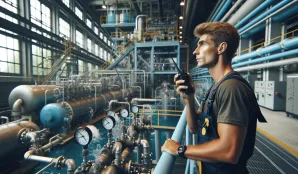
A process engineer in a waterworks is responsible for ensuring safe and efficient operation of the water supply. Tasks include monitoring, controlling, and optimizing water treatment processes, troubleshooting operational issues, and maintaining technical equipment. The role also involves analyzing water quality, documenting operational data, and implementing improvements to meet environmental and safety standards. The work environment is often diverse, with both office tasks and activities on-site at facilities and technical spaces, sometimes during on-call or standby periods.
Read more ->
A plant engineer in a heating plant is responsible for monitoring, optimizing, and operating facilities that produce and distribute heat, often within district heating systems. Daily work involves ensuring heat production is efficient, environmentally friendly, and highly available. Tasks include operation monitoring, troubleshooting, maintenance, planning improvements, and participating in modernization and energy efficiency projects. The work is often carried out in control rooms, but also on-site at the facilities, requiring close collaboration with technicians, maintenance staff, and sometimes external suppliers. The work environment is technically advanced and demands safety awareness, precision, and problem-solving skills.
Read more ->
Process engineers in treatment plants are responsible for monitoring, controlling, and optimizing the operation of facilities that treat wastewater before it is released into nature. Their tasks include overseeing technical systems and processes, troubleshooting, preventive maintenance, and developing new methods to improve treatment results. They often work closely with operations technicians and laboratory staff to ensure compliance with environmental requirements and regulatory standards. The work environment is varied and can include both office work and on-site tasks, where safety protocols and accuracy are paramount.
Read more ->
A Drifting Engineer in electrical power is responsible for monitoring, analyzing, and optimizing the operation of electrical power plants and networks. Tasks include planning and coordinating maintenance, investigating operational disturbances, and proposing technical improvements. The work is often carried out in close collaboration with other engineers, technicians, and operational staff, with safety and availability as top priorities. The environment varies between offices, control rooms, and site visits to power stations or facilities, requiring flexibility and the ability to quickly solve problems as essential qualities in the profession.
Read more ->
A building operations engineer is responsible for leading, monitoring, and optimizing the operation of technical systems and facilities in construction projects. The tasks often include planning for operation and maintenance, troubleshooting technical problems, and ensuring that building installations function efficiently and energy-efficiently. The role involves close collaboration with other technicians, project managers, and contractors, especially during new construction or major renovations. The work environment varies between office work, meetings at construction sites, and inspection of technical installations, requiring both technical knowledge and good communication skills.
Read more ->
A telecommunications operations engineer is responsible for operating, monitoring, and optimizing technical systems and networks that ensure reliable communication. Tasks include operation and maintenance of telecommunications equipment, troubleshooting, system upgrades, and network capacity planning. The role often involves collaboration with other technicians, engineers, and external suppliers to maintain high operational reliability and quality. The work is typically performed in an office environment with elements of fieldwork, especially during larger installations or outages, requiring both technical expertise and the ability to manage complex technical environments.
Read more ->
A telecommunications operations engineer is responsible for operating, monitoring, and optimizing technical systems for data communication, telephony, and networks within both private companies and public organizations. The tasks often include planning, installing, and troubleshooting telecommunications equipment, as well as ensuring that systems meet high standards of availability and security. The role also involves analyzing operational data, suggesting improvements, and participating in development projects to meet rapid technological advancements. The work is usually performed in an office environment combined with fieldwork, where both independent work and collaboration with other engineers and technicians are central.
Read more ->