Latest posts
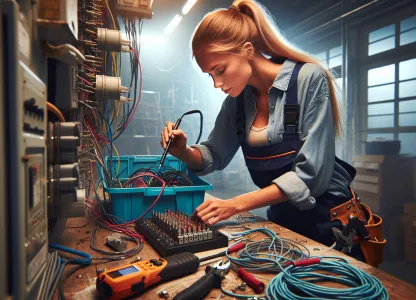
Image that illustrates

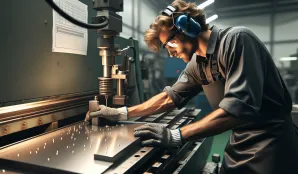
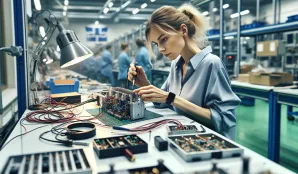
An Elektroniker works with installation, repair, and maintenance of electronic equipment and systems. Tasks may include troubleshooting, assembly, and programming of various electronic components, often in advanced technical environments. Elektronikers are found in many industries, such as manufacturing, telecommunications, vehicles, or automation. The work environment varies between laboratories, workshops, factories, or fieldwork, depending on specialization and employment type. Safety routines and precision are central to daily work to handle sensitive equipment and complex systems.

Read more ->
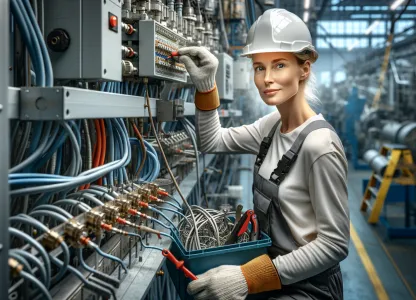
Image that illustrates

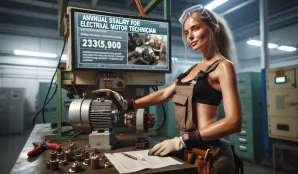
An Electromechanic works with installation, maintenance, and repair of electromechanical systems and components within the industry. Tasks may include troubleshooting and fixing electrical and mechanical faults, assembling control systems, as well as calibrating and adjusting machines and facilities. The work often takes place in production environments, workshops, or on-site at customer locations. Safety routines, meticulous documentation, and collaboration with other technicians and engineers are important elements of daily work.

Read more ->
Image that illustrates What does an elektrofilterskötare do? – Tasks and Work Environment
What does an elektrofilterskötare do? – Tasks and Work Environment

An elektrofilterskötare primarily works with operation, monitoring, and maintenance of electrofilter systems within industry. These systems are used to clean process gases from dust and particles, which is central to reducing emissions and meeting environmental regulations. Tasks include daily inspections, troubleshooting, cleaning filters, and replacing worn parts. The work often takes place in industrial environments where safety procedures and precision are critical. The work environment can be noisy and sometimes require working at heights or in confined spaces, demanding good physical fitness and safety awareness.

Read more ->
Image that illustrates What does an Electrode Technician do? – tasks and work environment
What does an Electrode Technician do? – tasks and work environment

An Electrode Technician primarily works within the metal industry's process plants and is responsible for monitoring and maintaining electrodes in various smelting and refining processes. The role involves handling, inspecting, and replacing electrodes in, for example, furnaces where metal is melted or refined. The work is often performed in shifts and requires precision, technical understanding, and the ability to work safely in environments with high temperatures and heavy machinery. Collaboration with process operators and maintenance technicians is common, and the work environment is characterized by noise and physical strain. Safety routines are central to daily work to minimize risks associated with handling hazardous materials and advanced equipment.

Read more ->
Image that illustrates What does an electrician within installation do? – Tasks and work environment
What does an electrician within installation do? – Tasks and work environment

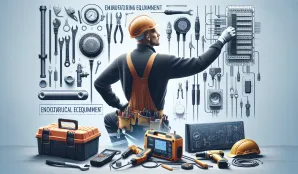
An electrician within installation is responsible for wiring, connecting, and inspecting electrical cables and systems in both new and existing buildings. Tasks include installing lighting, power outlets, electrical panels, as well as security systems and automation. The work is often performed on-site at the customer's location, in everything from homes to commercial properties and industries. The work environment is varied and can involve working at heights, in confined spaces, and sometimes outdoors under different weather conditions. Safety awareness and precision are crucial, as the profession involves working with high voltage and complex electrical systems.

Read more ->
Image that illustrates What does an electrician in the industry do? – Tasks and work environment
What does an electrician in the industry do? – Tasks and work environment

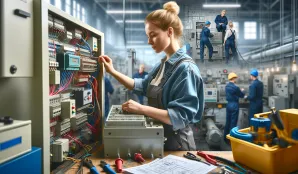
An electrician within the industry is responsible for installation, maintenance, and troubleshooting of electrical systems in factories, production facilities, and other industrial environments. Tasks include both preventive and emergency service of machines, control systems, and power distribution. Industrial electricians often work with advanced control systems, automation, and programmable logic controllers (PLCs), which require technical skills and precision. The work environment varies and can involve working at heights, in confined spaces, or in noisy environments where safety regulations must be carefully followed. Shift work and on-call duties may occur, especially in industries operating around the clock.

Read more ->
Image that illustrates What does an Eldslukare do? – Tasks and work environment
What does an Eldslukare do? – Tasks and work environment

An Eldslukare works in the entertainment industry, performing spectacular fire shows for audiences at stages, festivals, circuses, and events. The tasks involve managing fire safely and artistically, often as part of larger performances where fire-eating is combined with acrobatics, dance, or other variety acts. The work can be physically demanding and requires a very strong sense of safety, as the risk of burns and accidents is significant. Work often takes place in the evenings and on weekends, with environments ranging from indoor stages to outdoor arenas under various weather conditions.

Read more ->
Image that illustrates What does an electrical operations manager do? – Tasks and work environment
What does an electrical operations manager do? – Tasks and work environment

An electrical operations manager is responsible for planning, leading, and supervising the operation of electrical transmission and supply systems, often within larger transport, energy, or industrial companies. Tasks include coordinating electrical work, ensuring compliance with safety regulations, and making decisions during operational disruptions or maintenance. The role involves close collaboration with technicians, operational staff, and external suppliers to ensure efficient and safe electricity distribution. The work environment can vary between office-based workplaces and fieldwork, where quick decision-making and strong problem-solving skills are essential.

Read more ->
Image that illustrates What does a boiler operator in power and heat plants do – tasks and work environment
What does a boiler operator in power and heat plants do – tasks and work environment

A boiler operator in power and heat plants is responsible for monitoring, controlling, and optimizing the operation of boilers, turbines, and other technical systems that produce heat and electricity. Tasks include starting and stopping facilities, troubleshooting operational issues, and maintaining equipment. Safety is central, as the work often occurs in environments with high temperatures, pressurized systems, and sometimes hazardous substances. The work environment can vary from shift work in control rooms to physical work on-site, requiring both technical understanding and precision to ensure reliable and environmentally friendly production.

Read more ->
Image that illustrates What does an Oiler on a ship do? – Tasks and work environment
What does an Oiler on a ship do? – Tasks and work environment

An Oiler on a ship is responsible for monitoring and maintaining the ship's steam boilers, engines, and other machinery systems. The tasks include continuously checking pressure, temperature, and fuel supply to ensure safe and efficient operation of the ship’s propulsion system. The Oiler also performs maintenance, troubleshooting, and repairs on mechanical equipment and ensures compliance with environmental and safety regulations onboard. The work environment is often noisy, hot, and sometimes cramped, with shift work and periods at sea where work is conducted around the clock.

Read more ->