Latest posts
Image that illustrates

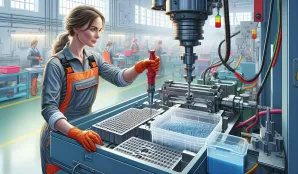
The profession of a machine packer involves working with packing and packaging products using automated machines in factories and production facilities. The main tasks include monitoring, controlling, and adjusting machines that handle filling, packing, and labeling goods, often within industrial manufacturing. The work may also include quality control, basic maintenance of equipment, and ensuring products are packaged according to standards and customer requirements. The working environment is typically physical, with monotonous tasks, but also a high pace and demands for accuracy to ensure product quality and safety.

Read more ->
Image that illustrates

A packaging operator works with monitoring, controlling, and maintaining machines used for filling, packing, and labeling products. Tasks often include checking machine functionality, refilling materials, overseeing production flow, and ensuring products meet quality and labeling standards. The profession also involves quickly fixing minor technical issues and performing simple maintenance. The work environment is characterized by industrial settings where work is performed in shifts, often standing at machines, sometimes requiring protective equipment to ensure safety at the workplace.

Read more ->
Image that illustrates What does an emballagekonsulent do? – Tasks and work environment
What does an emballagekonsulent do? – Tasks and work environment

An emballagekonsulent works on developing, selling, and advising on packaging solutions for companies across various industries. Tasks often include analyzing customer needs, designing customized packaging solutions, and negotiating contracts. The consultant acts as a link between manufacturers, suppliers, and end customers, and is responsible for both technical and commercial aspects of packaging projects. The work is mostly performed in an office environment but also involves meetings, customer visits, and sometimes practical work at warehouses or production facilities.

Read more ->
Image that illustrates What does an enameller do? – Tasks and work environment
What does an enameller do? – Tasks and work environment

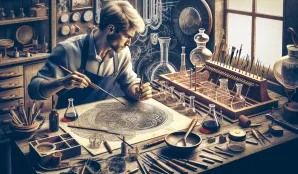
An enameller works with decorating and refining metal objects by applying enamel, a glass-like surface fused onto metal at high temperatures. Tasks often include meticulous cleaning of surfaces, applying enamel powder or paste, and heating in a specialized kiln to create a durable and decorative surface. It can also involve design work, color choices, and sometimes repairing or restoring older enameled objects. The work environment is typically a craft workshop or studio space with high demands on precision, concentration, and safe handling of chemicals and heat sources.

Read more ->
Image that illustrates What does an enamel worker in painting do? – Tasks and working environment
What does an enamel worker in painting do? – Tasks and working environment

An enamel worker in painting primarily applies enamel and paint surfaces on various materials, often within industrial manufacturing. Tasks include surface preparation, mixing of enamel and paint products, and application using brushes, spray guns, or dipping techniques. Precision and attention to detail are essential, as the final result affects both appearance and durability of the product. The work environment is often industrial, involving both manual and machine-assisted work. Protective equipment is regularly used to handle chemicals and dyes safely.

Read more ->
Image that illustrates What does a ceramic enameler do? – Tasks and work environment
What does a ceramic enameler do? – Tasks and work environment

A ceramic enameler works with applying glazes and enamels to ceramic objects to create both protective and decorative surfaces. The work often takes place in small workshops or studios, where precision and artistic sense are crucial. The work environment is characterized by handling chemicals, high firing temperatures, and sometimes monotonous tasks. Collaboration with other craft artists and ceramicists is common, and tasks can range from hand-painting to machine application of enamel. Quality control and knowledge of various materials are central to the profession, as well as the ability to work independently and carefully.

Read more ->
Image that illustrates What does an enamel burner do? – Tasks and working environment
What does an enamel burner do? – Tasks and working environment

An enamel burner mainly works with applying and firing enamel onto various metal objects, often within industry or craft production. Tasks include surface preparation, applying enamel powder, working with kilns, and precise temperature control to ensure an even and durable finish. The profession requires high precision, a sense of color and shape, and a methodical approach. The work environment is characterized by work in workshops or factories with exposure to heat and chemicals, which necessitates special protective equipment and safety routines.

Read more ->
Image that illustrates What does an electrician in repair do? – Tasks and work environment
What does an electrician in repair do? – Tasks and work environment

An electrician specializing in repair primarily works with troubleshooting, maintenance, and repair of electrical systems within the industry. Tasks often include installing new components, replacing worn parts, and regular servicing of machines and electrical equipment. The environment is typically industrial, with work conducted both independently and in teams, often close to production. Safety is a central aspect of the work, and the workday may include routine and emergency interventions to minimize downtime and ensure a safe workplace.

Read more ->
Image that illustrates What does an electrical technician in construction do? – Tasks and work environment
What does an electrical technician in construction do? – Tasks and work environment

An electrical technician in construction works with designing, planning, and sometimes leading work within electrical and energy systems. Common tasks include creating electrical drawings, sizing components, and collaborating with engineers, project managers, and installers. The role often involves analyzing technical solutions, ensuring installations meet current standards, and optimizing electrical systems for energy efficiency and safety. The work is primarily performed at offices, but inspections at construction sites or production facilities are regular. The work environment demands high precision, technical understanding, and cross-disciplinary collaboration.

Read more ->
Image that illustrates What does an Electric Welder do? – Tasks and Work Environment
What does an Electric Welder do? – Tasks and Work Environment

An Electric Welder primarily works on joining metal components using electrical welding equipment. Typical tasks include preparing materials, setting and inspecting welding machines, and quality control of weld joints. The work is often performed in industry, workshops, or construction sites where precision and safety are critical. The work environment can be noisy, hot, and sometimes cramped, making protective gear and strict safety routines a central part of the workday.

Read more ->