News and articles
- Home
- Articles






Latest posts

A Kritiker works with analyzing, assessing, and reviewing cultural works such as literature, film, theater, music, or art. Tasks include delving into current productions, writing insightful reviews, and participating in discussions about artistic expressions. The work is often within the framework of an editorial team at a newspaper, magazine, radio, TV, or digital platforms, but freelance work is also common. The work environment is characterized by a fast pace, deadlines, and a need for continuous updates on current trends and works within the area of coverage.
Read more ->
Criminologists work with studying the causes, structures, and consequences of crime in society. Tasks may include analyzing crime statistics, evaluating criminal policy initiatives, conducting research on crime prevention, as well as teaching and advising authorities. Many criminologists are employed in the public sector, such as at universities, government agencies, or within the police, but assignments in private analysis firms and non-profit organizations also occur. The work environment often involves office work, extensive data collection, and analytical tasks, but can also include field studies and collaboration with other societal actors.
Read more ->-

Opinion Landscape: Novus February 2026 – Social Democrats Still Largest
Thu, 19 Feb 2026 - 01:35 -

Policy rate remains at 1.75% – Riksbank signals stability
Thu, 29 Jan 2026 - 14:02


A Kriminalvårdschef is responsible for leading a correctional authority, which involves managing, developing, and monitoring operations within prisons, detention centers, or probation services. The role includes strategic and operational leadership, personnel management, security issues, budgeting, and collaboration with other agencies and stakeholders within the justice system. The work environment is often complex and demands organizational skills, decisiveness, and integrity, as the work takes place in security-classified environments with high tempo and constantly changing challenges.
Read more ->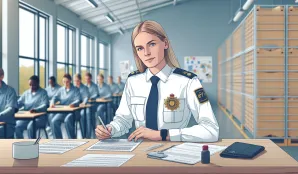
A Kriminalvårdsassistent plays a central role in Swedish criminal justice and primarily works at prisons, detention centers, or probation offices. Tasks include supervision, security, and support for inmates, involving both monitoring and relationship-building efforts. Daily work includes ensuring routines are followed, conducting searches and transports, managing conflicts, and creating a safe environment for both inmates and colleagues. The work requires on-site presence and often involves shift work, including evenings, nights, and weekends. The environment can sometimes be demanding but also enriching, as it involves extensive contact with people in vulnerable situations.
Read more ->
Criminal care officers work to maintain safety and order in prisons, detention centers, and probation authorities. The role involves daily contact with inmates and responsibility for monitoring, supporting, and motivating them in their rehabilitation. Criminal care officers often work in teams and perform tasks such as searches, transports, conversations, and documentation. The work environment can be challenging and requires the ability to handle stressful situations, while maintaining a professional and respectful approach towards clients. Shift work and working during inconvenient hours are common in the profession.
Read more ->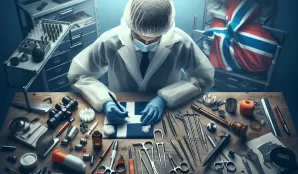
A forensic technician works to investigate and analyze crime scenes, physical evidence, and technical traces to assist in criminal investigations. Common tasks include photographing and documenting crime scenes, collecting and handling evidence, and performing analyses such as fingerprint, DNA, and digital trace analysis. The work is carried out in close collaboration with police investigators and prosecutors, often under time pressure where accuracy and objectivity are crucial. The work environment can vary from laboratories to fieldwork at crime scenes, requiring high standards of integrity, stress resilience, and analytical skills.
Read more ->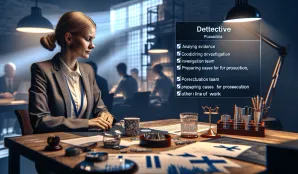
A Criminal Commissioner works within the Police Authority and is responsible for leading and coordinating major criminal investigations. The role includes planning, assigning, and following up investigative work, often focusing on serious crimes such as murder, aggravated robbery, and organized crime. The work also involves supervising and supporting other investigators, maintaining contact with prosecutors, and collaborating with other agencies and international partners. The work environment is characterized by high pace, complex cases, and demands for accuracy, while tasks are often varied and require strong leadership and analytical skills.
Read more ->
A Criminal Inspector leads and investigates crimes within the Police Authority and often plays a central role in major investigations. Tasks include planning, coordinating, and executing investigative work, interrogating suspects and witnesses, and analyzing evidence. Criminal Inspectors often collaborate closely with prosecutors and other authorities and may also be responsible for mentoring junior colleagues or specialists in their field. The work environment is diverse and can switch between office work, field investigations, and participating in operational operations, requiring both analytical skills and stress tolerance.
Read more ->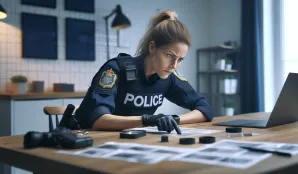
A Criminal Assistant works within the police and plays a central role in criminal investigations and operational police work. Tasks include conducting interrogations, collecting and analyzing evidence, participating in surveillance operations, and managing administrative matters related to ongoing investigations. The work often involves close cooperation with colleagues in various parts of the justice system, such as prosecutors and crime scene technicians. The work environment is varied and can switch between office work, field assignments, and work at crime scenes, demanding flexibility and stress resilience.
Read more ->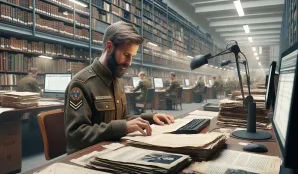
A war archivist works with collecting, managing, and making archival materials related to military history, defense, and war accessible. Tasks include organizing and describing documents, maps, photographs, and objects from both government agencies and private donors. The role often involves responsibility for preservation, digitization of older materials, and advising researchers, authorities, and the public. The work mainly takes place in archival environments with high demands on security, structure, and confidentiality, often within government or public sector institutions.
Read more ->