News and articles
- Home
- Articles






Latest posts
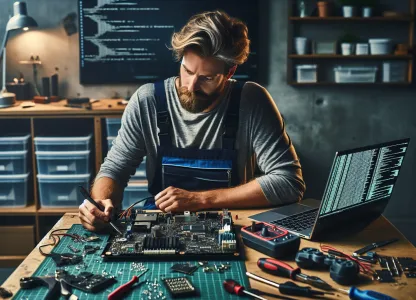
A computer repair technician primarily works with troubleshooting, maintaining, and repairing computer equipment and related components. Tasks include identifying hardware faults, replacing defective parts, updating software, and optimizing system performance. Work often takes place on-site at companies, schools, or private homes, but workshop or service center work is also common. The profession requires precision, technical understanding, and the ability to quickly adapt to new technology. The work environment varies from office settings to more mobile assignments involving customer contact and problem-solving.
Read more ->
A bicycle repairer is responsible for maintaining, troubleshooting, and repairing bicycles of various models and brands. Tasks include everything from changing tires and adjusting gears to more advanced repairs of brake systems, e-bike components, and frame structures. The work often takes place in a workshop environment but can also involve customer contact at the sales counter or direct advice. Many bicycle repairers work in small workshops or stores, but there are also larger workplaces specializing in, for example, e-bikes or racing bikes. The work environment is characterized by physical activity, the need for precision, and sometimes high pace, especially during peak cycling seasons.
Read more ->-

Opinion Landscape: Novus February 2026 – Social Democrats Still Largest
Thu, 19 Feb 2026 - 01:35 -

Policy rate remains at 1.75% – Riksbank signals stability
Thu, 29 Jan 2026 - 14:02


A repair technician in a bingo hall is primarily responsible for operation, service, and ongoing maintenance of technical equipment and machines used in bingo halls. Tasks include troubleshooting, repairing, and installing both mechanical and electronic components. Preventive maintenance to minimize downtime is often included. The environment is typically indoors, in premises with many people present, and work often occurs under time pressure when machines need to be operational during events and opening hours. Customer contact is common, as repairs are often performed in close proximity to the business activities.
Read more ->
A repair technician for work vehicles works with servicing, maintenance, and repair of various types of work vehicles, such as trucks, construction machinery, and special vehicles used in industry and public sector. Tasks include troubleshooting, replacing worn parts, adjusting machine components, and sometimes installing new technology. The work is often performed in a workshop setting but can also involve on-site visits to workplaces or construction sites where the vehicle is located. Advanced diagnostic equipment and tools are frequently used, and the work environment can be physically demanding, requiring protective gear and precision to avoid injuries.
Read more ->
A repair technician, appliance mainly works with troubleshooting, repairing, and maintaining various electrical and electronic devices. The tasks often include servicing household appliances, medical equipment, office machines, or other technically advanced appliances. A typical workday may include both scheduled service visits and urgent repairs requiring quick action. The work environment varies depending on the workplace but can include working at customer sites, in workshops, or at larger facilities. High precision, safety awareness, and the ability to read technical manuals and interpret diagrams and troubleshooting protocols are often required.
Read more ->
A repair technician primarily works with troubleshooting, maintenance, and repair of electronic equipment and systems. Job tasks vary depending on the industry but often include servicing everything from computers and communication equipment to advanced machinery in industry. The role involves analyzing faults, replacing or repairing components, and testing equipment to ensure it functions according to manufacturer specifications. Work is performed both in workshops and at customer sites, requiring flexibility and problem-solving skills. The work environment can be physical and technical, with elements of working in noisy or dusty environments, but also in clean and controlled laboratories.
Read more ->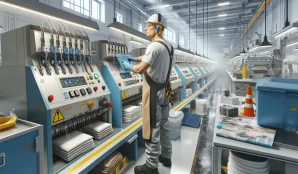
A cleaning machine operator works with monitoring and operating machines used for cleaning, sorting, and processing textile material, leather, or skins in industrial production. Tasks often include starting, stopping, and adjusting machines, as well as checking the quality of the processed material. Regular maintenance and minor repairs are also part of the job. The work environment is typically industrial, with noise and demands for precision and safety. Work often occurs in shifts, and heavy lifting and teamwork with other machine operators may be required.
Read more ->
Reindeer herding consultants provide advice, support, and expertise to the reindeer herding industry. Tasks include assisting Sami communities and reindeer herding businesses with grazing planning, animal health, and environmental issues, as well as coordinating projects, training efforts, and government contacts. The consultant often acts as a bridge between reindeer herding, authorities, and other stakeholders. The work environment varies, but much of the work is field-based in northern Sweden, where reindeer herding is most widespread, including office work with documentation and reporting. Travel within the region is common, as are meetings and collaborations with various actors in the natural resource sector.
Read more ->
A water treatment plant operator is responsible for running water and wastewater treatment facilities. Tasks include monitoring and controlling plant processes, inspecting and maintaining technical systems, as well as sampling and analyzing water quality. The role also involves troubleshooting, repairs, and documenting operational data. Work often involves shifts and contact with both automated systems and manual handling, requiring accuracy and technical interest. The work environment varies and can include indoor work in control rooms and outdoor work at different parts of the plant.
Read more ->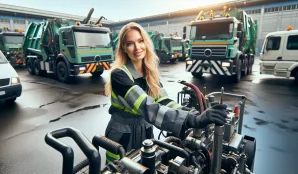
A sanitation machine operator is responsible for driving and handling various types of machinery within waste management and sanitation. Tasks can include emptying trash bins, transporting waste to recycling centers, operating garbage trucks, sweepers, and other specialized vehicles for street and square cleaning. The work is often performed outdoors, regardless of weather, requiring high safety and precision standards. Operators work both independently and in teams, with many starting early in the morning. Physical endurance and good teamwork skills are important qualities in this profession.
Read more ->