News and articles
- Home
- Articles






Latest posts

A répétiteur in classical music is responsible for preparing and leading musical rehearsals before concerts, performances, or recordings. The profession involves assisting singers, instrumentalists, and conductors by playing piano, providing musical instructions, and sometimes offering language and stage guidance. The work environment is characterized by close collaboration with other musicians and artistic teams, often in concert halls, opera houses, or music schools. Répétiteurs work both independently and in groups, focusing on elevating the artistic level and ensuring all participants are well-prepared for performances.
Read more ->
A Repetitör primarily works within the music and performing arts world, where the role involves supporting and developing singers, musicians, and artists in preparation for concerts, performances, or recordings. Tasks include playing piano or other accompaniment instruments during rehearsals, providing feedback on musical interpretation, and leading ensembles through scores and musical transitions. Often, the Repetitör acts as a link between the conductor and the artists, requiring musical precision, pedagogical skills, and great flexibility. The work environment varies between opera houses, theaters, music schools, and concert halls, where the pace can be high and expectations for presence, collaboration, and adaptability are significant.
Read more ->-

Opinion Landscape: Novus February 2026 – Social Democrats Still Largest
Thu, 19 Feb 2026 - 01:35 -

Policy rate remains at 1.75% – Riksbank signals stability
Thu, 29 Jan 2026 - 14:02

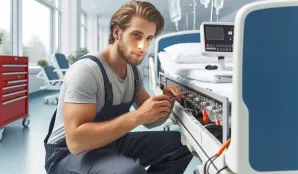
A hospital bed repair technician is responsible for maintenance, troubleshooting, and repair of beds and related equipment at hospitals, clinics, and other medical facilities. The work involves both mechanical and electrical components and often requires quick action to fix faults to ensure patient safety and comfort. The working environment is characterized by proximity to healthcare staff and patients, which demands good service skills and precision. The work is performed both in workshop settings and on hospital wards, often under time pressure and with high hygiene and safety standards.
Read more ->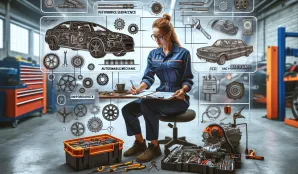
A repair technician in motor vehicles primarily works with troubleshooting, maintaining, and repairing various types of vehicles such as cars, trucks, and buses. Tasks often include both mechanical and electronic systems, including replacing worn parts, servicing engines and gearboxes, and handling advanced diagnostic equipment. The work environment is typically workshop-based, where heavy lifting, working in confined spaces, and exposure to oils and chemicals are common. Safety routines and ergonomic aids are important parts of daily work to reduce the risk of accidents and strain injuries.
Read more ->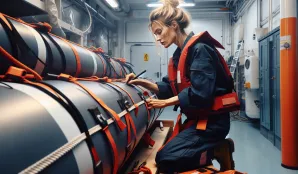
A repairer within lifeboats is responsible for inspection, maintenance, and repair of lifeboats and other rescue equipment used in shipping and offshore industries. Tasks include regular servicing and testing of lifeboats, replacing worn components, sealing, and certification according to national and international safety standards. The work is often performed in specialized workshops but can also take place onboard ships or at port facilities. The work environment demands high precision, safety awareness, and technical knowledge, as the function of lifeboats can be critical for survival in an emergency.
Read more ->
A truck repairer is responsible for troubleshooting, repairing, and maintaining heavy vehicles used for freight transportation. Tasks include replacing worn parts, performing service, and handling advanced diagnostics of engines, brake systems, and electronics. The work is often carried out in a workshop environment but may also involve emergency repairs on-site. Physical strength and technical knowledge are essential for handling heavy components and the increasing digitalization of modern trucks. The work environment combines independent work with collaboration with colleagues, where safety and accuracy are always prioritized.
Read more ->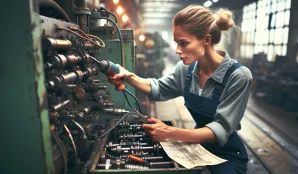
A repair technician for industrial machines works with maintaining, troubleshooting, and repairing machines and technical equipment in industrial environments. Tasks include everything from preventive maintenance and urgent repairs to installing new equipment and upgrading existing systems. The work often takes place in production facilities, workshops, or larger factories where the machinery fleet is central to operations. The work environment is characterized by technical challenges and requires precision and problem-solving skills, while safety considerations are always prioritized.
Read more ->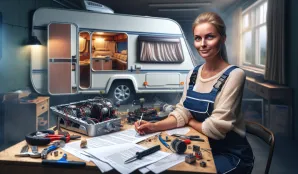
A caravan repairer works with troubleshooting, repairing, and maintaining caravans and motorhomes. Typical tasks include repairing the bodywork, electrical systems, plumbing, interior fittings, as well as installing accessories and safety equipment. The work is often performed in workshops, at dealerships, or directly at the customer's location. The role also involves preventive maintenance, documenting completed work, and communicating with customers and suppliers. The work environment varies – both indoors and outdoors – and requires technical skills as well as the ability to handle physically demanding tasks.
Read more ->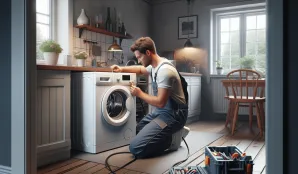
A household appliance repairer works with troubleshooting, servicing, and repairing white goods and other electrical appliances in homes, such as refrigerators, dishwashers, washing machines, and stoves. The tasks include both planned maintenance and urgent repairs. Work can be performed in customers' homes, in workshops, or a combination of both. The profession often involves customer contact, diagnostics using advanced measurement equipment and computerized diagnostic tools, ordering spare parts, and documenting completed work. The work environment can vary from cramped spaces behind appliances to travel between jobs, requiring good physical fitness, problem-solving skills, and a structured approach.
Read more ->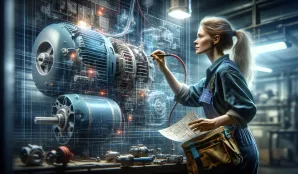
A motor repairer primarily works with maintenance, troubleshooting, and repair of electric motors and associated electrical equipment within the industry. Tasks often include disassembly, cleaning, replacing faulty components, winding work, as well as testing and reassembling motors. The role requires a good understanding of electrical circuits and mechanics, as well as the ability to interpret technical drawings and instructions. The work environment typically consists of a workshop or industrial premises where heavy lifting and work with tools and measurement equipment are common. Safety regulations and the use of protective gear are an integral part of daily work.
Read more ->