News and articles
- Home
- Articles






Latest posts
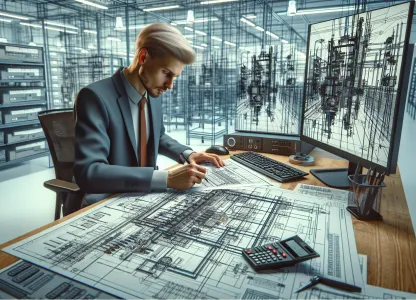
A drafter within telecommunications works on developing technical drawings and documentation for the expansion, maintenance, and modernization of telecommunication networks. Tasks often include interpreting technical data, creating CAD drawings for fiber and copper networks, and coordinating design with project managers, technicians, and contractors. The work is usually performed in close collaboration with engineers and project teams, primarily in an office environment with digital meetings and project work. In some cases, site visits to construction sites or field locations may occur, especially for larger projects or information gathering for drawings.
Read more ->
A machine draftsman in mechanical engineering primarily works on developing technical drawings and models for various machine constructions, components, and systems. The daily work often involves using advanced CAD programs to create detailed drawings based on specifications from designers or engineers. The role requires precision and a good understanding of technical standards, materials, and production techniques. The work environment is usually office-based, but collaboration with workshops, engineers, and production staff occurs regularly. It is not uncommon for machine draftsmen to participate in project meetings and contribute with technical expertise throughout the development process.
Read more ->-

Opinion Landscape: Novus February 2026 – Social Democrats Still Largest
Thu, 19 Feb 2026 - 01:35 -

Policy rate remains at 1.75% – Riksbank signals stability
Thu, 29 Jan 2026 - 14:02

An electronics draftsman works on developing technical drawings and schematics for electronic systems and components. The role often involves translating designers' and engineers' ideas into detailed CAD drawings used for manufacturing, installation, or troubleshooting electronics. The work environment is usually office-based, with advanced computer programs and digital tools being central to daily tasks. Collaboration with engineers, technicians, and sometimes customers is common, especially when developing new systems or adapting existing solutions to specific requirements.
Read more ->
A draftsman in construction and civil engineering is responsible for producing technical drawings and structures used in planning, design, and execution of construction projects. Tasks include creating detailed building plans, 3D modeling, reviewing technical descriptions, and coordinating with architects, engineers, and project managers. The work often involves advanced CAD programs and digital tools to ensure drawings meet current standards and regulatory requirements. The work environment is primarily office-based, but site visits occur to gather data or monitor project progress.
Read more ->
A Risk Manager in finance works to identify, analyze, and manage various types of risks that can affect an organization's financial stability. Tasks include developing risk management strategies, conducting risk assessments, and reporting potential threats to management. The role requires a deep understanding of financial products, market changes, and regulatory requirements. The work environment is often office-based, characterized by a fast pace and a continuous flow of information, where accuracy and analytical skills are crucial for making well-founded decisions.
Read more ->
An insurance risk engineer works with identifying, analyzing, and evaluating risks for insurance companies and their clients. The main task is to assess various types of risks related to properties, industries, and operations to prevent damages and reduce losses. The work often involves site visits, reviewing technical documents, interviewing responsible personnel, and compiling risk reports. The work environment is varied, combining office work with fieldwork, including travel to clients’ facilities and sites regularly. The risk engineer often acts as a link between the insurance company and the client, providing recommendations on safety measures and improvements.
Read more ->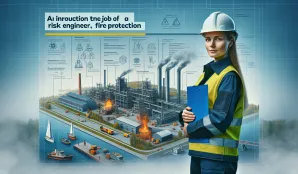
A risk engineer specializing in fire safety primarily works on identifying, analyzing, and preventing fire risks in various types of operations and buildings. The work often involves developing fire safety strategies, conducting risk assessments, evaluating fire safety solutions, and coordinating fire safety measures during new construction or renovation projects. The role requires close collaboration with architects, building engineers, authorities, and sometimes emergency services. The work environment is mostly office-based, but site inspections are regularly conducted, especially during larger projects or inspections.
Read more ->
A risk assessor primarily works on analyzing and evaluating risks within the insurance industry, banks, or other financial operations. Tasks include collecting and interpreting information about clients, businesses, or projects to identify potential risk factors and assess the likelihood of damages, losses, or other negative events. The work is often done in close collaboration with insurance advisors, analysts, and other specialists. The work environment is generally office-based, characterized by a fast pace and high demands for accuracy, analytical skills, and good communication skills. Many risk assessors work with digital tools and maintain ongoing contact with both internal and external parties.
Read more ->
A Risk Analyst works on identifying, assessing, and managing risks within various organizations, often focusing on the financial sector. Tasks include analyzing financial reports, developing risk models, evaluating credit risks, and preparing decision support for management and the board. Usually, the work is performed in teams with other analysts and specialists, utilizing advanced data programs and statistical methods to forecast and minimize potential losses. The work environment is typically office-based, characterized by a fast pace and high precision, with regular contact both internally and externally.
Read more ->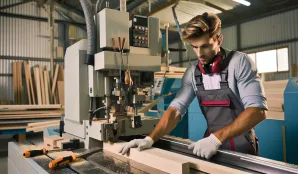
A joiner within carpentry primarily works with aligning, adjusting, and processing wood components to ensure they meet high standards of precision and quality. Tasks often include using machines and hand tools to correct warps, assemble, and complete wooden structures. The work environment is typically a workshop or production facility where collaboration with other trades in the wood industry occurs. The work may involve standing and movement, as well as handling noise and dust, requiring protective gear and attention to ergonomics.
Read more ->