Municipality
- Articles
- Municipality

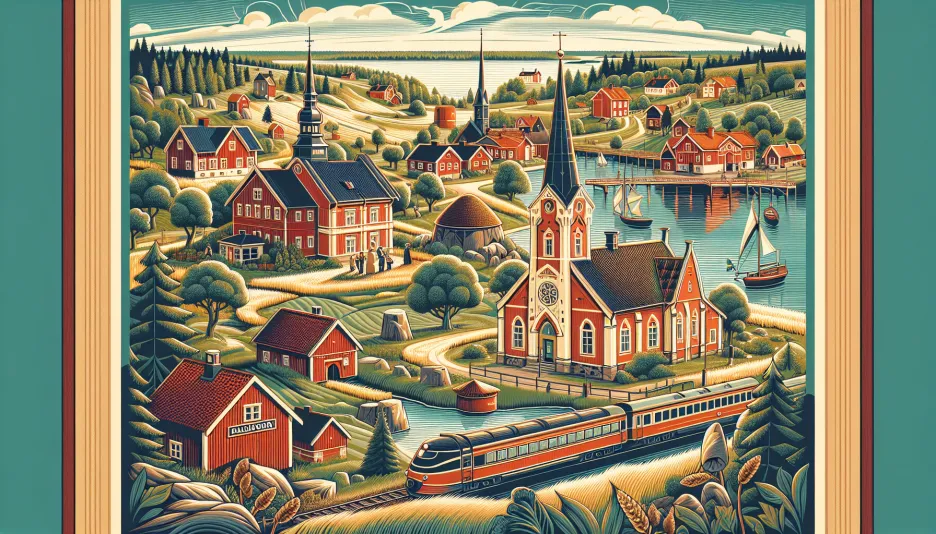
Falköping Municipality – facts, statistics, and insights
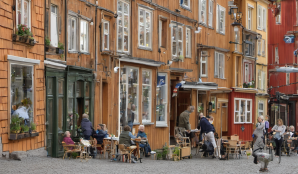
Falköping Municipality is located in the heart of the Västgötaslätten plains, surrounded by rolling agricultural landscapes, dramatic plateau mountains, and a history that stretches back thousands of years. Here, tradition meets future optimism, with both small-town charm and proximity to nature. The municipality is known for its location between Skövde and Ulricehamn, as well as for its rich cultural environments and unique geological formations such as Mösseberg and Ålleberg.
Population and Demographics
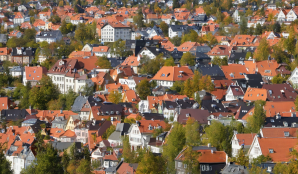
Falköping has approximately 33,000 inhabitants, making it a medium-sized Swedish municipality. The central town of Falköping accounts for just over half of the population, while the rest live in smaller localities and rural areas. The municipality has a relatively high proportion of young people and families with children – something that is reflected in the pace of development of schools and preschools. At the same time, it is clear that the elderly population is growing, which affects welfare and service needs.
It is fascinating how Falköping manages to combine small-town charm with a rich cultural life and unusually many natural experiences – something that often surprises new residents.
Taxes, Welfare, and Municipal Services
The municipal tax rate in Falköping is 21.95%, and combined with the county council tax of 11.48% and the burial fee of 0.29%, the total tax burden is 33.43% (excluding church fee). Members of the Church of Sweden pay an additional church fee of 1.37%.
Tax revenues are used to fund schools, elder care, healthcare, social services, and infrastructure. In recent years, Falköping has invested heavily in expanding preschools and modernizing schools, while also addressing the needs of an aging population. The municipality also offers a wide range of leisure and cultural activities and has a well-developed sports movement for all ages.
- Municipal tax: 21.95%
- County council tax: 11.48%
- Burial fee: 0.29%
- Church fee (for members): 1.37%
Economy and Labor Market
Falköping has a labor market characterized by both traditional and modern industries. Agriculture remains an important employer, but there are also manufacturing, food industry, logistics, and a growing service sector. The municipality has a lower unemployment rate than the national average and actively works to create more jobs, including supporting local businesses and attracting new establishments.
The good infrastructure, with railway connections to Gothenburg and Stockholm, enables many to commute. At the same time, this helps businesses grow and keeps the municipality attractive, especially for young adults who might otherwise move to larger cities.
Education and Business
The educational level in Falköping is slightly below the national average, but the municipality maintains active collaborations with local industries and higher education institutions in the region. Falköping offers several primary and secondary schools, as well as adult and vocational training tailored to labor market needs.
The business community is diverse – from small family businesses to larger industries and an increasing number of companies within green industries and technology. Initiatives promoting entrepreneurship and sustainability have recently put Falköping on the map as a municipality where ideas can thrive.
Geography and Attractions
Falköping is perhaps best known for its plateau mountains, Mösseberg and Ålleberg, which offer both stunning views and unique natural experiences. There are also several archaeological sites and cultural-historical locations, including Ekehagens prehistoric village and several medieval churches. Proximity to hiking trails, lakes, and nature reserves makes the municipality a paradise for outdoor activities.
A small curiosity is that Falköping is one of the places in Sweden with the highest number of runestones per square kilometer – a reminder of the area's long and fascinating history.
FAQ – Common Questions about Falköping Municipality
- What is the municipal tax rate in Falköping?
The municipal tax is 21.95%. The total tax burden excluding church fee is 33.43%. - How many inhabitants does Falköping have?
Approximately 33,000 people live in the municipality. - What is Falköping known for?
Mainly its plateau mountains, archaeological sites, farming traditions, and a vibrant cultural life. - What is the state of the labor market?
A broad mix of agriculture, industry, services, and logistics. Unemployment is lower than the average. - What natural experiences are available?
Mösseberg, Ålleberg, hiking trails, runestones, and beautiful plains – perfect for outdoor activities.


Sweden's national debt
-

Demoskop May 28, 2026: Social Democrats Lose, MP and KD Increase
Thu, 28 May 2026 - 19:35 -

Up to 25% off experiences for mom – Celebrate Mother’s Day with Live it
Tue, 26 May 2026 - 12:00


