- Salary statistics
- Sports hall caretaker salary
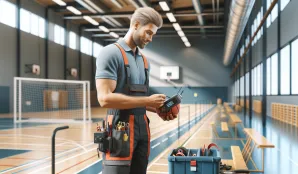
Sports hall caretaker salary
Latest available salary statistics are for 2025. Compare average pay, salary range and related job listings.
24 700 - 40 500 SEK / month
Women earn 97% of what men do.
Installation & drift/underhåll
Related tools
Salary progression Sports hall caretaker
What does a sports hall caretaker do? – Tasks and work environment
A sports hall caretaker is responsible for the daily operation and maintenance of sports halls and athletic facilities. Tasks include technical inspections, minor repairs, preparing venues for various sports activities and events. The role also involves contact with schools, sports clubs, and the public, as well as safety, cleaning, and equipment checks. The work environment is often physical and varied, with indoor and outdoor work and periods of increased activity during larger events.
Salary development over time
Sports hall caretakers have seen steady salary increases in recent years. In 2022, the average salary was 30,300 SEK per month, which increased to 32 400 SEK in 2023 and further to the current level of 33 600 SEK in 2024. This represents a total increase of approximately 7% over three years, with the largest raise between 2023 and 2024. This trend reflects a slightly increased demand for service staff in sports facilities, but also a general salary adjustment within property maintenance. Despite the growth, salary development remains in line with similar service professions and is influenced by municipal agreements and regional differences.
Sports hall caretaker salary – comprehensive overview
- Average salary: 33 600 SEK/month
- Lowest salary: 22,600 SEK/month (female, private-sector worker)
- Highest salary: 38,800 SEK/month (male, private-sector worker, research education)
- Hourly wage (average): 195 SEK
- Women earn: 32 700 SEK/month (97% of men's salary)
- Men earn: 33 800 SEK/month
- Regional differences: Data varies, but metropolitan areas tend to have higher salaries
Education and qualifications
To work as a sports hall caretaker, no formal university education is usually required, but high school education in property management, technology, or service is common. Practical experience from similar work and good technical understanding are valuable assets. Many employers offer internal training and introductory periods for new employees, and supplementary courses in fire safety, first aid, and machinery operation can be advantageous.
- High school education: Property, technology, or service, typically 3 years
- Certifications: Courses in fire safety, CPR, machinery licenses
- Internship: Work placement during training is advantageous
- Prerequisites: Technical interest and good physical ability
- Tips: Engage in sports clubs to build experience and networks
Sports hall caretakers often develop broad skills in technology, service, and event planning – a role that requires problem-solving ability and social skills. Daily work can change quickly depending on activities and events, making the profession especially varied.
Common benefits and compensations
Sports hall caretakers are often covered by collective agreements that provide occupational pension, extra vacation days, and compensation for unsocial hours. Many employers offer wellness allowances, work clothing, and opportunities for further training. Larger workplaces may also provide staff discounts and insurance as part of employment conditions.
Competition and challenges
The job market for sports hall caretakers is characterized by a certain oversupply of applicants, according to the latest forecast from the Employment Service for property caretakers. Opportunities for employment are considered limited nationally, with unchanged demand over the next five years. Competition for permanent positions can be high, especially in smaller municipalities where the number of facilities is limited. The profession requires flexibility and the ability to handle rapid changes, which can be challenging for some but also provide development opportunities for engaged and solution-oriented individuals.
Tips for aspiring sports hall caretakers
To succeed as a sports hall caretaker, it’s beneficial to have a practical mindset and a genuine service attitude. Being detail-oriented helps you identify and fix issues early, while flexibility allows you to handle varying tasks and quick schedule changes. Good teamwork skills are important as the role often involves contact with colleagues and visitors, and technical interest facilitates working with equipment and machinery. Taking initiative and showing responsibility are appreciated by employers, especially during events and unexpected situations. Engagement in sports or community activities can provide valuable experience and contacts. Finally, being solution-oriented when new challenges arise in daily work is an advantage.
Key facts about sports hall caretakers
- Average salary: 33 600 SEK/month
- Salary range: 22,600–38,800 SEK/month
- Job market: 481 vacancies nationwide (May 2024)
- Education level: High school education recommended
- Gender salary difference: Women earn 97% of men's salary
Career paths and future prospects
After three to five years as a sports hall caretaker, there are good opportunities to advance to supervisory roles or specialize in property management and facility operations. Some choose further education in technology or administration to become property managers or operations managers. Forecasts from the Employment Service indicate that demand for property caretakers, including sports hall caretakers, is expected to remain unchanged over the next five years. Despite an oversupply of applicants, there is a need for committed and technically skilled staff, especially in larger cities and during new sports facility constructions.
Frequently asked questions about sports hall caretakers
- What does a sports hall caretaker earn?
- A sports hall caretaker has an average salary of 33 600 SEK per month. - Are there salary differences between men and women?
- Yes, women earn an average of 32 700 SEK, which is 97% of men's average salary of 33 800 SEK. - What are the requirements to become a sports hall caretaker?
- Typically, high school education, technical interest, and sometimes certifications in safety and machinery are required. - What does the job market look like?
- There is a certain oversupply of applicants and limited job opportunities, but 481 vacancies have been identified within the profession. - What are common benefits?
- Common benefits include occupational pension, wellness allowance, work clothing, and sometimes extra vacation days. - How has the salary development been?
- Salary development has been positive, with an increase of about 7% over the past three years. - Is further education available?
- Yes, many employers offer courses and opportunities for further training in technology, safety, and leadership.

Salary distributed by age and sector
| Age | Base salary | Monthly salary | |
|---|---|---|---|
| 18-24 | 106% | 27100 kr | 28800 kr |
| 25-34 | 98% | 31600 kr | 32700 kr |
| 35-44 | 98% | 33200 kr | 34000 kr |
| 45-54 | 95% | 33700 kr | 34500 kr |
| 55-64 | 97% | 33200 kr | 34000 kr |
| 65-68 | 34000 kr | 34600 kr | |
| Snitt | 97% | 32700 kr | 33600 kr |
| Age | Base salary | Monthly salary | |
|---|---|---|---|
| 18-24 | 101% | 25100 kr | 27300 kr |
| 25-34 | 94% | 29200 kr | 30600 kr |
| 35-44 | 96% | 31500 kr | 32500 kr |
| 45-54 | 94% | 32300 kr | 33200 kr |
| 55-64 | 94% | 32300 kr | 33000 kr |
| 65-68 | 97% | 31800 kr | 32600 kr |
| Snitt | 94% | 31300 kr | 32300 kr |
| Age | Base salary | Monthly salary | |
|---|---|---|---|
| 18-24 | 32100 kr | 34900 kr | |
| 25-34 | 96% | 38100 kr | 38700 kr |
| 35-44 | 89% | 39300 kr | 39800 kr |
| 45-54 | 87% | 39800 kr | 40100 kr |
| 55-64 | 91% | 39200 kr | 39500 kr |
| 65-68 | 37300 kr | 37500 kr | |
| Snitt | 91% | 39200 kr | 39600 kr |
| Age | Base salary | Monthly salary | |
|---|---|---|---|
| 18-24 | 104% | 25800 kr | 28300 kr |
| 25-34 | 96% | 30100 kr | 31500 kr |
| 35-44 | 99% | 31400 kr | 32400 kr |
| 45-54 | 97% | 32000 kr | 32800 kr |
| 55-64 | 96% | 32100 kr | 32800 kr |
| 65-68 | 98% | 32000 kr | 32700 kr |
| Snitt | 96% | 31500 kr | 32400 kr |
| Age | Base salary | Monthly salary | |
|---|---|---|---|
| 18-24 | 99% | 24300 kr | 26200 kr |
| 25-34 | 96% | 26600 kr | 28200 kr |
| 35-44 | 98% | 28600 kr | 30100 kr |
| 45-54 | 98% | 29500 kr | 31000 kr |
| 55-64 | 96% | 30200 kr | 31600 kr |
| 65-68 | 95% | 29800 kr | 31200 kr |
| Snitt | 96% | 28200 kr | 29700 kr |
| Age | Base salary | Monthly salary | |
|---|---|---|---|
| 18-24 | 109% | 28100 kr | 29500 kr |
| 25-34 | 100% | 32700 kr | 33600 kr |
| 35-44 | 98% | 33900 kr | 34700 kr |
| 45-54 | 94% | 34300 kr | 35200 kr |
| 55-64 | 97% | 33700 kr | 34600 kr |
| 65-68 | 35800 kr | 36400 kr | |
| Snitt | 97% | 33400 kr | 34300 kr |
| Age | Base salary | Monthly salary | |
|---|---|---|---|
| 18-24 | 109% | 28100 kr | 29500 kr |
| 25-34 | 100% | 32700 kr | 33600 kr |
| 35-44 | 98% | 33900 kr | 34700 kr |
| 45-54 | 94% | 34300 kr | 35200 kr |
| 55-64 | 97% | 33700 kr | 34600 kr |
| 65-68 | 35800 kr | 36400 kr | |
| Snitt | 97% | 33400 kr | 34300 kr |
| Age | Base salary | Monthly salary | |
|---|---|---|---|
| 18-24 | 106% | 27000 kr | 28400 kr |
| 25-34 | 98% | 31700 kr | 32800 kr |
| 35-44 | 98% | 33300 kr | 34200 kr |
| 45-54 | 95% | 33900 kr | 34800 kr |
| 55-64 | 97% | 33300 kr | 34200 kr |
| 65-68 | 34100 kr | 34700 kr | |
| Snitt | 97% | 32900 kr | 33800 kr |
| Age | Base salary | Monthly salary | |
|---|---|---|---|
| 18-24 | 101% | 25100 kr | 27300 kr |
| 25-34 | 94% | 29400 kr | 30900 kr |
| 35-44 | 96% | 31600 kr | 32600 kr |
| 45-54 | 94% | 32500 kr | 33400 kr |
| 55-64 | 94% | 32400 kr | 33200 kr |
| 65-68 | 97% | 31900 kr | 32600 kr |
| Snitt | 94% | 31500 kr | 32500 kr |
| Age | Base salary | Monthly salary | |
|---|---|---|---|
| 25-34 | 96% | 38300 kr | 38900 kr |
| 35-44 | 89% | 39700 kr | 40200 kr |
| 45-54 | 87% | 40000 kr | 40300 kr |
| 55-64 | 91% | 39300 kr | 39700 kr |
| 65-68 | 37300 kr | 37500 kr | |
| Snitt | 91% | 39400 kr | 39800 kr |
| Age | Base salary | Monthly salary | |
|---|---|---|---|
| 18-24 | 104% | 25800 kr | 28100 kr |
| 25-34 | 96% | 30200 kr | 31600 kr |
| 35-44 | 99% | 31500 kr | 32400 kr |
| 45-54 | 97% | 32100 kr | 32900 kr |
| 55-64 | 96% | 32200 kr | 32900 kr |
| 65-68 | 98% | 32000 kr | 32700 kr |
| Snitt | 96% | 31600 kr | 32500 kr |
| Age | Base salary | Monthly salary | |
|---|---|---|---|
| 18-24 | 99% | 24300 kr | 26300 kr |
| 25-34 | 96% | 26600 kr | 28400 kr |
| 35-44 | 98% | 28600 kr | 30200 kr |
| 45-54 | 98% | 29500 kr | 31200 kr |
| 55-64 | 96% | 30300 kr | 31800 kr |
| 65-68 | 95% | 30000 kr | 31300 kr |
| Snitt | 96% | 28300 kr | 30000 kr |
| Age | Base salary | Monthly salary | |
|---|---|---|---|
| 18-24 | 109% | 27900 kr | 28900 kr |
| 25-34 | 100% | 32700 kr | 33600 kr |
| 35-44 | 98% | 34000 kr | 34900 kr |
| 45-54 | 94% | 34700 kr | 35600 kr |
| 55-64 | 97% | 33900 kr | 34800 kr |
| 65-68 | 36100 kr | 36600 kr | |
| Snitt | 97% | 33600 kr | 34500 kr |
| Age | Base salary | Monthly salary | |
|---|---|---|---|
| 18-24 | 109% | 27900 kr | 28900 kr |
| 25-34 | 100% | 32700 kr | 33600 kr |
| 35-44 | 98% | 34000 kr | 34900 kr |
| 45-54 | 94% | 34700 kr | 35600 kr |
| 55-64 | 97% | 33900 kr | 34800 kr |
| 65-68 | 36100 kr | 36600 kr | |
| Snitt | 97% | 33600 kr | 34500 kr |
| Age | Base salary | Monthly salary | |
|---|---|---|---|
| 18-24 | 106% | 27600 kr | 30100 kr |
| 25-34 | 98% | 31000 kr | 32100 kr |
| 35-44 | 98% | 32900 kr | 33600 kr |
| 45-54 | 95% | 32400 kr | 33000 kr |
| 55-64 | 97% | 32300 kr | 33100 kr |
| Snitt | 97% | 31800 kr | 32700 kr |
| Age | Base salary | Monthly salary | |
|---|---|---|---|
| 18-24 | 101% | 25000 kr | 27400 kr |
| 25-34 | 94% | 28000 kr | 29200 kr |
| 35-44 | 96% | 30400 kr | 31400 kr |
| 45-54 | 94% | 30700 kr | 31600 kr |
| 55-64 | 94% | 30700 kr | 31400 kr |
| 65-68 | 97% | 30700 kr | 31500 kr |
| Snitt | 94% | 29400 kr | 30500 kr |
| Age | Base salary | Monthly salary | |
|---|---|---|---|
| 25-34 | 96% | 36600 kr | 37400 kr |
| 35-44 | 89% | 34900 kr | 35600 kr |
| 45-54 | 87% | 35100 kr | 35200 kr |
| 55-64 | 91% | 35800 kr | 36100 kr |
| Snitt | 91% | 35400 kr | 36000 kr |
| Age | Base salary | Monthly salary | |
|---|---|---|---|
| 18-24 | 104% | 25800 kr | 29200 kr |
| 25-34 | 96% | 29000 kr | 30400 kr |
| 35-44 | 99% | 31100 kr | 32000 kr |
| 45-54 | 97% | 31100 kr | 31900 kr |
| 55-64 | 96% | 31100 kr | 31600 kr |
| 65-68 | 98% | 31500 kr | 32100 kr |
| Snitt | 96% | 30200 kr | 31300 kr |
| Age | Base salary | Monthly salary | |
|---|---|---|---|
| 18-24 | 99% | 24200 kr | 26000 kr |
| 25-34 | 96% | 26500 kr | 27400 kr |
| 35-44 | 98% | 28600 kr | 29600 kr |
| 45-54 | 98% | 29600 kr | 30600 kr |
| 55-64 | 96% | 29900 kr | 30700 kr |
| 65-68 | 95% | 28400 kr | 29700 kr |
| Snitt | 96% | 27900 kr | 28900 kr |
| Age | Base salary | Monthly salary | |
|---|---|---|---|
| 18-24 | 109% | 29100 kr | 31600 kr |
| 25-34 | 100% | 32500 kr | 33600 kr |
| 35-44 | 98% | 33500 kr | 34000 kr |
| 45-54 | 94% | 32900 kr | 33500 kr |
| 55-64 | 97% | 33000 kr | 33700 kr |
| Snitt | 97% | 32700 kr | 33500 kr |
| Age | Base salary | Monthly salary | |
|---|---|---|---|
| 18-24 | 109% | 29100 kr | 31600 kr |
| 25-34 | 100% | 32500 kr | 33600 kr |
| 35-44 | 98% | 33500 kr | 34000 kr |
| 45-54 | 94% | 32900 kr | 33500 kr |
| 55-64 | 97% | 33000 kr | 33700 kr |
| Snitt | 97% | 32700 kr | 33500 kr |

About the data
All information displayed on this page is based on data from the Swedish Central Bureau of Statistics (SCB), the Swedish Tax Agency and the Swedish employment agency. Learn more about our data and data sources here.
All figures are gross salaries, meaning salaries before tax. The average salary, or mean salary, is calculated by adding up the total salary for all individuals within the profession and dividing it by the number of individuals. For specific job categories, we have also considered various criteria such as experience and education.
Profession Sports hall caretaker has the SSYK code 5152, which we use to match against the SCB database to obtain the latest salary statistics.
-

Property Technician for Modern Environment in Stockholm
Property caretakers
Mon, 13 Jul 2026 - 21:51 -

Caretaker / Property Technician in Stockholm (BA in Sweden AB)
Property caretakers
Mon, 13 Jul 2026 - 21:03



Compare salary, work tasks and job outlook in adjacent occupations to find roles with similar skills or pay levels.
-

Process operator, lead cold and refining plant salary
Average salary: 39 300 SEK/month • Installation & drift/underhåll
Process supervisors, metal production
Compare with Sports hall caretaker
Tue, 14 Jul 2026 - 08:18 -

Average salary: 27 300 SEK/month • Installation & drift/underhåll
Other service workers
Compare with Sports hall caretaker
Tue, 14 Jul 2026 - 09:21 -

Average salary: 39 300 SEK/month • Installation & drift/underhåll
Process supervisors, metal production
Compare with Sports hall caretaker
Tue, 14 Jul 2026 - 10:55 -

Average salary: 41 000 SEK/month • Installation & drift/underhåll
Industrial electricians
Compare with Sports hall caretaker
Tue, 14 Jul 2026 - 10:26 -

Average salary: 35 500 SEK/month • Installation & drift/underhåll
Motor vehicle mechanics and repairers
Compare with Sports hall caretaker
Tue, 14 Jul 2026 - 07:13 -

Electrical repair, installation salary
Average salary: 39 600 SEK/month • Installation & drift/underhåll
Installation and service electricians
Compare with Sports hall caretaker
Tue, 14 Jul 2026 - 02:58


