- Salary statistics
- Blacksmith, const salary
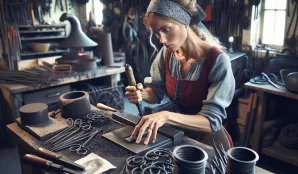
Blacksmith, const salary
Latest available salary statistics are for 2025. Compare average pay, salary range and related job listings.
43 692 - 41 986 SEK / month
Kultur, media, design
Related tools
Salary progression Blacksmith, const
What does an artist blacksmith do? – Tasks and working environment
An artist blacksmith creates unique art objects and decorations in metal, often working with iron, steel, copper, or other metals using traditional smithing techniques. Tasks can include design, construction, and the craftwork of heating and shaping materials with hammers, chisels, and various tools. Many art smiths work on commissions from architects, public sector clients, or private customers, and can operate both in their own workshop and on-site during installations. The working environment is characterized by physical activity, high temperatures, and demands for precision and artistic sensibility. Safety routines are crucial due to risks associated with hot materials and heavy tools.
Salary development over time
The profession of artist blacksmith has shown steady salary growth over the past three years. In 2022, the average salary was 36,200 SEK per month. In 2023, the average increased to 39 779 SEK, representing approximately a 6% increase. In 2024, the salary continued to rise to 41 986 SEK per month, a further increase of about 3.6% from the previous year. This positive trend can partly be explained by increased demand for unique and handcrafted art pieces, as well as greater appreciation for traditional craftsmanship. Skill shortages within the field may also drive up wages, especially for smiths with documented artistic skill and experience. The market’s willingness to pay for high-quality craftsmanship and the societal trend towards sustainable and personalized products also influence salary development.
Artist blacksmith salary – comprehensive overview
- Average salary: 41 986 SEK/month
- Lowest/Highest salary: Data not available
- Hourly wage: 239 SEK/hour (based on 166 hours/month)
- Gender differences: No specific data
- Regional differences: No detailed data available
Education and qualifications
To work as an artist blacksmith, a combination of formal education in smithing or metalworking and practical experience is generally required. Many start through high school vocational programs focused on crafts or industry with specialization in smithing, followed by further specialization through art or vocational higher education. In addition to formal education, developing artistic expression through internships, apprenticeships, and self-study is common. Creativity, technical skill, and perseverance are important qualities for success in this field.
- High school education: Crafts or industrial programs with smithing specialization (3 years)
- Vocational higher education: Specialized training in art smithing (1–2 years)
- Internships/apprenticeships: Strongly recommended for practical experience
- Courses and certifications: Opportunities for advanced training in metalwork and artistic techniques
- Self-study: Common to supplement skills through personal projects
Many art smiths collaborate with architects and designers to create public art installations and artworks in urban environments, making the profession both socially and creatively challenging.
Common benefits and compensation
Art smiths often have access to tools, protective equipment, and sometimes subsidized workshop spaces through employers or partners. Opportunities for wellness contributions, insurance, and skill development through courses or workshops are also available. For larger projects, additional compensation for travel or material handling may be included.
Competition and challenges
The profession of art smithing is characterized by high competition, especially for public commissions and larger art projects. Since many work as self-employed professionals, both artistic talent and business skills are necessary for success. The market is sensitive to economic fluctuations, and securing continuous projects can be difficult. It is also a physically demanding profession with high safety standards and endurance requirements. Technological developments and new materials may require ongoing training.
Tips for aspiring art smiths
To succeed as an artist blacksmith, it’s beneficial to combine strong artistic sensibility with technical skills and perseverance. Being curious and willing to experiment with different materials and techniques opens up new creative possibilities. Good communication skills are important, especially when collaborating with clients or other creatives. Precision and safety awareness are crucial, as work often occurs in challenging environments with risks. Building a portfolio of personal works and networking within the industry can open new opportunities. Flexibility and problem-solving skills help manage diverse projects and client demands. Finally, patience and passion for craftsmanship are key to growth and enjoyment in the profession.
Key facts about artist blacksmiths
- Education level: High school or vocational higher education recommended
- Work environment: Workshop with high temperatures and physical demands
- Work form: Commonly self-employed or project-based employment
- Demand: Approximately 620 job openings in 2024
- Special skills: Combination of artistic and technical expertise required
Career paths and outlook
After three to five years in the profession, many art smiths establish themselves as independent artists or craftspeople, often with their own studios or workshops. It is also common to take on larger and more complex commissions, such as public art, collaborations with architects, or custom projects in construction and interior design. Some choose to further their education in design or metal art to broaden their skills. According to the Swedish Public Employment Service’s forecasts, no specific outlook assessment is provided due to limited data, but demand for unique craftsmanship and artistic products appears stable within the field. Flexibility and a strong portfolio are important for meeting future demands.
Frequently asked questions about artist blacksmiths
- What does an artist blacksmith earn?
- The average salary is 41 986 SEK per month. - What education is required to become an artist blacksmith?
- High school education in metalworking or equivalent vocational training is recommended. - What is the working environment like for art smiths?
- Work primarily takes place in workshop environments with high temperatures and physically demanding tasks. - Are there many job openings in this profession?
- In the occupational group of visual artists, there were approximately 620 job openings during 2024. - Can I work as a self-employed professional?
- Yes, many artists within the craft run their own businesses and take on projects on a contract basis. - Are there regional differences in salary?
- Detailed statistics on regional salary differences for this profession are lacking.

Salary distributed by age and sector

About the data
All information displayed on this page is based on data from the Swedish Central Bureau of Statistics (SCB), the Swedish Tax Agency and the Swedish employment agency. Learn more about our data and data sources here.
All figures are gross salaries, meaning salaries before tax. The average salary, or mean salary, is calculated by adding up the total salary for all individuals within the profession and dividing it by the number of individuals. For specific job categories, we have also considered various criteria such as experience and education.
Profession Blacksmith, const has the SSYK code 2651, which we use to match against the SCB database to obtain the latest salary statistics.


Compare salary, work tasks and job outlook in adjacent occupations to find roles with similar skills or pay levels.
-

Film technicians, film and TV salary
Average salary: 42 300 SEK/month • Kultur, media, design
Image and broadcast technicians
Compare with Blacksmith, const
Tue, 14 Jul 2026 - 11:01 -

Average salary: 40 600 SEK/month • Kultur, media, design
Translators, interpreters and linguists etc.
Compare with Blacksmith, const
Tue, 14 Jul 2026 - 09:18 -

Average salary: 38 500 SEK/month • Kultur, media, design
Photographers
Compare with Blacksmith, const
Mon, 13 Jul 2026 - 23:35 -

Average salary: 42 300 SEK/month • Kultur, media, design
Image and broadcast technicians
Compare with Blacksmith, const
Tue, 14 Jul 2026 - 10:51 -

Average salary: 38 900 SEK/month • Kultur, media, design
Librarians and archivists
Compare with Blacksmith, const
Tue, 14 Jul 2026 - 08:15 -

Composer, popular music salary
Average salary: 47 400 SEK/month • Kultur, media, design
Musicians, singers and composers
Compare with Blacksmith, const
Tue, 14 Jul 2026 - 13:06


