- Salary statistics
- Prosthetics dental nurse salary
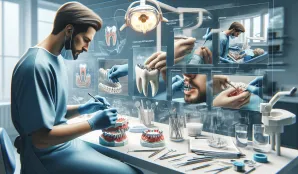
Prosthetics dental nurse salary
Latest available salary statistics are for 2025. Compare average pay, salary range and related job listings.
28 100 - 38 700 SEK / month
Women earn 107% of what men do.
Hälso- & sjukvård
Related tools
Salary progression Prosthetics dental nurse
What does a prosthetic dental assistant do? – Tasks and work environment
A prosthetic dental assistant works within dental care with a focus on prosthetic treatments and dental technical aids. Tasks include assisting dentists with impressions, preparing materials and instruments, and informing patients about prosthesis care. The profession requires precision and good communication skills as contact with patients is central. The work environment is usually clinic-based with good access to technical equipment and close collaboration with other dental care staff.
Salary development over time
The salary for prosthetic dental assistants has shown a stable and positive development over the past three years. In 2022, the average salary was 29,700 SEK per month, which increased to 33 500 SEK in 2023 and further to 33 700 SEK in 2024. This corresponds to a total salary increase of approximately 13 percent over the period. This trend can be explained by increased demand for specialized dental personnel and general salary adjustments within the healthcare sector. Educational requirements and the technical nature of the profession also contribute to relatively good salary growth compared to other dental professions. The market's need for competent prosthetic dental assistants suggests that salary levels are expected to remain stable or increase slightly in the future.
Prosthetic dental assistants often need both technical skill and empathy to effectively help patients adapt to their new prostheses.
Prosthetic dental assistant salary – comprehensive overview
- Average salary: 33 700 SEK/month
- Lowest salary: 27,300 SEK/month (male, municipal sector)
- Highest salary: 38,100 SEK/month (male, public sector)
- Hourly wage: 201 SEK/hour (based on 166 hours/month)
- Gender differences: Women earn on average 107% of men's salaries
- Regional differences: Data is lacking but salary levels may vary between regions
Education and qualifications
The education for prosthetic dental assistants often occurs as a specialization within the dental assistant program or through postgraduate courses. To work in the profession, a basic dental assistant degree plus additional training in prosthetics and dental technology are required. Practical experience in clinics is usually a requirement to develop professional skills.
- Formal qualifications: Dental assistant education (1–2 years), often supplemented with shorter prosthetics courses
- Certifications/courses: Specialized courses in prosthetics and material science
- Internship/trainee: Clinical practice is usually part of the education
- Prerequisites: Basic upper secondary education, often with a focus on science subjects
- Tips for choosing: Select programs that offer clinical practice and up-to-date technical training
Common benefits and compensations
Prosthetic dental assistants are often offered benefits such as collective agreement pension and insurance conditions and opportunities for wellness contributions. Employment in the public sector may provide flexible working hours and holiday benefits. Overtime pay and allowances for unsocial hours may also apply if needed.
Competition and challenges
The profession as a prosthetic dental assistant is characterized by a relatively balanced recruitment situation with moderate competition. Challenges may arise from rapid technical changes and demands for continuous skills development. Additionally, high precision and patience are required when working with patients who may have special needs. The profession must adapt to new materials and methods while maintaining good patient contact and service as central elements.
Tips for those aspiring to become a prosthetic dental assistant
To succeed as a prosthetic dental assistant, it is good to develop both technical precision and communication skills. Attention to detail is important when handling sensitive materials and instruments, while patience is needed to give patients time and support during treatment. Being service-oriented facilitates collaboration with both patients and colleagues. It is also valuable to have an interest in continuous learning to keep up with developments in prosthetics. Finally, good stress resistance can help manage the often fast-paced environment in clinics.
Key facts about prosthetic dental assistants
- Education level: Post-secondary education within dental assistant programs and prosthetics
- Salary range: 27,300–38,100 SEK/month
- Work environment: Clinical setting with close patient contact
- Demand: Moderate and expected to remain unchanged
- Recruitment situation: Balance between supply and demand
Career paths and future prospects
After 3–5 years in the profession, prosthetic dental assistants can advance to specialist roles or take responsibility for training and supervising new staff. Opportunities also exist to work with sales of dental technical products or in administrative roles within dental care. According to the Employment Service's forecasts, job prospects for dental assistants are moderate with a stable recruitment situation. The demand for skilled prosthetic dental assistants is expected to remain unchanged over five years, providing security in career choice. Currently, there are approximately 375 job openings nationwide within the profession.
Frequently asked questions about prosthetic dental assistants
- What does a prosthetic dental assistant earn?
- The average salary is approximately 33 700 SEK per month, with variation depending on experience and sector. - What education is required to become a prosthetic dental assistant?
- A basic dental assistant education plus supplementary courses in prosthetics are required. - Are there regional salary differences?
- Exact data is lacking, but salaries may vary between different parts of the country. - What are the future prospects for the profession?
- Demand is considered moderate and expected to remain unchanged according to the Employment Service. - What personal qualities are important?
- Attention to detail, patience, and good communication skills are central to the profession. - In which sectors can one work?
- Public, municipal, and private dental care are common workplaces. - How does gender influence salary?
- Women earn on average 107% of men's salaries within the profession.

Salary distributed by age and sector
| Age | Base salary | Monthly salary | |
|---|---|---|---|
| 18-24 | 26100 kr | 29600 kr | |
| 25-34 | 29900 kr | 30400 kr | |
| 35-44 | 31600 kr | 31800 kr | |
| 45-54 | 33600 kr | 33800 kr | |
| 55-64 | 35200 kr | 35400 kr | |
| 65-68 | 42200 kr | 42400 kr | |
| Snitt | 107% | 33400 kr | 33700 kr |
| Age | Base salary | Monthly salary | |
|---|---|---|---|
| 18-24 | 100% | 25700 kr | 25900 kr |
| 25-34 | 103% | 28000 kr | 28300 kr |
| 35-44 | 96% | 30000 kr | 30200 kr |
| 45-54 | 109% | 32200 kr | 32400 kr |
| 55-64 | 81% | 34900 kr | 35100 kr |
| 65-68 | 36200 kr | 36500 kr | |
| Snitt | 107% | 31900 kr | 32100 kr |
| Age | Base salary | Monthly salary | |
|---|---|---|---|
| 25-34 | 29800 kr | 29800 kr | |
| 35-44 | 30800 kr | 30800 kr | |
| 45-54 | 32400 kr | 32400 kr | |
| 55-64 | 32900 kr | 32900 kr | |
| 65-68 | 33000 kr | 33000 kr | |
| Snitt | 32200 kr | 32200 kr |
| Age | Base salary | Monthly salary | |
|---|---|---|---|
| 25-34 | 28300 kr | 28300 kr | |
| 35-44 | 31100 kr | 31100 kr | |
| 45-54 | 31700 kr | 31700 kr | |
| 55-64 | 32000 kr | 32000 kr | |
| 65-68 | 36800 kr | 36800 kr | |
| Snitt | 31800 kr | 31800 kr |
| Age | Base salary | Monthly salary | |
|---|---|---|---|
| 18-24 | 100% | 25700 kr | 25900 kr |
| 25-34 | 103% | 28000 kr | 28200 kr |
| 35-44 | 96% | 29900 kr | 30200 kr |
| 45-54 | 109% | 32200 kr | 32400 kr |
| 55-64 | 81% | 35000 kr | 35300 kr |
| 65-68 | 36300 kr | 36600 kr | |
| Snitt | 107% | 31900 kr | 32100 kr |
| Age | Base salary | Monthly salary | |
|---|---|---|---|
| 25-34 | 31100 kr | 31700 kr | |
| 35-44 | 32700 kr | 33000 kr | |
| 45-54 | 34400 kr | 34600 kr | |
| 55-64 | 35300 kr | 35500 kr | |
| 65-68 | 45200 kr | 45200 kr | |
| Snitt | 34400 kr | 34700 kr |
| Age | Base salary | Monthly salary | |
|---|---|---|---|
| 25-34 | 31100 kr | 31700 kr | |
| 35-44 | 32700 kr | 33000 kr | |
| 45-54 | 34400 kr | 34600 kr | |
| 55-64 | 35300 kr | 35500 kr | |
| 65-68 | 45200 kr | 45200 kr | |
| Snitt | 34400 kr | 34700 kr |
| Age | Base salary | Monthly salary | |
|---|---|---|---|
| Snitt | 107% | 29400 kr | 31600 kr |
| Age | Base salary | Monthly salary | |
|---|---|---|---|
| 18-24 | 100% | 25900 kr | 25900 kr |
| 25-34 | 103% | 27000 kr | 27300 kr |
| 35-44 | 96% | 31300 kr | 31400 kr |
| 45-54 | 109% | 29300 kr | 29700 kr |
| 55-64 | 81% | 43200 kr | 43300 kr |
| Snitt | 107% | 29800 kr | 30100 kr |
| Age | Base salary | Monthly salary | |
|---|---|---|---|
| 18-24 | 100% | 25900 kr | 25900 kr |
| 25-34 | 103% | 27000 kr | 27300 kr |
| 35-44 | 96% | 31300 kr | 31400 kr |
| 45-54 | 109% | 29300 kr | 29700 kr |
| 55-64 | 81% | 43200 kr | 43300 kr |
| Snitt | 107% | 29800 kr | 30000 kr |
| Age | Base salary | Monthly salary | |
|---|---|---|---|
| 18-24 | 26200 kr | 28900 kr | |
| 25-34 | 30000 kr | 30400 kr | |
| 35-44 | 31600 kr | 31800 kr | |
| 45-54 | 33600 kr | 33900 kr | |
| 55-64 | 35100 kr | 35300 kr | |
| 65-68 | 42300 kr | 42400 kr | |
| Snitt | 107% | 33500 kr | 33800 kr |
| Age | Base salary | Monthly salary | |
|---|---|---|---|
| 18-24 | 100% | 25700 kr | 25900 kr |
| 25-34 | 103% | 28100 kr | 28300 kr |
| 35-44 | 96% | 30000 kr | 30200 kr |
| 45-54 | 109% | 32200 kr | 32500 kr |
| 55-64 | 81% | 34900 kr | 35100 kr |
| 65-68 | 36200 kr | 36500 kr | |
| Snitt | 107% | 31900 kr | 32100 kr |
| Age | Base salary | Monthly salary | |
|---|---|---|---|
| 25-34 | 29800 kr | 29800 kr | |
| 35-44 | 30800 kr | 30800 kr | |
| 45-54 | 32400 kr | 32400 kr | |
| 55-64 | 32900 kr | 32900 kr | |
| 65-68 | 33100 kr | 33200 kr | |
| Snitt | 32200 kr | 32200 kr |
| Age | Base salary | Monthly salary | |
|---|---|---|---|
| 25-34 | 28300 kr | 28300 kr | |
| 35-44 | 31100 kr | 31100 kr | |
| 45-54 | 31700 kr | 31700 kr | |
| 55-64 | 32000 kr | 32000 kr | |
| 65-68 | 36800 kr | 36800 kr | |
| Snitt | 31800 kr | 31800 kr |
| Age | Base salary | Monthly salary | |
|---|---|---|---|
| 18-24 | 100% | 25700 kr | 25900 kr |
| 25-34 | 103% | 28000 kr | 28300 kr |
| 35-44 | 96% | 29900 kr | 30200 kr |
| 45-54 | 109% | 32200 kr | 32500 kr |
| 55-64 | 81% | 35000 kr | 35200 kr |
| 65-68 | 36300 kr | 36600 kr | |
| Snitt | 107% | 31900 kr | 32100 kr |
| Age | Base salary | Monthly salary | |
|---|---|---|---|
| 25-34 | 31200 kr | 31700 kr | |
| 35-44 | 32700 kr | 33000 kr | |
| 45-54 | 34400 kr | 34600 kr | |
| 55-64 | 35300 kr | 35500 kr | |
| 65-68 | 45200 kr | 45300 kr | |
| Snitt | 34400 kr | 34800 kr |
| Age | Base salary | Monthly salary | |
|---|---|---|---|
| 25-34 | 31200 kr | 31700 kr | |
| 35-44 | 32700 kr | 33000 kr | |
| 45-54 | 34400 kr | 34600 kr | |
| 55-64 | 35300 kr | 35500 kr | |
| 65-68 | 45200 kr | 45300 kr | |
| Snitt | 34400 kr | 34800 kr |

About the data
All information displayed on this page is based on data from the Swedish Central Bureau of Statistics (SCB), the Swedish Tax Agency and the Swedish employment agency. Learn more about our data and data sources here.
All figures are gross salaries, meaning salaries before tax. The average salary, or mean salary, is calculated by adding up the total salary for all individuals within the profession and dividing it by the number of individuals. For specific job categories, we have also considered various criteria such as experience and education.
Profession Prosthetics dental nurse has the SSYK code 5350, which we use to match against the SCB database to obtain the latest salary statistics.
-

Dental Nurse with Area Responsibility for Mobile Dental Care in Stockholm
Dental assistants
Mon, 13 Jul 2026 - 23:58 -

Team Leader / Dental Nurse at Ludvikatandläkarna – Take the Next Step in Your Career
Dental assistants
Mon, 13 Jul 2026 - 22:01

Compare salary, work tasks and job outlook in adjacent occupations to find roles with similar skills or pay levels.
-

Average salary: 46 100 SEK/month • Hälso- & sjukvård
Opticians
Compare with Prosthetics dental nurse
Sun, 12 Jul 2026 - 03:56 -

Average salary: 29 600 SEK/month • Hälso- & sjukvård
Care assistants
Compare with Prosthetics dental nurse
Sat, 11 Jul 2026 - 23:14 -

Average salary: 38 300 SEK/month • Hälso- & sjukvård
Audiologists and speech therapists
Compare with Prosthetics dental nurse
Tue, 14 Jul 2026 - 00:37 -

Home care staff, assistant nurse salary
Average salary: 33 800 SEK/month • Hälso- & sjukvård
Assistant nurses, home care, nursing homes etc.
Compare with Prosthetics dental nurse
Tue, 14 Jul 2026 - 08:00 -

Average salary: 57 500 SEK/month • Hälso- & sjukvård
Dentists
Compare with Prosthetics dental nurse
Mon, 13 Jul 2026 - 19:49 -

Laboratory assistant, hospital salary
Average salary: 30 500 SEK/month • Hälso- & sjukvård
Other health and care staff
Compare with Prosthetics dental nurse
Tue, 14 Jul 2026 - 07:14


