- Salary statistics
- Pensioner host salary
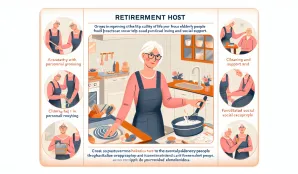
Pensioner host salary
Latest available salary statistics are for 2025. Compare average pay, salary range and related job listings.
27 100 - 45 100 SEK / month
Women earn 101% of what men do.
Hälso- & sjukvård
Related tools
Salary progression Pensioner host
What does a pensioner carer do? – Tasks and work environment
A pensioner carer plays a central role in supporting elderly individuals in their daily lives, often within municipal care and social services. Tasks include assisting pensioners with social activities, creating meaningful encounters, and contributing to a safe and stimulating environment. The work is often in close contact with users, relatives, and other care professionals. The work environment is varied and requires attentiveness, patience, and the ability to handle both practical and emotional situations.
Salary development over time
The salary for a pensioner carer has shown a clear increase over the past three years. In 2022, the average salary was 27,100 SEK per month, followed by an increase to 30 200 during 2023. In 2024, the average salary has risen further to 30 500, which corresponds to approximately 11% salary growth over the period. This positive trend can be linked to an increased focus on quality in elderly care and a growing demand for social interventions for seniors. Investments in skills development and improved working conditions within the care sector have also positively impacted salary development. Although the profession is mainly found in the public sector, there is a strengthening of status and salary levels, especially for those combining experience with further education.
Pensioner carer salary – comprehensive overview
- Average salary: 30 500 SEK/month
- Lowest salary: 26,500 SEK/month (female, government sector, less than 9 years of schooling)
- Highest salary: 41,700 SEK/month (female, municipal sector, research education)
- Hourly wage (average): 181 SEK/hour
- Women earn: 30 600 SEK/month (101% of men's salary)
- Men earn: 30 300 SEK/month
- Regional variations: May occur, but exact levels vary depending on municipality and employer
Education and qualifications
Working as a pensioner carer typically requires no formal university education, but a background in healthcare, social work, or care is often advantageous. Practical experience and personal suitability are highly valued, as is the ability to treat the elderly with respect and engagement. Many employers prefer applicants who have completed high school level care and social work education, but relevant shorter courses or internal training can also be relevant.
- High school care and social work education: 3 years
- Courses in elderly care and communication: often offered internally or via municipalities
- Internship or experience from healthcare/social care: strong merit
- No formal university degree required
- Personal suitability and social skills: very important qualities
Working as a pensioner carer often means becoming an important part of seniors' social lives and helping to break loneliness. Many pensioner carers highlight the opportunity to influence the daily life of the elderly as one of the most rewarding aspects of the profession, and it is common for workdays to include both laughter and meaningful conversations.
Common benefits and compensations
Pensioner carers are often covered by collective agreements that provide access to occupational pensions, extra vacation days, and wellness allowances. Other common benefits include subsidized lunches, further training, and flexible working hours. In some municipalities, bonuses or special initiatives related to skills development also exist.
Competition and challenges
The competition for positions as a pensioner carer varies by region, but there is generally a shortage of staff in elderly care. One of the biggest challenges is meeting high social competence requirements while handling sometimes stressful work environments with diverse needs among users. The work can be physically and emotionally demanding, especially during periods of high workload. The ability to adapt quickly and collaborate with colleagues is crucial. Despite these challenges, the profession offers good opportunities for development and meaningful work content.
Tips for those who want to become a pensioner carer
To succeed as a pensioner carer, it is good to be attentive and genuinely willing to help others, which facilitates building trust with the elderly. Being flexible and able to adapt to different situations makes daily tasks easier. Social skills are important for leading activities and creating a safe environment. It is also wise to gain experience early through internships or volunteering in elderly care, as practical knowledge is highly valued. Staying updated on new methods and participating in further training can be advantageous. Patience and stress resilience help when facing unexpected challenges, while engagement and a positive attitude contribute to job satisfaction for both you and the elderly.
Key facts about pensioner carer
- Average salary: 30 500 SEK/month
- Education level: High school care and social work education is common
- Gender differences: Women earn 101% of men's salary
- Work environment: Often municipal, social, and varied
- Vacant jobs: 375 within the related occupational group
Career paths and future prospects
After three to five years as a pensioner carer, there are opportunities to develop further within elderly care, such as becoming a coordinator, unit manager, or further education as an assistant nurse or occupational therapy assistant. Those interested in specializing in areas like dementia care or social activation can do so through additional training and experience. According to the Employment Service, no precise forecast is made for the profession, but there is a stable demand within the group of other care and social service personnel, which includes pensioner carers. The sector's need for socially skilled personnel is expected to remain, especially as the population ages and more seniors seek support and activities.
Common questions about pensioner carer
- What does a pensioner carer earn?
- A pensioner carer has an average salary of 30 500 SEK per month. - Are there salary differences between women and men?
- Yes, women earn on average 30 600 SEK and men 30 300 SEK, which means women have 101% of men's salaries. - What education is required to become a pensioner carer?
- High school care and social work education is most common, but experience from healthcare or social work is also advantageous. - What are the future prospects for pensioner carers?
- There is ongoing demand in the profession, but no exact forecast due to limited statistical data. - What is the highest salary for a pensioner carer?
- The highest reported salary is 41,700 SEK per month for a woman in the municipal sector with research education. - How many vacant jobs are there?
- There were 375 vacant jobs in the related occupational group in the latest survey. - What personal qualities are important?
- Attentiveness, patience, social skills, and the ability to create security are important qualities in the profession.

Salary distributed by age and sector
| Age | Base salary | Monthly salary | |
|---|---|---|---|
| 18-24 | 100% | 24000 kr | 28900 kr |
| 25-34 | 99% | 25900 kr | 30200 kr |
| 35-44 | 99% | 27300 kr | 30500 kr |
| 45-54 | 98% | 28700 kr | 31700 kr |
| 55-64 | 101% | 30200 kr | 32500 kr |
| 65-68 | 114% | 31400 kr | 34800 kr |
| Snitt | 101% | 26600 kr | 30500 kr |
| Age | Base salary | Monthly salary | |
|---|---|---|---|
| 18-24 | 101% | 24100 kr | 28900 kr |
| 25-34 | 99% | 25800 kr | 30200 kr |
| 35-44 | 99% | 27300 kr | 30900 kr |
| 45-54 | 99% | 28600 kr | 31900 kr |
| 55-64 | 101% | 30200 kr | 32900 kr |
| 65-68 | 108% | 32300 kr | 36500 kr |
| Snitt | 101% | 26600 kr | 30600 kr |
| Age | Base salary | Monthly salary | |
|---|---|---|---|
| 18-24 | 103% | 25700 kr | 25700 kr |
| 25-34 | 102% | 27900 kr | 28100 kr |
| 35-44 | 96% | 31600 kr | 32200 kr |
| 45-54 | 94% | 32500 kr | 33700 kr |
| 55-64 | 94% | 33300 kr | 34800 kr |
| 65-68 | 86% | 32900 kr | 34200 kr |
| Snitt | 102% | 28500 kr | 28800 kr |
| Age | Base salary | Monthly salary | |
|---|---|---|---|
| 18-24 | 98% | 23700 kr | 28100 kr |
| 25-34 | 99% | 25400 kr | 29300 kr |
| 35-44 | 101% | 26800 kr | 30000 kr |
| 45-54 | 101% | 28300 kr | 30800 kr |
| 55-64 | 105% | 30500 kr | 32600 kr |
| 65-68 | 108% | 30200 kr | 33500 kr |
| Snitt | 101% | 26100 kr | 29600 kr |
| Age | Base salary | Monthly salary | |
|---|---|---|---|
| 18-24 | 103% | 24300 kr | 29900 kr |
| 25-34 | 99% | 26100 kr | 31200 kr |
| 35-44 | 99% | 27600 kr | 31700 kr |
| 45-54 | 99% | 28900 kr | 32900 kr |
| 55-64 | 100% | 29900 kr | 33200 kr |
| 65-68 | 107% | 33200 kr | 37700 kr |
| Snitt | 101% | 27000 kr | 31700 kr |
| Age | Base salary | Monthly salary | |
|---|---|---|---|
| 18-24 | 23700 kr | 29100 kr | |
| 25-34 | 26400 kr | 30100 kr | |
| 35-44 | 27200 kr | 28400 kr | |
| 45-54 | 28800 kr | 30300 kr | |
| 55-64 | 29900 kr | 30900 kr | |
| Snitt | 100% | 27000 kr | 29600 kr |
| Age | Base salary | Monthly salary | |
|---|---|---|---|
| 18-24 | 23700 kr | 29100 kr | |
| 25-34 | 26400 kr | 30100 kr | |
| 35-44 | 27200 kr | 28400 kr | |
| 45-54 | 28800 kr | 30300 kr | |
| 55-64 | 29900 kr | 30900 kr | |
| Snitt | 100% | 27000 kr | 29600 kr |
| Age | Base salary | Monthly salary | |
|---|---|---|---|
| 18-24 | 100% | 23900 kr | 28900 kr |
| 25-34 | 99% | 25600 kr | 30300 kr |
| 35-44 | 99% | 26700 kr | 30700 kr |
| 45-54 | 98% | 28100 kr | 32200 kr |
| 55-64 | 101% | 29400 kr | 32300 kr |
| 65-68 | 114% | 29000 kr | 31200 kr |
| Snitt | 101% | 25900 kr | 30300 kr |
| Age | Base salary | Monthly salary | |
|---|---|---|---|
| 18-24 | 101% | 23900 kr | 28700 kr |
| 25-34 | 99% | 25600 kr | 30400 kr |
| 35-44 | 99% | 26800 kr | 31000 kr |
| 45-54 | 99% | 28100 kr | 32300 kr |
| 55-64 | 101% | 29100 kr | 32700 kr |
| 65-68 | 108% | 30200 kr | 34100 kr |
| Snitt | 101% | 25900 kr | 30400 kr |
| Age | Base salary | Monthly salary | |
|---|---|---|---|
| 18-24 | 103% | 25400 kr | 25500 kr |
| 25-34 | 102% | 27500 kr | 27700 kr |
| 35-44 | 96% | 31900 kr | 33000 kr |
| 45-54 | 94% | 33000 kr | 34900 kr |
| 55-64 | 94% | 33000 kr | 35900 kr |
| 65-68 | 86% | 34300 kr | 36600 kr |
| Snitt | 102% | 28000 kr | 28600 kr |
| Age | Base salary | Monthly salary | |
|---|---|---|---|
| 18-24 | 98% | 23700 kr | 28400 kr |
| 25-34 | 99% | 25300 kr | 29500 kr |
| 35-44 | 101% | 25900 kr | 29800 kr |
| 45-54 | 101% | 27100 kr | 30600 kr |
| 55-64 | 105% | 28700 kr | 31300 kr |
| 65-68 | 108% | 29000 kr | 31600 kr |
| Snitt | 101% | 25200 kr | 29400 kr |
| Age | Base salary | Monthly salary | |
|---|---|---|---|
| 18-24 | 103% | 23900 kr | 29400 kr |
| 25-34 | 99% | 25900 kr | 31400 kr |
| 35-44 | 99% | 27200 kr | 31800 kr |
| 45-54 | 99% | 28400 kr | 33200 kr |
| 55-64 | 100% | 29100 kr | 33300 kr |
| 65-68 | 107% | 30700 kr | 35500 kr |
| Snitt | 101% | 26300 kr | 31400 kr |
| Age | Base salary | Monthly salary | |
|---|---|---|---|
| Snitt | 100% | 26000 kr | 29700 kr |
| Age | Base salary | Monthly salary | |
|---|---|---|---|
| Snitt | 100% | 26000 kr | 29700 kr |
| Age | Base salary | Monthly salary | |
|---|---|---|---|
| 18-24 | 100% | 24100 kr | 28900 kr |
| 25-34 | 99% | 26100 kr | 30100 kr |
| 35-44 | 99% | 27500 kr | 30500 kr |
| 45-54 | 98% | 28900 kr | 31600 kr |
| 55-64 | 101% | 30400 kr | 32600 kr |
| 65-68 | 114% | 32100 kr | 35700 kr |
| Snitt | 101% | 27000 kr | 30600 kr |
| Age | Base salary | Monthly salary | |
|---|---|---|---|
| 18-24 | 101% | 24200 kr | 28900 kr |
| 25-34 | 99% | 26000 kr | 30100 kr |
| 35-44 | 99% | 27500 kr | 30900 kr |
| 45-54 | 99% | 28800 kr | 31800 kr |
| 55-64 | 101% | 30500 kr | 33000 kr |
| 65-68 | 108% | 32700 kr | 36900 kr |
| Snitt | 101% | 26900 kr | 30800 kr |
| Age | Base salary | Monthly salary | |
|---|---|---|---|
| 18-24 | 103% | 26100 kr | 26100 kr |
| 25-34 | 102% | 28300 kr | 28400 kr |
| 35-44 | 96% | 31300 kr | 31600 kr |
| 45-54 | 94% | 32200 kr | 32700 kr |
| 55-64 | 94% | 33500 kr | 33800 kr |
| 65-68 | 86% | 31500 kr | 31700 kr |
| Snitt | 102% | 28900 kr | 29100 kr |
| Age | Base salary | Monthly salary | |
|---|---|---|---|
| 18-24 | 98% | 23700 kr | 27900 kr |
| 25-34 | 99% | 25500 kr | 29200 kr |
| 35-44 | 101% | 27100 kr | 30000 kr |
| 45-54 | 101% | 28600 kr | 30900 kr |
| 55-64 | 105% | 30800 kr | 32800 kr |
| 65-68 | 108% | 30500 kr | 34000 kr |
| Snitt | 101% | 26400 kr | 29800 kr |
| Age | Base salary | Monthly salary | |
|---|---|---|---|
| 18-24 | 103% | 24500 kr | 30100 kr |
| 25-34 | 99% | 26300 kr | 31000 kr |
| 35-44 | 99% | 27700 kr | 31600 kr |
| 45-54 | 99% | 29000 kr | 32800 kr |
| 55-64 | 100% | 30200 kr | 33200 kr |
| 65-68 | 107% | 33500 kr | 38100 kr |
| Snitt | 101% | 27300 kr | 31800 kr |
| Age | Base salary | Monthly salary | |
|---|---|---|---|
| 25-34 | 27000 kr | 30200 kr | |
| 55-64 | 29700 kr | 30900 kr | |
| Snitt | 100% | 27600 kr | 29600 kr |
| Age | Base salary | Monthly salary | |
|---|---|---|---|
| 25-34 | 27000 kr | 30200 kr | |
| 55-64 | 29700 kr | 30900 kr | |
| Snitt | 100% | 27600 kr | 29600 kr |

About the data
All information displayed on this page is based on data from the Swedish Central Bureau of Statistics (SCB), the Swedish Tax Agency and the Swedish employment agency. Learn more about our data and data sources here.
All figures are gross salaries, meaning salaries before tax. The average salary, or mean salary, is calculated by adding up the total salary for all individuals within the profession and dividing it by the number of individuals. For specific job categories, we have also considered various criteria such as experience and education.
Profession Pensioner host has the SSYK code 5349, which we use to match against the SCB database to obtain the latest salary statistics.
-

Dental Assistant for Orofacial Medicine and Cariology, Region Västerbotten
Other health and care staff
Mon, 13 Jul 2026 - 06:46 -
Project Assistant for Zebrafish Research – University of Gothenburg
Other health and care staff
Wed, 8 Jul 2026 - 21:22 -
Medicine Service – Fixed-term Position at the Medicines Centre
Other health and care staff
Fri, 3 Jul 2026 - 20:35 -

Forensic Medicine Assistant in Linköping – 1-Year Fixed-Term Position
Other health and care staff
Fri, 3 Jul 2026 - 06:47
Compare salary, work tasks and job outlook in adjacent occupations to find roles with similar skills or pay levels.
-

Average salary: 98 000 SEK/month • Hälso- & sjukvård
Specialist doctors
Compare with Pensioner host
Tue, 14 Jul 2026 - 16:17 -

Average salary: 98 000 SEK/month • Hälso- & sjukvård
Specialist doctors
Compare with Pensioner host
Tue, 14 Jul 2026 - 16:17 -

Occupational psychologist salary
Average salary: 48 600 SEK/month • Hälso- & sjukvård
Psychologists
Compare with Pensioner host
Tue, 14 Jul 2026 - 13:07 -

Average salary: 30 500 SEK/month • Hälso- & sjukvård
Other health and care staff
Compare with Pensioner host
Tue, 14 Jul 2026 - 17:12 -

Average salary: 29 600 SEK/month • Hälso- & sjukvård
Care assistants
Compare with Pensioner host
Tue, 14 Jul 2026 - 17:59 -

Average salary: 98 000 SEK/month • Hälso- & sjukvård
Specialist doctors
Compare with Pensioner host
Tue, 14 Jul 2026 - 19:09


