- Salary statistics
- Paper conservator salary
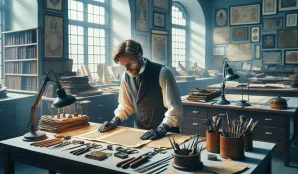
Paper conservator salary
Latest available salary statistics are for 2025. Compare average pay, salary range and related job listings.
43 692 - 41 986 SEK / month
Kultur, media, design
Related tools
Salary progression Paper conservator
What does a paper conservator do? – Tasks and work environment
A paper conservator is responsible for preserving, restoring, and protecting artworks, documents, and other paper objects. The work involves examining, analyzing, and treating damages caused by factors such as age, light, moisture, or unsuitable storage conditions. Paper conservators often work at museums, archives, libraries, or private studios, encountering a diverse collection of historically and culturally valuable items. The work environment is typically laboratory- or studio-based, emphasizing precision, patience, and a high level of responsibility for handling unique objects.
Salary development over time
The profession of paper conservator has shown a stable and positive salary trend over the past three years. In 2022, the average salary was 36,200 SEK per month, increasing to 39 779 SEK in 2023, which is approximately a 6% increase. In 2024, the average salary continues to rise to 41 986 SEK, representing an additional increase of just over 3.5% from the previous year. This development reflects a steady demand for the expertise, despite a generally limited job market in cultural professions. Salaries are also influenced by factors such as education level, specialization, and employer size. An ongoing awareness of conservation and cultural heritage may help maintain or increase salary levels in the future.
Paper conservator salary – complete overview
- Average salary: 41 986 SEK/month
- Lowest/Highest salary: No available data
- Hourly wage: 239 SEK
- Gender differences: No available data
- Regional differences: No available data
Education and qualifications
To work as a paper conservator, a specialized university degree in conservation is required, often with a focus on paper. The education combines theoretical studies in chemistry, art history, and materials science with practical components and extended internships. Many employers also value experience from museums or archives and documented skills through work samples.
- Formal degree: Bachelor's degree in conservation (3 years) with the possibility of a master's program (additional 2 years)
- Internships: Extended practical training during education, often at museums or archives
- Courses/certifications: Advanced courses in paper conservation and related materials
- Prerequisites: Basic eligibility requirements plus specific chemistry and art subject prerequisites
- Tips for application: Work samples and portfolio can be decisive for admission and employment
Paper conservators often work with objects of great historical and cultural value – a single workday may involve restoring everything from medieval manuscripts to contemporary artworks. This variety requires both technical skill and a strong interest in history and culture.
Common benefits and compensations
Common benefits for paper conservators include flexible working hours, opportunities for professional development through courses and conferences, and access to specialized laboratories. Some employers also offer wellness allowances and subsidized lunches, while longer vacations and collective agreements are standard at many public institutions.
Competition and challenges
The job market for paper conservators is characterized by high competition, as the number of positions is limited and many workplaces are within public institutions such as museums and archives. Securing a permanent position can take time, and many start with project-based or temporary roles. Developments in digitization and new preservation methods require continuous training. Additionally, the profession may involve physical challenges, such as working with chemicals and performing precise tasks for extended periods. The lack of specific future forecasts makes career planning especially important for those wishing to succeed in the field.
Tips for aspiring paper conservators
To succeed as a paper conservator, a combination of meticulousness, patience, and a genuine interest in cultural heritage is beneficial. Early efforts should include seeking internships and building contacts within museums and archives, which can improve employment prospects. Developing craftsmanship through work samples and projects is crucial, as is staying updated on new conservation techniques. Creative problem-solving and analytical skills facilitate daily work, where each object may require unique solutions. Good teamwork skills are valued, as work often occurs in teams with other specialists. Flexibility and an eye for detail are essential qualities for managing challenges and opportunities in the profession.
Key facts about Paper Conservator
- Educational level: University education, at least bachelor's level
- Work environment: Laboratory/studio-based, often within museums or archives
- Professional group: Visual artists and similar
- Available jobs in the profession: 620
- Future outlook: No specific assessment, limited data
Career paths and future prospects
After three to five years in the profession, a paper conservator can undertake more advanced restoration projects, supervise students, or become a project manager for larger preservation initiatives. Some choose to specialize in areas such as modern art, archive materials, or research into new conservation methods. Opportunities also exist to work internationally or start their own business. The Swedish Public Employment Service's forecasts for visual artists and similar indicate no specific assessment for the paper conservator profession, but there are approximately 620 available jobs in the field. Since positions are limited and competition high, networking and specialized skills are key factors for long-term career development.
Frequently asked questions about Paper Conservator
- What does a paper conservator earn?
- A paper conservator has an average salary of 41 986 SEK per month. - What education is required to become a paper conservator?
- A university degree in conservation, often with a focus on paper and practical experience at museums or archives. - What is the job market like for paper conservators?
- The job market is limited and competitive, but there are approximately 620 available positions in related professions. - What are the tasks of a paper conservator?
- The tasks include preservation, restoration, and protection of artworks, documents, and other paper objects. - What personal qualities are important in this profession?
- Attention to detail, patience, problem-solving skills, and an interest in cultural heritage are important qualities. - Are there regional salary differences for paper conservators?
- There is no available data on regional salary differences for this profession. - What can one work on after a few years as a paper conservator?
- After a few years, you can take on more advanced projects, supervise others, or work internationally.

Salary distributed by age and sector

About the data
All information displayed on this page is based on data from the Swedish Central Bureau of Statistics (SCB), the Swedish Tax Agency and the Swedish employment agency. Learn more about our data and data sources here.
All figures are gross salaries, meaning salaries before tax. The average salary, or mean salary, is calculated by adding up the total salary for all individuals within the profession and dividing it by the number of individuals. For specific job categories, we have also considered various criteria such as experience and education.
Profession Paper conservator has the SSYK code 2651, which we use to match against the SCB database to obtain the latest salary statistics.


Compare salary, work tasks and job outlook in adjacent occupations to find roles with similar skills or pay levels.
-

Average salary: 42 300 SEK/month • Kultur, media, design
Image and broadcast technicians
Compare with Paper conservator
Tue, 14 Jul 2026 - 16:17 -
Average salary: 41 986 SEK/month • Kultur, media, design
Visual artists etc.
Compare with Paper conservator
Tue, 14 Jul 2026 - 16:31 -

Average salary: 47 400 SEK/month • Kultur, media, design
Musicians, singers and composers
Compare with Paper conservator
Tue, 14 Jul 2026 - 19:02 -

Average salary: 39 900 SEK/month • Kultur, media, design
Interior designers, decorators and scenographers etc.
Compare with Paper conservator
Tue, 14 Jul 2026 - 10:07 -

Average salary: 38 900 SEK/month • Kultur, media, design
Librarians and archivists
Compare with Paper conservator
Tue, 14 Jul 2026 - 10:06 -

Average salary: 38 500 SEK/month • Kultur, media, design
Photographers
Compare with Paper conservator
Tue, 14 Jul 2026 - 14:13


