- Salary statistics
- Rivets, heavy plate salary
Rivets, heavy plate salary
Latest available salary statistics are for 2025. Compare average pay, salary range and related job listings.
39 100 - 39 700 SEK / month
Industriell tillverkning
Related tools
Salary progression Rivets, heavy plate
What does a riveter in heavy plate work do? – Tasks and working environment
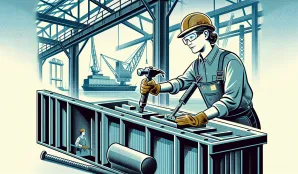
A riveter in heavy plate primarily works with joining heavy steel and sheet metal structures through riveting, which is a method of fastening materials using rivets rather than welding or bolting. The work is often carried out at industrial sites, shipyards, or construction sites where large steel structures are assembled, such as bridges, ships, or building frames. The working environment is characterized by high noise levels, heavy lifting, and sometimes working at heights. Personal protective equipment is essential, and safety routines must be followed carefully to minimize the risk of accidents.
Salary development over time
The salary for a riveter in heavy plate has steadily increased in recent years. In 2022, the average salary was 32800 SEK per month, rising to 36 500 SEK in 2023. During 2024, the average salary continued upward and is now 39 700 SEK per month, which corresponds to an increase of about 11.3% over three years. This positive trend can be partly explained by ongoing high demand in industrial manufacturing and infrastructure sectors, as well as increased focus on skilled labor and safety in the workplace. Market needs for specialized tradespeople have also contributed to rising salary levels, especially in regions and industries with large projects and new constructions.
Riveter, heavy plate salary – complete overview
- Average salary: 39 700 SEK/month
- Lowest/Highest salary: Data not available, but variations occur depending on experience and region
- Hourly wage: 219 SEK/hour (based on 166 hours/month)
- Gender differences: Men earn 39 800 SEK, data for women is not available
- Regional differences: Specific figures are not available, but salary levels may vary between metropolitan regions and smaller towns
Education and qualifications
To work as a riveter in heavy plate, a vocational upper secondary education in industrial technology with specialization in sheet metal processing, welding, or similar is usually required. Practical experience is very important, and many employers prefer applicants who have completed an apprenticeship or internship. Additional certifications in safety or specialized skills, such as hot work, can be advantageous. Some further training in modern riveting techniques and machine handling exists, and many supplement with shorter courses or internal training.
- Vocational upper secondary education: Industrial technology program, 3 years
- Certifications: Hot work, safety training
- Internship: Apprenticeship or industry internship recommended
- Further training: Opportunities for specialized courses in riveting and machine handling
- Prerequisites: Technical understanding and good physics skills
Riveting is a traditional joining method still used in modern constructions where welding is not possible or desirable. It requires great precision and teamwork, especially when working with very heavy components.
Common benefits and compensations
Employees working as riveters in heavy plate are often covered by collective agreements, which include rights to overtime pay, holiday pay, and occupational pension. Other benefits may include work clothing, wellness contributions, and sometimes opportunities for skill development through internal or external training. Some workplaces also offer insurance coverage and subsidized meals.
Competition and challenges
The competition for jobs as a riveter in heavy plate varies depending on region and economic conditions. There is a certain shortage of qualified industrial workers, which means that individuals with the right education and experience often have good chances of employment. At the same time, the profession demands high physical endurance, precision, and the ability to work under pressure. Technological changes, such as automation and new materials, can also alter job tasks and require ongoing skills development. Challenges related to the work environment and safety are always present, especially when working at heights or in noisy environments.
Tips for those who want to become a riveter in heavy plate
To succeed as a riveter in heavy plate, it is good to have a technical interest and a willingness to learn new methods. Precision is crucial since each rivet must be placed correctly to ensure the structural integrity, so training in accuracy during education is beneficial. Physical endurance and strength are important qualities, as the work often involves heavy lifts and long workdays in sometimes demanding environments. Teamwork skills facilitate the job, as many tasks require working in teams. Flexibility and openness to new techniques make it easier to adapt to industry changes, and the ability to follow safety instructions is vital to avoid accidents. Continuously updating your knowledge through shorter courses or internal training increases employment prospects and salary development.
Key facts about Riveter, heavy plate
- Education level: Vocational upper secondary education is most common
- Work environment: Industry, construction sites, often noisy and physically demanding
- Number of job openings: 1437 within the occupational group
- Work form: Full-time or shift work, often covered by collective agreements
- Special skills: Riveting techniques and safety routines
Career paths and future prospects
After three to five years in the profession as a riveter in heavy plate, opportunities exist to advance to supervisory roles, such as foreman, or to specialize in other areas like welding, assembly management, or quality assurance. It is also common to broaden skills through further education in mechanical engineering or project management. According to the Swedish Public Employment Service’s forecasts, no specific assessment is made for riveters in heavy plate due to limited data, but the large number of job openings suggests continued demand. Future prospects are influenced by economic cycles and investments in industry and infrastructure, so flexibility and further training are important for long-term job security.
Common questions about Riveter, heavy plate
- What does a riveter in heavy plate earn?
- The average salary is 39 700 SEK per month, with an hourly wage of 219 SEK. - Is special training required to become a riveter in heavy plate?
- Yes, a vocational upper secondary education in industrial technology and practical experience are usually required. - Are there salary differences between men and women?
- Salary data exists for men (39 800 SEK), but specific statistics for women are lacking. - What is the working environment like?
- The working environment is often noisy, physically demanding, and requires high safety standards. - How many job openings are there?
- There are 1437 job openings within the occupational group of steel construction assemblers and heavy plate workers. - What are the career opportunities long-term?
- Advancement to supervisor, assembly manager, or further training in related fields is possible. - What are the most common benefits?
- Collective agreements, overtime pay, occupational pension, and wellness contributions are common.

Salary distributed by age and sector
| Age | Base salary | Monthly salary | |
|---|---|---|---|
| Snitt | 39100 kr | 39700 kr |
| Age | Base salary | Monthly salary | |
|---|---|---|---|
| Snitt | 39100 kr | 39700 kr |
| Age | Base salary | Monthly salary | |
|---|---|---|---|
| Snitt | 39100 kr | 39700 kr |
| Age | Base salary | Monthly salary | |
|---|---|---|---|
| Snitt | 39200 kr | 39800 kr |
| Age | Base salary | Monthly salary | |
|---|---|---|---|
| Snitt | 39200 kr | 39800 kr |
| Age | Base salary | Monthly salary | |
|---|---|---|---|
| Snitt | 39200 kr | 39800 kr |

About the data
All information displayed on this page is based on data from the Swedish Central Bureau of Statistics (SCB), the Swedish Tax Agency and the Swedish employment agency. Learn more about our data and data sources here.
All figures are gross salaries, meaning salaries before tax. The average salary, or mean salary, is calculated by adding up the total salary for all individuals within the profession and dividing it by the number of individuals. For specific job categories, we have also considered various criteria such as experience and education.
Profession Rivets, heavy plate has the SSYK code 7215, which we use to match against the SCB database to obtain the latest salary statistics.
-
Travel Erector for Steel Halls – Precision, Teamwork, and Travel
Steel construction assemblers and heavy plate workers
Mon, 13 Jul 2026 - 20:33 -

Foreman for Steel Department – Oresund DryDocks
Steel construction assemblers and heavy plate workers
Mon, 13 Jul 2026 - 09:06 -
Steel Structure Erector – Finland and Sweden
Steel construction assemblers and heavy plate workers
Wed, 8 Jul 2026 - 21:48 -

Installation Supervisor for Temporary Bridges – Swedish Transport Administration
Steel construction assemblers and heavy plate workers
Wed, 8 Jul 2026 - 01:13 -
Project Manager for Sweden's Largest Ship Repair Yard in Landskrona
Steel construction assemblers and heavy plate workers
Wed, 8 Jul 2026 - 00:21
Compare salary, work tasks and job outlook in adjacent occupations to find roles with similar skills or pay levels.
-
Tool technician, tool maker salary
Average salary: 37 900 SEK/month • Industriell tillverkning
Toolmakers
Compare with Rivets, heavy plate
Tue, 14 Jul 2026 - 10:09 -

Machine operator, glass wool salary
Average salary: 36 900 SEK/month • Industriell tillverkning
Other process and machine operators
Compare with Rivets, heavy plate
Tue, 14 Jul 2026 - 10:05 -

Average salary: 34 200 SEK/month • Industriell tillverkning
Machine operators, plastics industry
Compare with Rivets, heavy plate
Tue, 14 Jul 2026 - 07:11 -

Average salary: 36 900 SEK/month • Industriell tillverkning
Other process and machine operators
Compare with Rivets, heavy plate
Tue, 14 Jul 2026 - 07:12 -

Average salary: 36 300 SEK/month • Industriell tillverkning
Machine setters and machine operators, metal work
Compare with Rivets, heavy plate
Tue, 14 Jul 2026 - 03:57 -

Stencil manufacturer, screen printing salary
Average salary: 34 600 SEK/month • Industriell tillverkning
Printers
Compare with Rivets, heavy plate
Tue, 14 Jul 2026 - 08:18


