- Salary statistics
- Mass cookers salary
Mass cookers salary
Latest available salary statistics are for 2025. Compare average pay, salary range and related job listings.
43 100 - 46 000 SEK / month
Women earn 96% of what men do.
Industriell tillverkning
Related tools
Salary progression Mass cookers
What does a Massakokare do? – tasks and work environment
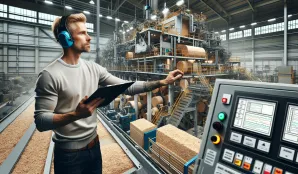
A Massakokare works within the Swedish pulp and paper industry, monitoring and controlling the processes involved in producing pulp. The role involves responsibility for managing the cooking process where wood chips are transformed into pulp, requiring a good understanding of chemical and technical processes. Massakokare often work at large production facilities where the work environment is characterized by shift work, high safety standards, and close collaboration with other process operators. The daily work environment is industrial, involving both monitoring from control rooms and physical work on-site.
Salary development over time
The salary for Massakokare has shown positive growth over the past three years. In 2022, the average salary was 39600 kronor per month, increasing to 43 600 kronor in 2023. During 2024, the average salary continued to rise to 44 700 kronor per month, representing an increase of approximately 10% over three years. This growth can be linked to increased demand for skilled workers in the process industry and overall wage pressure within the industrial sector. The technological development in the industry and the requirements for skills development have also contributed to the positive salary trend, while competition for experienced Massakokare has increased.
Massakokare salary – complete overview
- Average salary: 44 700 kr/month
- Lowest salary: 41,600 kr/month
- Highest salary: 45,100 kr/month
- Hourly wage: 262 kr
- Gender differences: Women earn 42,300 kr (96% of men's salary), men earn 45 000 kr
- Regional differences: Data on regional variations is unavailable
Education and qualifications
To work as a Massakokare, a high school education with a focus on process or industrial technology is usually required, or alternatively post-secondary education in a relevant technical field. Many employers value experience from industrial work and practical knowledge of chemical processes. In addition to formal education, internal training and certifications in safety and process monitoring are common in the profession.
- High school: Industrial technology programs, 3 years
- Post-secondary education: Technical courses or vocational college (up to 2 years)
- Internship: Usually internships or trainee programs within industry
- Certifications: Safety training and process certificates
- Prerequisites: Basic knowledge of chemistry and technology
Massakokare often work in shifts, meaning the workday can start early in the morning or late in the evening. This variation in working hours can provide greater flexibility in daily life but also requires good planning skills and the ability to handle irregular sleep routines.
Common benefits and compensations
Massakokare are often covered by collective agreements that include access to occupational pension, shift work allowances, and wellness contributions. Other common benefits include subsidized lunch, work clothing, and compensation for on-call or standby duties.
Competition and challenges
Massakokare face a job market where competition is relatively balanced but where it can be difficult to recruit experienced operators to certain locations. Challenges in the profession include rapid technological changes, high safety requirements, and the need for continuous training. Shift work and physically demanding environments can affect lifestyle, and high demands are placed on accuracy and stress resilience. Since the profession is part of a larger occupational group, demand may vary depending on region and economic conditions within the industry.
Tips for aspiring Massakokare
To succeed as a Massakokare, it is beneficial to combine technical interest with analytical skills. Being meticulous helps you handle complex processes and ensure smooth production without interruptions. Resilience is important as unexpected situations can occur during operations, and the ability to make quick decisions is crucial. Collaboration skills facilitate teamwork and coordination with other departments, especially during shift changes and major maintenance activities. Flexibility is also an asset, as working hours and tasks may vary. Being proactive and showing interest in further education open opportunities for career development within the profession.
Key facts about Massakokare
- Education level: High school or post-secondary education in technology/industry
- Work environment: Industrial environment with shift work
- Occupational group: Process operators, pulp production
- Demand: 1,437 available jobs within the profession
- Gender distribution: Slight salary differences, but men earn somewhat more
Career paths and future prospects
After three to five years as a Massakokare, there are opportunities to advance to senior roles such as senior process operator, shift supervisor, or process developer within the industry. Some choose to further their education as technicians or production engineers, while others take on responsibilities related to work environment or training new staff. The forecast from the Employment Service indicates no specific assessment for the profession due to limited data, but the number of available jobs (1,437) suggests stable demand. The industry is influenced by economic cycles and technological development, but experience and further education provide good prospects for continued career growth.
Common questions about Massakokare
- What is the average salary of a Massakokare?
- A Massakokare earns an average of 44 700 kronor per month. - What are the lowest and highest salaries for a Massakokare?
- The lowest salary is 41,600 kronor and the highest is 45,100 kronor per month. - What is the hourly wage for a Massakokare?
- The hourly wage is 262 kronor. - Are there differences between men's and women's salaries?
- Women earn 42,300 kronor, which is 96% of men's salary of 45 000 kronor. - What education is required to become a Massakokare?
- High school education in industry or technology is most common; sometimes post-secondary courses are needed. - What does the job market look like for a Massakokare?
- There are 1,437 available jobs within the profession, indicating stable demand. - What career opportunities are there for a Massakokare?
- Opportunities include roles as shift supervisor, process developer, or technician after a few years of experience.

Salary distributed by age and sector
| Age | Base salary | Monthly salary | |
|---|---|---|---|
| 18-24 | 31800 kr | 40100 kr | |
| 25-34 | 35100 kr | 43500 kr | |
| 35-44 | 37300 kr | 45400 kr | |
| 45-54 | 37500 kr | 45600 kr | |
| 55-64 | 36500 kr | 45300 kr | |
| Snitt | 96% | 36300 kr | 44700 kr |
| Age | Base salary | Monthly salary | |
|---|---|---|---|
| 18-24 | 31800 kr | 40100 kr | |
| 25-34 | 35100 kr | 43500 kr | |
| 35-44 | 37300 kr | 45400 kr | |
| 45-54 | 37500 kr | 45600 kr | |
| 55-64 | 36500 kr | 45300 kr | |
| Snitt | 96% | 36300 kr | 44700 kr |
| Age | Base salary | Monthly salary | |
|---|---|---|---|
| 18-24 | 31800 kr | 40100 kr | |
| 25-34 | 35100 kr | 43500 kr | |
| 35-44 | 37300 kr | 45400 kr | |
| 45-54 | 37500 kr | 45600 kr | |
| 55-64 | 36500 kr | 45300 kr | |
| Snitt | 96% | 36300 kr | 44700 kr |
| Age | Base salary | Monthly salary | |
|---|---|---|---|
| 25-34 | 35400 kr | 43800 kr | |
| 35-44 | 37400 kr | 45800 kr | |
| 45-54 | 37700 kr | 45700 kr | |
| 55-64 | 36700 kr | 45400 kr | |
| Snitt | 96% | 36600 kr | 45000 kr |
| Age | Base salary | Monthly salary | |
|---|---|---|---|
| 25-34 | 35400 kr | 43800 kr | |
| 35-44 | 37400 kr | 45800 kr | |
| 45-54 | 37700 kr | 45700 kr | |
| 55-64 | 36700 kr | 45400 kr | |
| Snitt | 96% | 36600 kr | 45000 kr |
| Age | Base salary | Monthly salary | |
|---|---|---|---|
| 25-34 | 35400 kr | 43800 kr | |
| 35-44 | 37400 kr | 45800 kr | |
| 45-54 | 37700 kr | 45700 kr | |
| 55-64 | 36700 kr | 45400 kr | |
| Snitt | 96% | 36600 kr | 45000 kr |
| Age | Base salary | Monthly salary | |
|---|---|---|---|
| Snitt | 96% | 34800 kr | 43300 kr |
| Age | Base salary | Monthly salary | |
|---|---|---|---|
| Snitt | 96% | 34800 kr | 43300 kr |
| Age | Base salary | Monthly salary | |
|---|---|---|---|
| Snitt | 96% | 34800 kr | 43300 kr |

About the data
All information displayed on this page is based on data from the Swedish Central Bureau of Statistics (SCB), the Swedish Tax Agency and the Swedish employment agency. Learn more about our data and data sources here.
All figures are gross salaries, meaning salaries before tax. The average salary, or mean salary, is calculated by adding up the total salary for all individuals within the profession and dividing it by the number of individuals. For specific job categories, we have also considered various criteria such as experience and education.
Profession Mass cookers has the SSYK code 8171, which we use to match against the SCB database to obtain the latest salary statistics.
Compare salary, work tasks and job outlook in adjacent occupations to find roles with similar skills or pay levels.
-

Artificial stone casters salary
Average salary: 37 800 SEK/month • Industriell tillverkning
Machine operators, cement, stone and concrete products
Compare with Mass cookers
Tue, 14 Jul 2026 - 21:19 -

Average salary: 36 300 SEK/month • Industriell tillverkning
Machine setters and machine operators, metal work
Compare with Mass cookers
Tue, 14 Jul 2026 - 10:55 -

Average salary: 31 900 SEK/month • Industriell tillverkning
Hand packers and other factory workers
Compare with Mass cookers
Tue, 14 Jul 2026 - 20:05 -

Average salary: 35 300 SEK/month • Industriell tillverkning
Prepress technicians
Compare with Mass cookers
Tue, 14 Jul 2026 - 17:14 -

Dragist, pharmaceutical industry salary
Average salary: 39 900 SEK/month • Industriell tillverkning
Machine operators, pharmaceutical products
Compare with Mass cookers
Tue, 14 Jul 2026 - 20:29 -

Average salary: 36 300 SEK/month • Industriell tillverkning
Machine setters and machine operators, metal work
Compare with Mass cookers
Tue, 14 Jul 2026 - 17:13


