- Salary statistics
- Teacher, wood and metal handicraft, primary school salary
Teacher, wood and metal handicraft, primary school salary
Latest available salary statistics are for 2025. Compare average pay, salary range and related job listings.
27 500 - 44 700 SEK / month
Women earn 102% of what men do.
Pedagogiskt arbete
Related tools
Salary progression Teacher, wood and metal handicraft, primary school
What does a teacher in wood and metal crafts in primary school do? – Tasks and work environment
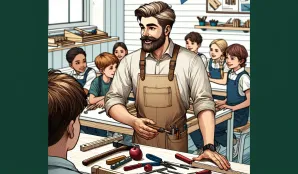
Teachers in wood and metal crafts in primary school are responsible for introducing students to practical creation and technical work with various materials. Tasks include planning and conducting lessons, supervising in workshop environments, and assessing students' skills and development. Safety work is a central part of the profession, where the teacher ensures students work safely with tools and machines. In addition to practical teaching, collaboration with other teachers and participation in school development work are often included.
Salary development over time
Salaries for teachers in wood and metal crafts in primary school have increased steadily in recent years. In 2022, the average salary was 37,700 SEK per month, rising to 40 200 SEK in 2023 and further to 41 600 SEK in 2024. This increase corresponds to approximately 6.6% over three years, slightly above inflation during the same period. The salary development can partly be explained by continued demand for qualified craft teachers and an increased focus on improving the attractiveness of the teaching profession. Despite a trend towards decreased demand in the future, salaries have continued to rise, indicating that schools are competing for experienced and qualified teachers in the subject.
Teachers in wood and metal crafts – complete salary overview
- Average salary: 41 600 SEK/month
- Lowest salary: 26,500 SEK/month (female, private sector, upper secondary education)
- Highest salary: 42,900 SEK/month (male, public sector, research education)
- Average salary men: 41 100 SEK/month
- Average salary women: 41 800 SEK/month
- Women earn: 102% of what men do
- Hourly wage: 242 SEK (hourly worker, average 166 hours/month)
Education and qualifications
To work as a teacher in wood and metal crafts in primary school, a university degree with specialization in craft subjects and a teaching license are generally required. The education includes both didactics and subject deepening as well as practical training in a school environment. Good knowledge of both wood and metal work and pedagogical skills are important for guiding students at different levels.
- Teacher education: Bachelor’s or Master’s degree in primary or subject-specific teaching with specialization in crafts (3.5–5 years)
- Teaching license: Required for permanent employment
- Practical training: Included as VFU (workplace-based training) in the education
- Qualification requirements: Completed upper secondary education and special qualification in craft subjects
- Additional courses: Opportunities for further training and subject specialization via university or online
Teaching crafts often involves working with small student groups and creating a creative environment where students see tangible results of their work. Practical learning is appreciated by many students and provides variety in school life, both for teachers and students.
Common benefits and compensations
Teachers in wood and metal crafts in primary school often have access to benefits such as holiday pay, occupational pension, wellness contributions, and opportunities for professional development. Other common benefits include flexible working hours, work clothing, and sometimes access to private workshops or studios. Some school authorities also offer extra compensation for mentorship or supervisory roles.
Competition and challenges
The competition for positions as teachers in wood and metal crafts in primary school is generally moderate but varies depending on region and school size. According to the Swedish Public Employment Service's forecasts, the job market is balanced, but demand is expected to decrease slightly over five years. Challenges in the profession include staying updated on safety regulations and new materials, as well as adapting teaching to different student needs. The shortage of qualified teachers persists in some areas, which can lead to increased workloads and difficulties covering all teaching hours.
Tips for those who want to become teachers in wood and metal crafts
To succeed as a teacher in wood and metal crafts in primary school, it is good to combine a pedagogical approach with a strong interest in craftsmanship and technology. Patience is crucial, as students develop skills at different paces and many need extra support. Flexibility and problem-solving skills are also important, as each student group has unique needs and challenges. Engagement and initiative are appreciated, especially when developing new teaching activities or improving safety in the workshop. Communication and collaboration skills are central, both towards students and colleagues, to create a safe and inspiring learning environment.
Key facts about teachers in wood and metal crafts in primary school
- Educational level: University degree and teaching license required
- Work environment: Workshop environment focused on safety and practical work
- Demand: Moderate opportunities, balanced job market
- Common employment type: Permanent employment in the public sector
- Number of job openings (2024): 434 within the profession
Career paths and future prospects
After a few years in the profession, a teacher in wood and metal crafts can take on expanded responsibilities, such as senior teacher, supervisor for student teachers, or team leader. There are also opportunities to specialize in school development, digital tools, or safety in the workshop environment. According to the Swedish Public Employment Service's forecast, the job market is balanced and opportunities are moderate, but demand is expected to decrease slightly over the next five years. Despite this, there is still a need for qualified craft teachers, especially in smaller municipalities and rural areas. Further training and continuing education can open doors to leadership roles or work in educational development at municipal or regional levels.
Frequently asked questions about teachers in wood and metal crafts in primary school
- What does a teacher in wood and metal crafts in primary school earn?
- The average salary is 41 600 SEK per month, with variation depending on experience and education. - What education is required to become a crafts teacher?
- A teacher education with specialization in craft subjects and a teaching license are required. - What does the job market look like for craft teachers?
- The job market is balanced with moderate opportunities, but demand is expected to decrease slightly over five years. - Are there salary differences between men and women?
- Yes, women earn on average 102% of what men do in the profession. - What tasks are included besides teaching?
- Planning, safety work, assessment, and collaboration with colleagues and school development work. - What is the working environment like for a crafts teacher?
- The working environment is characterized by workshop activities with a focus on safety and practical learning. - What career paths are available after a few years in the profession?
- Senior teacher, supervisor, team leader, or specialization in school development and safety.

Salary distributed by age and sector
| Age | Base salary | Monthly salary | |
|---|---|---|---|
| 18-24 | 104% | 27300 kr | 27400 kr |
| 25-34 | 101% | 38500 kr | 38600 kr |
| 35-44 | 99% | 41600 kr | 41600 kr |
| 45-54 | 100% | 43900 kr | 43900 kr |
| 55-64 | 101% | 44100 kr | 44100 kr |
| 65-68 | 101% | 42600 kr | 42600 kr |
| Snitt | 102% | 41600 kr | 41600 kr |
| Age | Base salary | Monthly salary | |
|---|---|---|---|
| 18-24 | 107% | 27400 kr | 27500 kr |
| 25-34 | 102% | 38400 kr | 38400 kr |
| 35-44 | 100% | 41500 kr | 41500 kr |
| 45-54 | 101% | 44000 kr | 44000 kr |
| 55-64 | 102% | 44200 kr | 44300 kr |
| 65-68 | 102% | 43400 kr | 43400 kr |
| Snitt | 102% | 41700 kr | 41700 kr |
| Age | Base salary | Monthly salary | |
|---|---|---|---|
| 18-24 | 107% | 27400 kr | 27500 kr |
| 25-34 | 102% | 38400 kr | 38400 kr |
| 35-44 | 100% | 41500 kr | 41500 kr |
| 45-54 | 101% | 44000 kr | 44000 kr |
| 55-64 | 102% | 44200 kr | 44300 kr |
| 65-68 | 102% | 43400 kr | 43400 kr |
| Snitt | 102% | 41700 kr | 41700 kr |
| Age | Base salary | Monthly salary | |
|---|---|---|---|
| 18-24 | 95% | 27100 kr | 27100 kr |
| 25-34 | 99% | 39100 kr | 39100 kr |
| 35-44 | 98% | 42000 kr | 42100 kr |
| 45-54 | 99% | 43400 kr | 43500 kr |
| 55-64 | 97% | 43300 kr | 43500 kr |
| 65-68 | 38400 kr | 38400 kr | |
| Snitt | 98% | 41000 kr | 41100 kr |
| Age | Base salary | Monthly salary | |
|---|---|---|---|
| 18-24 | 95% | 27100 kr | 27100 kr |
| 25-34 | 99% | 39100 kr | 39100 kr |
| 35-44 | 98% | 42000 kr | 42100 kr |
| 45-54 | 99% | 43400 kr | 43500 kr |
| 55-64 | 97% | 43300 kr | 43500 kr |
| 65-68 | 38400 kr | 38400 kr | |
| Snitt | 98% | 41000 kr | 41100 kr |
| Age | Base salary | Monthly salary | |
|---|---|---|---|
| 18-24 | 104% | 26600 kr | 26600 kr |
| 25-34 | 101% | 38300 kr | 38300 kr |
| 35-44 | 99% | 41700 kr | 41800 kr |
| 45-54 | 100% | 43700 kr | 43800 kr |
| 55-64 | 101% | 43700 kr | 43700 kr |
| 65-68 | 101% | 42400 kr | 42500 kr |
| Snitt | 102% | 41100 kr | 41100 kr |
| Age | Base salary | Monthly salary | |
|---|---|---|---|
| 18-24 | 107% | 26200 kr | 26200 kr |
| 25-34 | 102% | 37900 kr | 37900 kr |
| 35-44 | 100% | 41400 kr | 41500 kr |
| 45-54 | 101% | 43800 kr | 43800 kr |
| 55-64 | 102% | 43600 kr | 43600 kr |
| 65-68 | 102% | 42700 kr | 42700 kr |
| Snitt | 102% | 41000 kr | 41000 kr |
| Age | Base salary | Monthly salary | |
|---|---|---|---|
| 18-24 | 107% | 26200 kr | 26200 kr |
| 25-34 | 102% | 37900 kr | 37900 kr |
| 35-44 | 100% | 41400 kr | 41500 kr |
| 45-54 | 101% | 43800 kr | 43800 kr |
| 55-64 | 102% | 43600 kr | 43600 kr |
| 65-68 | 102% | 42700 kr | 42700 kr |
| Snitt | 102% | 41000 kr | 41000 kr |
| Age | Base salary | Monthly salary | |
|---|---|---|---|
| 18-24 | 95% | 28100 kr | 28100 kr |
| 25-34 | 99% | 39300 kr | 39400 kr |
| 35-44 | 98% | 42500 kr | 42600 kr |
| 45-54 | 99% | 43700 kr | 43800 kr |
| 55-64 | 97% | 44200 kr | 44300 kr |
| Snitt | 98% | 41500 kr | 41500 kr |
| Age | Base salary | Monthly salary | |
|---|---|---|---|
| 18-24 | 95% | 28100 kr | 28100 kr |
| 25-34 | 99% | 39300 kr | 39400 kr |
| 35-44 | 98% | 42500 kr | 42600 kr |
| 45-54 | 99% | 43700 kr | 43800 kr |
| 55-64 | 97% | 44200 kr | 44300 kr |
| Snitt | 98% | 41500 kr | 41500 kr |
| Age | Base salary | Monthly salary | |
|---|---|---|---|
| 18-24 | 104% | 27700 kr | 27800 kr |
| 25-34 | 101% | 38600 kr | 38600 kr |
| 35-44 | 99% | 41500 kr | 41500 kr |
| 45-54 | 100% | 43900 kr | 43900 kr |
| 55-64 | 101% | 44300 kr | 44300 kr |
| 65-68 | 101% | 42700 kr | 42700 kr |
| Snitt | 102% | 41800 kr | 41800 kr |
| Age | Base salary | Monthly salary | |
|---|---|---|---|
| 18-24 | 107% | 28100 kr | 28100 kr |
| 25-34 | 102% | 38500 kr | 38500 kr |
| 35-44 | 100% | 41500 kr | 41500 kr |
| 45-54 | 101% | 44000 kr | 44000 kr |
| 55-64 | 102% | 44500 kr | 44500 kr |
| 65-68 | 102% | 43700 kr | 43700 kr |
| Snitt | 102% | 42000 kr | 42000 kr |
| Age | Base salary | Monthly salary | |
|---|---|---|---|
| 18-24 | 107% | 28100 kr | 28100 kr |
| 25-34 | 102% | 38500 kr | 38500 kr |
| 35-44 | 100% | 41500 kr | 41500 kr |
| 45-54 | 101% | 44000 kr | 44000 kr |
| 55-64 | 102% | 44500 kr | 44500 kr |
| 65-68 | 102% | 43700 kr | 43700 kr |
| Snitt | 102% | 42000 kr | 42000 kr |
| Age | Base salary | Monthly salary | |
|---|---|---|---|
| 18-24 | 95% | 26700 kr | 26700 kr |
| 25-34 | 99% | 38900 kr | 39000 kr |
| 35-44 | 98% | 41700 kr | 41800 kr |
| 45-54 | 99% | 43300 kr | 43400 kr |
| 55-64 | 97% | 43000 kr | 43200 kr |
| 65-68 | 38200 kr | 38200 kr | |
| Snitt | 98% | 40700 kr | 40800 kr |
| Age | Base salary | Monthly salary | |
|---|---|---|---|
| 18-24 | 95% | 26700 kr | 26700 kr |
| 25-34 | 99% | 38900 kr | 39000 kr |
| 35-44 | 98% | 41700 kr | 41800 kr |
| 45-54 | 99% | 43300 kr | 43400 kr |
| 55-64 | 97% | 43000 kr | 43200 kr |
| 65-68 | 38200 kr | 38200 kr | |
| Snitt | 98% | 40700 kr | 40800 kr |

About the data
All information displayed on this page is based on data from the Swedish Central Bureau of Statistics (SCB), the Swedish Tax Agency and the Swedish employment agency. Learn more about our data and data sources here.
All figures are gross salaries, meaning salaries before tax. The average salary, or mean salary, is calculated by adding up the total salary for all individuals within the profession and dividing it by the number of individuals. For specific job categories, we have also considered various criteria such as experience and education.
Profession Teacher, wood and metal handicraft, primary school has the SSYK code 2341, which we use to match against the SCB database to obtain the latest salary statistics.
-

Teacher in Mathematics and Natural Sciences at Gärdsåsskolan
Primary school teachers
Tue, 14 Jul 2026 - 09:02 -
Teacher in Mathematics, Natural Sciences, and Technology at Rådmansvångens Skola
Primary school teachers
Tue, 14 Jul 2026 - 06:27 -

Teacher of Mother Tongue German in Lerum Municipality
Primary school teachers
Tue, 14 Jul 2026 - 06:24 -
Teacher Grades 4–6 in Persberg (100%) – Academic Year 2026–2027
Primary school teachers
Tue, 14 Jul 2026 - 06:22
Compare salary, work tasks and job outlook in adjacent occupations to find roles with similar skills or pay levels.
-

Average salary: 36 900 SEK/month • Pedagogiskt arbete
Sports trainers and instructors etc.
Compare with Teacher, wood and metal handicraft, primary school
Tue, 14 Jul 2026 - 07:11 -

Puppet theater educator salary
Average salary: 36 800 SEK/month • Pedagogiskt arbete
Other educators with theoretical specialist competence
Compare with Teacher, wood and metal handicraft, primary school
Tue, 14 Jul 2026 - 08:15 -

Special needs teacher, upper secondary special school salary
Average salary: 47 600 SEK/month • Pedagogiskt arbete
Special education teachers and special educators etc.
Compare with Teacher, wood and metal handicraft, primary school
Mon, 13 Jul 2026 - 03:24 -

Average salary: 43 100 SEK/month • Pedagogiskt arbete
Vocational subject teachers
Compare with Teacher, wood and metal handicraft, primary school
Tue, 14 Jul 2026 - 06:09 -

Textile handicraft teacher, high school salary
Average salary: 44 200 SEK/month • Pedagogiskt arbete
High school teachers
Compare with Teacher, wood and metal handicraft, primary school
Tue, 14 Jul 2026 - 01:34 -

Average salary: 36 900 SEK/month • Pedagogiskt arbete
Sports trainers and instructors etc.
Compare with Teacher, wood and metal handicraft, primary school
Tue, 14 Jul 2026 - 07:12


