- Salary statistics
- Camera assistant, photo salary
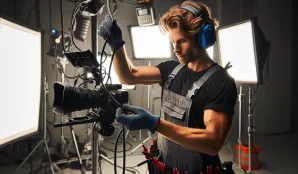
Camera assistant, photo salary
Latest available salary statistics are for 2025. Compare average pay, salary range and related job listings.
33 400 - 44 400 SEK / month
Women earn 81% of what men do.
Kultur, media, design
Related tools
Salary progression Camera assistant, photo
What does a Camera Assistant in Photography do? – Tasks and Work Environment
A camera assistant in photography works closely with the photographer on film, TV, and commercial sets or during still photo shoots. Tasks include preparing and maintaining camera equipment, loading memory cards or film, organizing lenses and filters, and assisting with technical settings. The role also involves managing cable runs, helping with lighting setup, and ensuring smooth operations during production. The work environment is often mobile and can be challenging and varied, with work on studio sets, outdoors, or at different shooting locations – often under time pressure and requiring high flexibility.
Salary Development Over Time
Over the past three years, salaries for camera assistants in photography have steadily increased. In 2022, the average salary was 36,400 SEK per month, followed by an increase to 37 300 SEK in 2023. In 2024, the average salary has further risen to 38 500 SEK. The total increase amounts to approximately 5% over the three-year period, indicating stable but not exceptionally rapid salary growth. Factors driving this development likely include ongoing demand for film and TV productions, technological changes, and an increased need for digital skills. At the same time, competition for assignments remains high, contributing to a relatively slow pace of salary increases.
Camera Assistant, Photography Salary – Complete Overview
- Average salary: 38 500 SEK/month
- Lowest salary: 36,100 SEK/month (male), 37,100 SEK/month (female)
- Highest salary: 39,600 SEK/month (male), 39,000 SEK/month (female)
- Hourly rate: 224 SEK
- Gender differences: Men earn an average of 41 200 SEK; data on women’s salaries at group level is unavailable
- Regional differences: Limited data, but variations may occur depending on location and demand
Education and Qualifications
The path to becoming a camera assistant in photography often involves a high school media program, followed by specialized post-secondary courses or training in photography and film production. Practical experience, gained through internships or assistant roles, is highly valued. Formal certifications are usually not required, but technical understanding, teamwork skills, and an interest in visual creation are essential.
- High school: Media program with a focus on photography/film (3 years)
- Post-secondary courses: Folk high school or YH training in photography/film (1–2 years)
- Internships: Industry internships or traineeships are recommended
- Prerequisites: Basic technical understanding and interest in media production
- Self-study: Online courses and personal photography projects can provide a competitive edge
Working as a camera assistant often involves long days, quick changes, and a fast pace, especially on larger productions. Early mornings and late evenings are common, and the work environment can be both challenging and inspiring. The profession offers a unique opportunity to network and build important contacts within the film and TV industry, which is often crucial for future career steps.
Common Benefits and Compensation
Camera assistants in photography are often offered benefits such as overtime pay for irregular hours, compensation for overtime, and per diems for work in other locations. In some cases, employers may cover equipment allowances, wellness stipends, or travel and accommodation expenses for longer productions. In addition to base salary, bonuses may be offered for long or particularly demanding assignments.
Competition and Challenges
The competition for roles as a camera assistant in photography is generally high, especially on larger productions and in metropolitan regions where many production companies operate. A broad network of contacts and the ability to quickly adapt to new teams and environments are often required. Challenges may also include irregular working hours, physically demanding tasks, and the need for continuous technical updates. Since the profession attracts many young and creative individuals, ongoing education and staying updated on the latest technology are important to remain competitive.
Tips for Aspiring Camera Assistants in Photography
To succeed as a camera assistant, it’s beneficial to be both technically curious and detail-oriented. Showing initiative and being solution-oriented are highly appreciated in production teams, while the ability to collaborate and communicate effectively is crucial for smooth workflows. Flexibility is key, as shooting days are often long and subject to change at short notice. Building a network through internships and volunteer work provides valuable contacts and experience, and keeping up with new camera technologies offers an advantage. Punctuality and reliability help gain trust quickly, and taking responsibility for technical equipment demonstrates thoroughness and commitment.
Key Facts about Camera Assistant, Photography
- Education level: High school diploma or post-secondary education in media/photography
- Work environment: Often on set, sometimes with long days and varied locations
- Employment type: Project-based or freelance work is common
- Demand: 620 job openings within the profession of photographers (2024)
- Special skills: Technical skills in camera and image handling
Career Paths and Future Outlook
After a few years of experience, opportunities open to move into roles such as B-photographer, chief photographer, or technical lead for the camera team in film and TV production. Some also choose further education in directing, production, or specialized technical fields. According to the Employment Service’s forecasts, it is difficult to make an exact prediction for the future of camera assistants, as the profession is part of a broader occupational group. However, there are indications of continued demand in culture, media, and design, especially as moving images production increases. The number of job openings for photographers is 620 (2024), suggesting a relatively healthy job market for those with the right skills and flexibility. Regional differences exist, with higher demand in larger cities and production hubs.
Frequently Asked Questions about Camera Assistant, Photography
- What is the salary of a Camera Assistant, photography?
- A camera assistant in photography has an average salary of 38 500 SEK per month, with variations depending on experience and workplace. - How does one become a camera assistant in photography?
- The common path is a high school education with a media focus followed by internships, courses, or post-secondary studies in photography/film. - Are there gender differences in salary?
- Men earn an average of 41 200 SEK; specific data on women’s salaries at group level is unavailable. - What work environments can be expected?
- The work environment is often mobile and can involve indoor and outdoor work, sometimes under tight schedules. - What career opportunities are available?
- After a few years, one can advance to B-photographer, chief photographer, or technical lead within the production team. - What are the future prospects?
- The Employment Service does not provide an exact forecast for the profession, but there are indications of continued demand in photography and media. - What is required to succeed as a camera assistant?
- Technical skills, flexibility, and the ability to collaborate in teams are highly valued.

Salary distributed by age and sector
| Age | Base salary | Monthly salary | |
|---|---|---|---|
| 25-34 | 33300 kr | 33500 kr | |
| 35-44 | 40600 kr | 41400 kr | |
| 45-54 | 43100 kr | 44500 kr | |
| 55-64 | 43700 kr | 45400 kr | |
| Snitt | 81% | 37700 kr | 38500 kr |
| Age | Base salary | Monthly salary | |
|---|---|---|---|
| 25-34 | 37500 kr | 38500 kr | |
| 35-44 | 99% | 38000 kr | 38000 kr |
| 45-54 | 95% | 39800 kr | 39800 kr |
| 55-64 | 100% | 39700 kr | 40000 kr |
| Snitt | 99% | 39300 kr | 39600 kr |
| Age | Base salary | Monthly salary | |
|---|---|---|---|
| 25-34 | 37500 kr | 38500 kr | |
| 35-44 | 99% | 38000 kr | 38000 kr |
| 45-54 | 95% | 39800 kr | 39800 kr |
| 55-64 | 100% | 39700 kr | 40000 kr |
| Snitt | 99% | 39300 kr | 39600 kr |
| Age | Base salary | Monthly salary | |
|---|---|---|---|
| 25-34 | 33300 kr | 33500 kr | |
| 35-44 | 40800 kr | 41600 kr | |
| 45-54 | 43300 kr | 44700 kr | |
| 55-64 | 44000 kr | 0 kr | |
| Snitt | 37700 kr | 38500 kr |
| Age | Base salary | Monthly salary | |
|---|---|---|---|
| 25-34 | 33300 kr | 33500 kr | |
| 35-44 | 40800 kr | 41600 kr | |
| 45-54 | 43300 kr | 44700 kr | |
| 55-64 | 44000 kr | 0 kr | |
| Snitt | 37700 kr | 38500 kr |
| Age | Base salary | Monthly salary | |
|---|---|---|---|
| 25-34 | 35300 kr | 35500 kr | |
| 35-44 | 40900 kr | 41800 kr | |
| 45-54 | 43900 kr | 45800 kr | |
| Snitt | 81% | 40100 kr | 41200 kr |
| Age | Base salary | Monthly salary | |
|---|---|---|---|
| 35-44 | 99% | 38000 kr | 38100 kr |
| 45-54 | 95% | 41400 kr | 41400 kr |
| 55-64 | 100% | 39500 kr | 40100 kr |
| Snitt | 99% | 39500 kr | 39800 kr |
| Age | Base salary | Monthly salary | |
|---|---|---|---|
| 35-44 | 99% | 38000 kr | 38100 kr |
| 45-54 | 95% | 41400 kr | 41400 kr |
| 55-64 | 100% | 39500 kr | 40100 kr |
| Snitt | 99% | 39500 kr | 39800 kr |
| Age | Base salary | Monthly salary | |
|---|---|---|---|
| 35-44 | 41000 kr | 41900 kr | |
| 45-54 | 43900 kr | 45800 kr | |
| Snitt | 40100 kr | 41300 kr |
| Age | Base salary | Monthly salary | |
|---|---|---|---|
| 35-44 | 41000 kr | 41900 kr | |
| 45-54 | 43900 kr | 45800 kr | |
| Snitt | 40100 kr | 41300 kr |
| Age | Base salary | Monthly salary | |
|---|---|---|---|
| Snitt | 81% | 33200 kr | 33400 kr |
| Age | Base salary | Monthly salary | |
|---|---|---|---|
| 35-44 | 99% | 37900 kr | 37900 kr |
| 45-54 | 95% | 39200 kr | 39200 kr |
| 55-64 | 100% | 39800 kr | 39900 kr |
| Snitt | 99% | 39100 kr | 39300 kr |
| Age | Base salary | Monthly salary | |
|---|---|---|---|
| 35-44 | 99% | 37900 kr | 37900 kr |
| 45-54 | 95% | 39200 kr | 39200 kr |
| 55-64 | 100% | 39800 kr | 39900 kr |
| Snitt | 99% | 39100 kr | 39300 kr |
| Age | Base salary | Monthly salary | |
|---|---|---|---|
| Snitt | 32900 kr | 0 kr |
| Age | Base salary | Monthly salary | |
|---|---|---|---|
| Snitt | 32900 kr | 0 kr |

About the data
All information displayed on this page is based on data from the Swedish Central Bureau of Statistics (SCB), the Swedish Tax Agency and the Swedish employment agency. Learn more about our data and data sources here.
All figures are gross salaries, meaning salaries before tax. The average salary, or mean salary, is calculated by adding up the total salary for all individuals within the profession and dividing it by the number of individuals. For specific job categories, we have also considered various criteria such as experience and education.
Profession Camera assistant, photo has the SSYK code 3431, which we use to match against the SCB database to obtain the latest salary statistics.
-

Photographer for Creative and Production – Svenskt Kosttillskott
Photographers
Mon, 13 Jul 2026 - 21:14 -

Looking for cheerful photographers for school photography in Stockholm
Photographers
Sat, 4 Jul 2026 - 09:02 -

Teacher in Film & Photo (20%) – Temporary Position Autumn 2026
Photographers
Tue, 30 Jun 2026 - 06:42


Compare salary, work tasks and job outlook in adjacent occupations to find roles with similar skills or pay levels.
-

Average salary: 35 600 SEK/month • Kultur, media, design
Other professions in culture and entertainment
Compare with Camera assistant, photo
Sun, 12 Jul 2026 - 20:43 -

Model designer, textile salary
Average salary: 51 700 SEK/month • Kultur, media, design
Other designers and creators
Compare with Camera assistant, photo
Tue, 14 Jul 2026 - 04:45 -

Average salary: 40 600 SEK/month • Kultur, media, design
Translators, interpreters and linguists etc.
Compare with Camera assistant, photo
Tue, 14 Jul 2026 - 04:03 -

Average salary: 35 600 SEK/month • Kultur, media, design
Other professions in culture and entertainment
Compare with Camera assistant, photo
Mon, 13 Jul 2026 - 01:19 -

Average salary: 39 900 SEK/month • Kultur, media, design
Interior designers, decorators and scenographers etc.
Compare with Camera assistant, photo
Mon, 13 Jul 2026 - 17:59 -

Average salary: 41 986 SEK/month • Kultur, media, design
Choreographers and dancers
Compare with Camera assistant, photo
Mon, 13 Jul 2026 - 19:11


