- Salary statistics
- Rehearsal, dance salary
Rehearsal, dance salary
Latest available salary statistics are for 2025. Compare average pay, salary range and related job listings.
43 692 - 41 986 SEK / month
Kultur, media, design
Related tools
Salary progression Rehearsal, dance
What does a dance répétiteur do? – Tasks and working environment
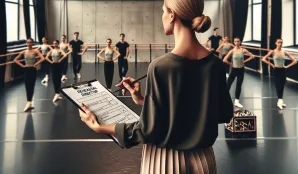
A dance répétiteur is responsible for preparing, instructing, and rehearsing dancers for performances, productions, and showcases. Tasks include practicing choreography, adjusting techniques, and ensuring dancers have the right expression and timing. The répétiteur often acts as a link between the choreographer and dancers, providing both technical and artistic guidance. The working environment mainly consists of dance studios, theaters, and rehearsal halls, where the pace is fast and precision is essential. Collaboration with dancers, choreographers, and sometimes musicians is a natural part of daily work, which can involve both day and evening shifts depending on the production schedule.
Salary development over time
The salary for a dance répétiteur has increased noticeably over the past three years. In 2022, the average salary was 32,600 SEK per month. In 2023, it rose to 39 779 SEK and reached 41 986 SEK in 2024. The significant increase from 2022 to 2023 corresponds to a salary rise of just over 21.5%, which is unusually high for the profession. Since then, the salary development has plateaued with a marginal increase of about 0.4% between 2023 and 2024. The increase can be linked to increased demand for qualified répétiteurs and general salary adjustments within the cultural sector. The market's need for specialized skills in dance has likely contributed to the high salary boost, but the industry’s limited size means the trend could change quickly with larger productions or investments.
Dance répétiteur salary – comprehensive overview
- Average salary: 41 986 SEK/month
- Lowest/Highest salary: Data unavailable
- Hourly rate (average): 239 SEK/hour
- Gender differences: No specific salary data for men or women
- Regional differences: No available data
Education and qualifications
To work as a dance répétiteur, a solid background in dance is usually required, often supplemented with higher education in dance pedagogy or choreography. Practical experience in performing arts and the ability to instruct others are essential. Many professionals in the field have been active dancers themselves, which provides a deep understanding of the technical and artistic demands of the profession.
- Formal education: University degree in dance or dance pedagogy (3–4 years)
- Practical experience: Often required as a dancer or assistant
- Courses/certifications: Advanced courses in choreography, leadership, or pedagogy
- Prerequisites: Solid dance technique skills and good understanding of various dance styles
- Tips: Engagement in projects and workshops provides valuable contacts and experience
Many dance répétiteurs also work internationally and have the opportunity to collaborate with leading choreographers and dance companies from around the world. This opens up unique networks and artistic influences that can develop both the individual and the dance scene at large.
Common benefits and compensations
Dance répétiteurs are often offered benefits such as wellness allowances, free or subsidized training opportunities, and access to cultural events. Many employers within the performing arts sector also provide opportunities for skills development and participation in international collaborations. For project-based employment, travel allowances and per diems may be included in employment conditions.
Competition and challenges
The competition for positions as a dance répétiteur is significant, especially at larger institutions and reputable dance companies. The number of available positions is limited, and selection often favors those with extensive experience and strong networks. The challenge also lies in continuously updating oneself with new dance styles and pedagogical methods, as the industry is characterized by artistic development and innovation. Uncertain temporary contracts and short-term engagements are common, which can affect financial security. At the same time, the profession offers great opportunities for artistic growth and influence over production design.
Tips for aspiring dance répétiteurs
To succeed as a dance répétiteur, strong communication skills and the ability to convey instructions clearly to dancers of varying experience levels are important. Precision and patience are key qualities, as the work often involves refining details and working methodically with choreographic sequences. Being attentive and flexible facilitates collaboration with both dancers and choreographers, especially in creative processes where quick changes may occur. An interest in pedagogy and continuous learning enhances the ability to stay updated on new trends and techniques. Building networks and participating in various dance projects provides valuable experience and contacts. Creative problem-solving skills are necessary to handle unforeseen challenges in productions. Finally, showing engagement and passion often leads to more opportunities within the profession.
Key facts about a dance répétiteur
- Education level: University degree in dance/dance pedagogy (3–4 years)
- Work environment: Dance studios, theaters, and rehearsal halls
- Employment type: Usually project-based or permanent employment
- Demand: 620 available jobs in the profession
- Special skills: Deep technical and pedagogical competence in dance
Career paths and future prospects
After three to five years as a dance répétiteur, opportunities increase to take on more advanced and artistically responsible roles, such as lead répétiteur or assistant choreographer. Some choose to further their education and work as dance teachers or choreographers, while others are engaged internationally by dance companies. According to the Swedish Public Employment Service's forecasts, no precise future assessment can be made due to limited data, but there are 620 available jobs in the field, indicating some mobility in the job market. The industry is influenced by funding in the cultural sector and current productions, with demand for skilled répétiteurs highest at larger institutions and festivals.
Frequently asked questions about dance répétiteurs
- What does a dance répétiteur earn?
- The average salary is 41 986 SEK per month, with an hourly rate of 239 SEK. - What education is required to become a dance répétiteur?
- Typically, a university degree in dance or dance pedagogy and experience as a dancer are required. - What is the working environment like for a dance répétiteur?
- Mainly in dance studios and theaters, often in teams with dancers and choreographers. - Are there many job openings for dance répétiteurs?
- Currently, there are 620 available jobs in the profession. - What personal qualities are important for a dance répétiteur?
- Pedagogical ability, precision, flexibility, and good communication skills. - What are the future prospects for dance répétiteurs?
- No specific forecast, but demand is driven by productions and cultural sector investments.

Salary distributed by age and sector

About the data
All information displayed on this page is based on data from the Swedish Central Bureau of Statistics (SCB), the Swedish Tax Agency and the Swedish employment agency. Learn more about our data and data sources here.
All figures are gross salaries, meaning salaries before tax. The average salary, or mean salary, is calculated by adding up the total salary for all individuals within the profession and dividing it by the number of individuals. For specific job categories, we have also considered various criteria such as experience and education.
Profession Rehearsal, dance has the SSYK code 2653, which we use to match against the SCB database to obtain the latest salary statistics.
-

Dance Teacher at Strömsund Municipality's Cultural School
Choreographers and dancers
Mon, 29 Jun 2026 - 09:03 -
Audition for Dancers for Musical 2027 – Karlstad
Choreographers and dancers
Thu, 25 Jun 2026 - 20:45 -

Looking for Dance Leaders for FunkyKidz – The Most Fun Part-Time Job!
Choreographers and dancers
Tue, 23 Jun 2026 - 01:27 -
Leader for FunkyKidz – The Most Fun Part-Time Job in Dance for Children
Choreographers and dancers
Tue, 23 Jun 2026 - 00:24

Compare salary, work tasks and job outlook in adjacent occupations to find roles with similar skills or pay levels.
-

Average salary: 35 600 SEK/month • Kultur, media, design
Other professions in culture and entertainment
Compare with Rehearsal, dance
Sun, 12 Jul 2026 - 20:43 -

Model designer, textile salary
Average salary: 51 700 SEK/month • Kultur, media, design
Other designers and creators
Compare with Rehearsal, dance
Tue, 14 Jul 2026 - 04:45 -

Average salary: 40 600 SEK/month • Kultur, media, design
Translators, interpreters and linguists etc.
Compare with Rehearsal, dance
Tue, 14 Jul 2026 - 04:03 -

Average salary: 35 600 SEK/month • Kultur, media, design
Other professions in culture and entertainment
Compare with Rehearsal, dance
Mon, 13 Jul 2026 - 01:19 -

Average salary: 39 900 SEK/month • Kultur, media, design
Interior designers, decorators and scenographers etc.
Compare with Rehearsal, dance
Mon, 13 Jul 2026 - 17:59 -

Average salary: 41 986 SEK/month • Kultur, media, design
Choreographers and dancers
Compare with Rehearsal, dance
Mon, 13 Jul 2026 - 19:11


