- Salary statistics
- Cable operator, installation low current salary
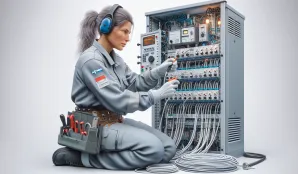
Cable operator, installation low current salary
Latest available salary statistics are for 2025. Compare average pay, salary range and related job listings.
34 900 - 47 700 SEK / month
Women earn 87% of what men do.
Installation & drift/underhåll
Related tools
Salary progression Cable operator, installation low current
What does a cable operator in low-voltage installation do? – Tasks and work environment
A cable operator specializing in low-voltage installation primarily works with pulling, connecting, and installing low-voltage cables for various electrical and communication systems. Tasks include installing and troubleshooting network cables, alarm systems, telecommunication and data installations, and fiber optics. The work is often performed in newly built or existing properties, both in the private and public sectors. The work environment can range from technical rooms and offices to construction sites, requiring safety routines and precision. Collaboration with electricians, builders, and other technicians is common.
Salary development over time
Over the past three years, the salary for cable operators in low-voltage installation has shown a clear upward trend. In 2022, the average salary was 34,100 SEK per month. The following year, 2023, the average increased to 38 100 SEK, representing a growth of approximately 1.8%. The most significant increase occurred between 2023 and 2024, when the average rose to 40 200 SEK, an increase of over 9.8%. This positive development can be partly explained by increased demand for skilled installers as digital infrastructure and smart systems expand in properties. At the same time, recruitment difficulties and retirements are pushing wages higher within the profession.
Cable operator in low-voltage installation salary – complete overview
- Average salary: 40 200 SEK/month
- Lowest salary: 34,100 SEK/month (women), 35,600 SEK/month (men)
- Highest salary: 47,800 SEK/month (men), 35,700 SEK/month (women)
- Hourly wage: 229 SEK
- Gender differences: Women earn 87% of what men do
- Regional differences: Variations exist, but exact levels depend on labor market and demand
Education and qualifications
To work as a cable operator in low-voltage installation, a high school education within the electrical and energy program is usually required, with specialization in electrical engineering or similar. Post-secondary education, certifications, and industry-specific courses can be advantageous and increase employment and salary prospects. Practical experience and skills in interpreting drawings and electrical schematics are highly valued by employers.
- Formal education: Electrical and energy program (3 years), specialization in electrical engineering
- Certifications: Industry-specific certificates for low-voltage installations, e.g., fiber optics
- Internship: Workplace-based learning (APL) during education
- Further training: Courses in network technology, safety, and automation
- Prerequisites: Basic knowledge of mathematics and technology
The workdays for a cable operator in low-voltage installation are often varied – one day involves installing fiber in a modern office complex, the next day troubleshooting an alarm system in an older property. For those who enjoy problem-solving and technological development, the profession offers great opportunities for variety and learning.
Common benefits and compensations
The profession often offers attractive benefits such as wellness allowances, occupational pension, work clothing, and tools allowances. Opportunities for further education and certification through the employer are available, as well as compensation for unsociable hours during on-call or standby duties. In some cases, access to a service vehicle and favorable insurance coverage is provided.
Competitions and challenges
Despite the great opportunities for work within installation, operation, and maintenance of low-voltage networks, there is a paradoxical recruitment situation. There is a significant need for competent cable operators, while many leave the profession, contributing to recruitment difficulties. Competition for the most attractive positions can be high in metropolitan areas, while the shortage of staff is more noticeable in smaller towns. Technical changes and digitalization require continuous further training to stay updated with the latest standards and products. Physical strain and demands for precision are other challenges that place high requirements on the professional.
Tips for those who want to become a cable operator in low-voltage installation
To succeed as a cable operator in low-voltage installation, it is good to have an interest in technology and curiosity about how different systems work. A careful and structured personality facilitates installation and troubleshooting, where small mistakes can have big consequences. Being flexible and able to adapt to varying work environments and tasks is an advantage, especially since the job often involves both indoor and outdoor work. Good teamwork skills are important as the work is done in teams with other trades, while independence and initiative are required to solve problems on your own. Keeping up-to-date with technological developments and regulations through courses or industry literature is also a way to strengthen your position in the job market.
Key facts about a cable operator in low-voltage installation
- Education level: High school diploma in electrical and energy, often supplemented with certification
- Work environment: Varied, both indoors and outdoors, sometimes on construction sites
- Demand: Great opportunities for employment, especially for experienced and certified individuals
- Typical work form: Full-time, sometimes shifts or on-call
- Special skills: Fiber optics, alarm systems, and network technology are advantageous
Career paths and future prospects
After three to five years in the profession, opportunities exist to advance to more specialized roles such as lead installer, project manager, or technical consultant in the low-voltage field. Some choose to further educate themselves in network technology or automation, which can lead to supervisory or training positions. According to the Swedish Public Employment Service's forecasts, the opportunities for employment are large, and demand is expected to remain unchanged over the next five years, indicating good future prospects for both new graduates and experienced cable operators. Currently, there are 481 job openings in the field, underscoring the need for competence in the area.
Frequently asked questions about a cable operator in low-voltage installation
- What does a cable operator in low-voltage installation earn?
- The average salary is 40 200 SEK per month, with variations depending on gender, experience, and region. - What education is required to become a cable operator in low-voltage installation?
- High school education within the electrical and energy program, preferably supplemented with certification in low-voltage systems or fiber optics. - What is the work environment like for cable operators?
- It is varied and can include everything from office environments to construction sites, often with safety routines required. - Are there salary differences between men and women?
- Yes, women earn on average 87% of what men do within the profession. - What career opportunities are available after a few years in the profession?
- Opportunities exist to advance to roles such as lead installer, project manager, or technical consultant. - What are the future prospects?
- The outlook remains positive with great opportunities for employment and unchanged demand over the next five years. - What are the highest and lowest salaries for the profession?
- The highest salary is 47,800 SEK/month (men), and the lowest is 34,100 SEK/month (women).

Salary distributed by age and sector
| Age | Base salary | Monthly salary | |
|---|---|---|---|
| 18-24 | 38300 kr | 39200 kr | |
| 25-34 | 37800 kr | 39600 kr | |
| 35-44 | 37700 kr | 39900 kr | |
| 45-54 | 37900 kr | 40300 kr | |
| 55-64 | 40600 kr | 43100 kr | |
| Snitt | 87% | 38200 kr | 40200 kr |
| Age | Base salary | Monthly salary | |
|---|---|---|---|
| 18-24 | 108% | 31000 kr | 32800 kr |
| 25-34 | 95% | 37000 kr | 39500 kr |
| 35-44 | 97% | 38300 kr | 39400 kr |
| 45-54 | 81% | 40100 kr | 41400 kr |
| 55-64 | 41400 kr | 42100 kr | |
| 65-68 | 36300 kr | 36300 kr | |
| Snitt | 89% | 39100 kr | 40400 kr |
| Age | Base salary | Monthly salary | |
|---|---|---|---|
| 18-24 | 108% | 31000 kr | 32800 kr |
| 25-34 | 95% | 37000 kr | 39500 kr |
| 35-44 | 97% | 38300 kr | 39400 kr |
| 45-54 | 81% | 40100 kr | 41400 kr |
| 55-64 | 41400 kr | 42100 kr | |
| 65-68 | 36300 kr | 36300 kr | |
| Snitt | 89% | 39100 kr | 40400 kr |
| Age | Base salary | Monthly salary | |
|---|---|---|---|
| 18-24 | 38300 kr | 39200 kr | |
| 25-34 | 37800 kr | 39600 kr | |
| 35-44 | 37700 kr | 39900 kr | |
| 45-54 | 37800 kr | 40300 kr | |
| 55-64 | 40600 kr | 43200 kr | |
| Snitt | 87% | 38200 kr | 40200 kr |
| Age | Base salary | Monthly salary | |
|---|---|---|---|
| 18-24 | 38300 kr | 39200 kr | |
| 25-34 | 37800 kr | 39600 kr | |
| 35-44 | 37700 kr | 39900 kr | |
| 45-54 | 37800 kr | 40300 kr | |
| 55-64 | 40600 kr | 43200 kr | |
| Snitt | 87% | 38200 kr | 40200 kr |
| Age | Base salary | Monthly salary | |
|---|---|---|---|
| 18-24 | 38500 kr | 39300 kr | |
| 25-34 | 38000 kr | 39800 kr | |
| 35-44 | 37900 kr | 40200 kr | |
| 45-54 | 37800 kr | 40300 kr | |
| 55-64 | 40700 kr | 43200 kr | |
| Snitt | 87% | 38400 kr | 40400 kr |
| Age | Base salary | Monthly salary | |
|---|---|---|---|
| 18-24 | 108% | 31600 kr | 31600 kr |
| 25-34 | 95% | 36900 kr | 39900 kr |
| 35-44 | 97% | 38300 kr | 39600 kr |
| 45-54 | 81% | 40800 kr | 42100 kr |
| 55-64 | 41700 kr | 42400 kr | |
| 65-68 | 36300 kr | 36300 kr | |
| Snitt | 89% | 39600 kr | 40900 kr |
| Age | Base salary | Monthly salary | |
|---|---|---|---|
| 18-24 | 108% | 31600 kr | 31600 kr |
| 25-34 | 95% | 36900 kr | 39900 kr |
| 35-44 | 97% | 38300 kr | 39600 kr |
| 45-54 | 81% | 40800 kr | 42100 kr |
| 55-64 | 41700 kr | 42400 kr | |
| 65-68 | 36300 kr | 36300 kr | |
| Snitt | 89% | 39600 kr | 40900 kr |
| Age | Base salary | Monthly salary | |
|---|---|---|---|
| 18-24 | 38500 kr | 39400 kr | |
| 25-34 | 38000 kr | 39800 kr | |
| 35-44 | 37900 kr | 40300 kr | |
| 45-54 | 37700 kr | 40200 kr | |
| 55-64 | 40700 kr | 43300 kr | |
| Snitt | 87% | 38400 kr | 40400 kr |
| Age | Base salary | Monthly salary | |
|---|---|---|---|
| 18-24 | 38500 kr | 39400 kr | |
| 25-34 | 38000 kr | 39800 kr | |
| 35-44 | 37900 kr | 40300 kr | |
| 45-54 | 37700 kr | 40200 kr | |
| 55-64 | 40700 kr | 43300 kr | |
| Snitt | 87% | 38400 kr | 40400 kr |
| Age | Base salary | Monthly salary | |
|---|---|---|---|
| Snitt | 87% | 33700 kr | 35200 kr |
| Age | Base salary | Monthly salary | |
|---|---|---|---|
| 18-24 | 108% | 30300 kr | 34300 kr |
| 25-34 | 95% | 37200 kr | 37700 kr |
| 35-44 | 97% | 38300 kr | 38500 kr |
| 45-54 | 81% | 33000 kr | 34000 kr |
| Snitt | 89% | 35300 kr | 36300 kr |
| Age | Base salary | Monthly salary | |
|---|---|---|---|
| 18-24 | 108% | 30300 kr | 34300 kr |
| 25-34 | 95% | 37200 kr | 37700 kr |
| 35-44 | 97% | 38300 kr | 38500 kr |
| 45-54 | 81% | 33000 kr | 34000 kr |
| Snitt | 89% | 35300 kr | 36300 kr |
| Age | Base salary | Monthly salary | |
|---|---|---|---|
| Snitt | 87% | 33600 kr | 35200 kr |
| Age | Base salary | Monthly salary | |
|---|---|---|---|
| Snitt | 87% | 33600 kr | 35200 kr |

About the data
All information displayed on this page is based on data from the Swedish Central Bureau of Statistics (SCB), the Swedish Tax Agency and the Swedish employment agency. Learn more about our data and data sources here.
All figures are gross salaries, meaning salaries before tax. The average salary, or mean salary, is calculated by adding up the total salary for all individuals within the profession and dividing it by the number of individuals. For specific job categories, we have also considered various criteria such as experience and education.
Profession Cable operator, installation low current has the SSYK code 7420, which we use to match against the SCB database to obtain the latest salary statistics.
-

Technician specializing in Electronic Warfare Systems at Land Workshop Enköping
Electronics repair and communication electricians etc.
Mon, 13 Jul 2026 - 06:28 -

Installation Technician for Västerås – Telecom, Data, Fiber & Alarms
Electronics repair and communication electricians etc.
Fri, 10 Jul 2026 - 23:54 -

Junior Service Technician at Coromatic – Backup Power, UPS, and Cooling
Electronics repair and communication electricians etc.
Fri, 10 Jul 2026 - 22:55 -
Junior Installation Technician – Telecom, Data, Fiber & Security
Electronics repair and communication electricians etc.
Fri, 10 Jul 2026 - 21:56 -

Technical Control and Regulation Coordinator for South Hospital
Electronics repair and communication electricians etc.
Fri, 10 Jul 2026 - 21:46
Compare salary, work tasks and job outlook in adjacent occupations to find roles with similar skills or pay levels.
-
Average salary: 40 200 SEK/month • Installation & drift/underhåll
Electronics repair and communication electricians etc.
Compare with Cable operator, installation low current
Thu, 9 Jul 2026 - 00:07 -

Average salary: 35 500 SEK/month • Installation & drift/underhåll
Motor vehicle mechanics and repairers
Compare with Cable operator, installation low current
Tue, 14 Jul 2026 - 05:09 -
Average salary: 41 000 SEK/month • Installation & drift/underhåll
Industrial electricians
Compare with Cable operator, installation low current
Sun, 12 Jul 2026 - 11:56 -

Average salary: 40 200 SEK/month • Installation & drift/underhåll
Electronics repair and communication electricians etc.
Compare with Cable operator, installation low current
Mon, 13 Jul 2026 - 18:19 -

Average salary: 40 200 SEK/month • Installation & drift/underhåll
Electronics repair and communication electricians etc.
Compare with Cable operator, installation low current
Sun, 12 Jul 2026 - 01:15 -

Average salary: 27 300 SEK/month • Installation & drift/underhåll
Other service workers
Compare with Cable operator, installation low current
Mon, 13 Jul 2026 - 02:11


