- Salary statistics
- Heart cooker salary
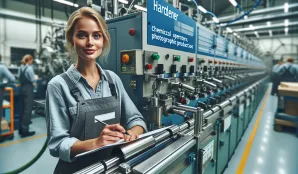
Heart cooker salary
Latest available salary statistics are for 2025. Compare average pay, salary range and related job listings.
41 400 - 45 700 SEK / month
Women earn 98% of what men do.
Industriell tillverkning
Related tools
Salary progression Heart cooker
What does a Hartskokare do? – Tasks and Work Environment
A Hartskokare primarily works within the chemical-technical industry and is responsible for the manufacturing, monitoring, and quality control of resins. Tasks include starting, overseeing, and regulating processes, as well as managing machinery and technical equipment required for producing various types of resins. The work is often physical and requires precision, especially when handling chemicals where safety procedures are of utmost importance. The work environment can be noisy and involve shift work, which demands endurance and accuracy.
Salary Development Over Time
The salary for Hartskokare has developed positively in recent years. In 2022, the average salary was 32,600 SEK per month. The following year, 2023, it increased to 38 100 SEK, representing an increase of about 3%. The most significant rise occurred in the past year: 2024, with an average salary of 42 600 SEK, which is an increase of just over 13% compared to the previous year. This salary trend reflects increased demand for specialized machine operators in the chemical industry, along with a more competitive job market where employers need to offer higher wages to attract and retain qualified personnel. Technological developments and safety requirements have also contributed to this trend.
Hartskokare Salary – Complete Overview
- Average salary: 42 600 SEK/month
- Lowest salary: 36,000 SEK/month
- Highest salary: 39,800 SEK/month
- Hourly wage: 229 SEK/hour
- Women earn: 36,900 SEK/month (98% of men's salary)
- Men earn: 38,500 SEK/month
- Regional differences: Salary levels may vary depending on industry area and local demand
Education and Qualifications
To work as a Hartskokare, a secondary education with a focus on industry, chemistry, or process engineering is usually required. Many employers also value experience from similar work environments or additional courses in chemical technology and machinery handling. Practical experience is highly valued and can often substitute formal educational requirements. Certifications in safety and chemical handling are advantageous and sometimes mandatory depending on the workplace's safety protocols.
- Secondary education: Industry, chemistry, or process engineering (3 years)
- Certifications: Safety training for chemical handling
- Practical experience: Industrial production experience is highly valuable
- Prerequisites: Basic knowledge of chemistry and machinery handling
- Advice for choosing: Select high school programs with strong links to industry or technology
Many Hartskokare develop a deep understanding of chemical processes and often work closely with development teams to improve both product quality and efficiency. For those interested in process engineering, the profession offers opportunities to follow the product from raw material to finished good and contribute to innovation within the industry.
Common Benefits and Compensation
A Hartskokare is often covered by collective agreements and has access to benefits such as occupational pension, insurance, wellness contributions, and sometimes bonuses linked to production targets. Shift work can be compensated with OB allowances, and some employers offer subsidized lunch or work clothing.
Competition and Challenges
The competition for jobs as a Hartskokare varies depending on the region and industry demand, but the profession is generally considered specialized with a limited number of qualified candidates. One of the main challenges is maintaining high safety standards, as work often occurs in environments with chemicals and high temperatures. Technological changes in production also require continuous skills development. The job market is influenced by the economic situation in the industry, and automation may eventually change the demand for manual labor.
Tips for Aspiring Hartskokare
To succeed as a Hartskokare, it’s good to combine precision with an interest in technology and chemistry. A strong safety mindset is crucial, as the work often involves handling chemicals and machinery. Good teamwork skills facilitate daily work, as the job is performed in teams where communication is key. Flexibility is valuable, especially since shift work and process changes can occur. Being proactive and eager to learn helps adapt quickly to technological changes and improve workflows. Analytical skills assist with troubleshooting and quality control, while endurance is necessary for physically demanding tasks.
Key Facts About Hartskokare
- Education level: Secondary education with a focus on industry or chemistry
- Work environment: Industrial and often shift-based
- Demand: 1437 job openings in 2024 within the profession
- Salary range: 36,000–39,800 SEK/month
- Special skills: Chemical handling and process technology
Career Paths and Future Outlook
After three to five years in the profession, a Hartskokare can advance to roles such as supervisor, process operator, or quality control specialist. Opportunities also exist to work with process development or train new employees within the industry. Forecasts from the Employment Service indicate some uncertainty about future recruitment needs for this job title, as it is part of a larger occupational group. However, there were 1437 job openings for chemical process machine operators in 2024, suggesting continued demand. Technological innovations and environmental requirements may create new career opportunities, especially for those who pursue further training in automation and sustainability.
Frequently Asked Questions about Hartskokare
- What does a Hartskokare earn?
- A Hartskokare has an average salary of 42 600 SEK per month, with a range between 36,000 and 39,800 SEK. - How does one become a Hartskokare?
- The most common route is secondary education in industry, chemistry, or process engineering, often supplemented with practical training and certifications in chemical handling. - What are the job responsibilities of a Hartskokare?
- The role involves monitoring and regulating machines for resin production, ensuring quality, and following safety procedures. - Are there salary differences between men and women?
- Yes, women earn on average 98% of what men do within the profession. - What benefits are common for Hartskokare?
- Collective agreements, occupational pension, insurance, wellness contributions, and shift work supplements are common benefits. - What are the future prospects?
- The outlook is uncertain, but demand for the profession remains, with over 1400 job openings in 2024.

Salary distributed by age and sector
| Age | Base salary | Monthly salary | |
|---|---|---|---|
| 25-34 | 36100 kr | 41900 kr | |
| 35-44 | 37300 kr | 42900 kr | |
| 45-54 | 37800 kr | 43400 kr | |
| 55-64 | 37900 kr | 44000 kr | |
| Snitt | 98% | 36900 kr | 42600 kr |
| Age | Base salary | Monthly salary | |
|---|---|---|---|
| 25-34 | 36100 kr | 41900 kr | |
| 35-44 | 37300 kr | 42900 kr | |
| 45-54 | 37800 kr | 43400 kr | |
| 55-64 | 37900 kr | 44000 kr | |
| Snitt | 98% | 36900 kr | 42600 kr |
| Age | Base salary | Monthly salary | |
|---|---|---|---|
| 25-34 | 36100 kr | 41900 kr | |
| 35-44 | 37300 kr | 42900 kr | |
| 45-54 | 37800 kr | 43400 kr | |
| 55-64 | 37900 kr | 44000 kr | |
| Snitt | 98% | 36900 kr | 42600 kr |
| Age | Base salary | Monthly salary | |
|---|---|---|---|
| 25-34 | 36300 kr | 42300 kr | |
| 35-44 | 37400 kr | 42800 kr | |
| 45-54 | 38000 kr | 43500 kr | |
| 55-64 | 38000 kr | 44300 kr | |
| Snitt | 98% | 37100 kr | 42700 kr |
| Age | Base salary | Monthly salary | |
|---|---|---|---|
| 25-34 | 36300 kr | 42300 kr | |
| 35-44 | 37400 kr | 42800 kr | |
| 45-54 | 38000 kr | 43500 kr | |
| 55-64 | 38000 kr | 44300 kr | |
| Snitt | 98% | 37100 kr | 42700 kr |
| Age | Base salary | Monthly salary | |
|---|---|---|---|
| 25-34 | 36300 kr | 42300 kr | |
| 35-44 | 37400 kr | 42800 kr | |
| 45-54 | 38000 kr | 43500 kr | |
| 55-64 | 38000 kr | 44300 kr | |
| Snitt | 98% | 37100 kr | 42700 kr |
| Age | Base salary | Monthly salary | |
|---|---|---|---|
| Snitt | 98% | 36200 kr | 42000 kr |
| Age | Base salary | Monthly salary | |
|---|---|---|---|
| Snitt | 98% | 36200 kr | 42000 kr |
| Age | Base salary | Monthly salary | |
|---|---|---|---|
| Snitt | 98% | 36200 kr | 42000 kr |

About the data
All information displayed on this page is based on data from the Swedish Central Bureau of Statistics (SCB), the Swedish Tax Agency and the Swedish employment agency. Learn more about our data and data sources here.
All figures are gross salaries, meaning salaries before tax. The average salary, or mean salary, is calculated by adding up the total salary for all individuals within the profession and dividing it by the number of individuals. For specific job categories, we have also considered various criteria such as experience and education.
Profession Heart cooker has the SSYK code 8132, which we use to match against the SCB database to obtain the latest salary statistics.
-
Production Operator at Vanadis Energy in Rosersberg
Machine operators, chemical technology and photographic products
Fri, 10 Jul 2026 - 22:01 -

Operator – Optical Thin Film Coatings
Machine operators, chemical technology and photographic products
Wed, 1 Jul 2026 - 09:04 -
Operator – Optical Thin Film Coatings
Machine operators, chemical technology and photographic products
Wed, 1 Jul 2026 - 06:29 -

Summer Production and Packing Job in Höganäs
Machine operators, chemical technology and photographic products
Tue, 23 Jun 2026 - 22:06 -

Production Technician for Shift Work in Järfalla – 30h/week with Full-Time Pay
Machine operators, chemical technology and photographic products
Fri, 19 Jun 2026 - 00:27
Compare salary, work tasks and job outlook in adjacent occupations to find roles with similar skills or pay levels.
-

Turbine fitter, manufacturing salary
Average salary: 35 700 SEK/month • Industriell tillverkning
Vehicle assemblers
Compare with Heart cooker
Tue, 14 Jul 2026 - 11:57 -

Process operator, glass, ceramic products salary
Average salary: 36 900 SEK/month • Industriell tillverkning
Other process and machine operators
Compare with Heart cooker
Tue, 14 Jul 2026 - 08:17 -

Fan fitter, manufacturing salary
Average salary: 33 500 SEK/month • Industriell tillverkning
Assemblers, metal, rubber and plastic products
Compare with Heart cooker
Tue, 14 Jul 2026 - 14:00 -
Wallpaper roller engravers salary
Average salary: 35 300 SEK/month • Industriell tillverkning
Prepress technicians
Compare with Heart cooker
Tue, 14 Jul 2026 - 11:05 -

Average salary: 37 900 SEK/month • Industriell tillverkning
Toolmakers
Compare with Heart cooker
Tue, 14 Jul 2026 - 04:06 -

Average salary: 31 900 SEK/month • Industriell tillverkning
Hand packers and other factory workers
Compare with Heart cooker
Tue, 14 Jul 2026 - 07:40


