- Salary statistics
- Granulators salary
Granulators salary
Latest available salary statistics are for 2025. Compare average pay, salary range and related job listings.
38 700 - 40 900 SEK / month
Women earn 99% of what men do.
Industriell tillverkning
Related tools
Salary progression Granulators
What does a Granulator do? – Tasks and Work Environment
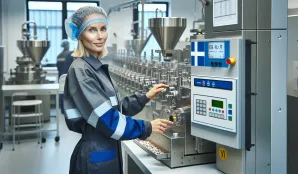
A Granulator primarily works within the pharmaceutical industry, responsible for operating and monitoring machinery that produces granules—small, pellet-shaped particles often used in medicines and pharmaceutical products. Tasks include preparing raw materials, starting and adjusting granulation machines, supervising processes, performing quality checks, and documenting production data according to strict procedures. The work environment is characterized by high demands on cleanliness, safety, and precision, often in controlled environments with protective equipment and strict hygiene protocols. Granulators collaborate closely with other machine operators, production managers, and quality control personnel to ensure products meet internal and external quality standards.
Salary development over time
Over the past three years, the salary for a Granulator has shown a stable but somewhat fluctuating trend. In 2022, the average salary was 3599 SEK per month, increasing to 3799 SEK in 2023. In 2024, the average salary slightly decreased to 39 900 SEK per month. Overall, this represents a roughly 4% increase from 2022 to 2024, despite a small decline last year. These fluctuations can be explained by changes in demand, economic conditions in the labor market, and potential collective bargaining agreements within the industry. The salary level for a Granulator remains competitive, and the profession offers a stable income compared to many other machine operation roles within Swedish industry.
Granulator salary – comprehensive overview
- Average salary: 39 900 SEK/month
- Lowest salary: 35,600 SEK/month (men), 35,800 SEK/month (women)
- Highest salary: 38,600 SEK/month (men), 38,300 SEK/month (women)
- Hourly wage (average): 219 SEK
- Gender differences: Women earn the same as men in this profession
- Regional differences: Small, but highest salaries are found within the regional sector
Education and qualifications
To work as a Granulator, a secondary education in industry, engineering, or natural sciences is typically required, sometimes supplemented with internal company training or specialized courses in pharmaceutical or food production. Practical experience with machinery handling and production technology is highly meritorious. Many employers also seek knowledge of quality systems and documentation according to GMP (Good Manufacturing Practice).
- Secondary education: Industrial technical program or equivalent (3 years)
- Certifications: GMP training and safety courses
- Internships: Often access to internships or trainee programs within the industry
- Prerequisites: Basic technical understanding and accuracy
- Advice for choosing: Opt for education with a focus on pharmaceutical or process industry for better opportunities
Granulators often work in teams where collaboration and communication are crucial, especially since production processes require precise coordination between different departments. The ability to quickly adapt to new technologies and machinery is an important success factor in the profession.
Common benefits and compensation
Granulators are often offered benefits such as shift and overtime pay, wellness allowances, extra vacation days, and comprehensive occupational health services. Other common compensations include occupational pension, workwear, and opportunities for further training within the company. In some cases, performance bonuses or collectively negotiated salary supplements may also be provided.
Competitions and challenges
Competition for positions as a Granulator is relatively low, partly due to the specialized skills required in pharmaceutical production and machinery handling. Challenges in the profession include high demands for precision, documentation, and compliance with safety regulations. The production environment can be physically demanding and often involves shift work, requiring both physical and mental endurance. Opportunities for advancement depend on experience, further education, and the ability to quickly learn new technologies. The role is also influenced by digitalization and automation, which may lead to new tasks and changing skill requirements.
Tips for aspiring Granulators
To succeed as a Granulator, it is important to be meticulous and methodical, as production relies on precise processes and quality controls. An interest in technology facilitates understanding and handling machinery, and problem-solving skills are valuable during operational disruptions or process changes. Flexibility and adaptability are needed to manage shift work and rapidly changing tasks. Being a good team player is also essential, as the work often involves close collaboration with colleagues from different parts of production. To increase your chances of employment, it is wise to pursue GMP training and gain practical experience or internships in similar industries. A positive attitude towards continuous development and further education also makes it easier to meet future industry demands.
Key facts about Granulators
- Education level: Secondary education, preferably with an industrial focus
- Work environment: Production in controlled and hygienic environments
- Typical work form: Shift work within the pharmaceutical industry
- Demand: 1,437 job openings in the profession in 2024
- Gender differences: Virtually none – equal pay
Career paths and future outlook
After three to five years as a Granulator, there are good opportunities to advance to roles such as team leader, process operator, or production planner, especially for those pursuing further education in production technology or quality assurance. The Employment Service’s forecasts for machine operators in pharmaceutical products are uncertain due to limited data, but the broader profession shows continued demand with over 1,400 job openings in 2024. Major pharmaceutical companies and contract manufacturers are the main employers, and digitalization and automation may create new development paths for those wishing to specialize. For those seeking a long-term career, further education in production technology or quality assurance also opens doors to more qualified positions.
Frequently asked questions about Granulators
- What is the average salary of a Granulator?
- A Granulator has an average salary of 39 900 SEK per month. - Are there differences between men's and women's salaries?
- No, women and men earn approximately the same in this profession. - What education is required to become a Granulator?
- A secondary education with an industrial or technical focus is recommended, preferably supplemented with GMP training. - What does the work environment look like for a Granulator?
- The work environment is controlled and demands high standards of cleanliness and safety, often involving shift work. - Are there many job opportunities for Granulators?
- Yes, there are over 1400 job openings according to current statistics. - What are the future prospects?
- The outlook is stable but uncertain due to limited data, though demand remains strong within the industry. - What is the highest and lowest salary for a Granulator?
- The highest salary is 38,600 SEK/month and the lowest is 35,600 SEK/month depending on sector and experience.

Salary distributed by age and sector
| Age | Base salary | Monthly salary | |
|---|---|---|---|
| 18-24 | 106% | 30500 kr | 37300 kr |
| 25-34 | 99% | 32500 kr | 39600 kr |
| 35-44 | 97% | 33300 kr | 40000 kr |
| 45-54 | 96% | 34200 kr | 40400 kr |
| 55-64 | 97% | 35000 kr | 41000 kr |
| Snitt | 99% | 33300 kr | 39900 kr |
| Age | Base salary | Monthly salary | |
|---|---|---|---|
| 18-24 | 106% | 30500 kr | 37300 kr |
| 25-34 | 99% | 32500 kr | 39600 kr |
| 35-44 | 97% | 33300 kr | 40000 kr |
| 45-54 | 96% | 34200 kr | 40400 kr |
| 55-64 | 97% | 35000 kr | 41000 kr |
| Snitt | 99% | 33300 kr | 39900 kr |
| Age | Base salary | Monthly salary | |
|---|---|---|---|
| 18-24 | 106% | 30500 kr | 37300 kr |
| 25-34 | 99% | 32500 kr | 39600 kr |
| 35-44 | 97% | 33300 kr | 40000 kr |
| 45-54 | 96% | 34200 kr | 40400 kr |
| 55-64 | 97% | 35000 kr | 41000 kr |
| Snitt | 99% | 33300 kr | 39900 kr |
| Age | Base salary | Monthly salary | |
|---|---|---|---|
| 18-24 | 106% | 29900 kr | 36500 kr |
| 25-34 | 99% | 32300 kr | 39700 kr |
| 35-44 | 97% | 33400 kr | 40400 kr |
| 45-54 | 96% | 34400 kr | 41100 kr |
| 55-64 | 97% | 35300 kr | 41700 kr |
| Snitt | 99% | 33200 kr | 40100 kr |
| Age | Base salary | Monthly salary | |
|---|---|---|---|
| 18-24 | 106% | 29900 kr | 36500 kr |
| 25-34 | 99% | 32300 kr | 39700 kr |
| 35-44 | 97% | 33400 kr | 40400 kr |
| 45-54 | 96% | 34400 kr | 41100 kr |
| 55-64 | 97% | 35300 kr | 41700 kr |
| Snitt | 99% | 33200 kr | 40100 kr |
| Age | Base salary | Monthly salary | |
|---|---|---|---|
| 18-24 | 106% | 29900 kr | 36500 kr |
| 25-34 | 99% | 32300 kr | 39700 kr |
| 35-44 | 97% | 33400 kr | 40400 kr |
| 45-54 | 96% | 34400 kr | 41100 kr |
| 55-64 | 97% | 35300 kr | 41700 kr |
| Snitt | 99% | 33200 kr | 40100 kr |
| Age | Base salary | Monthly salary | |
|---|---|---|---|
| 18-24 | 106% | 31500 kr | 38600 kr |
| 25-34 | 99% | 32800 kr | 39300 kr |
| 35-44 | 97% | 33300 kr | 39200 kr |
| 45-54 | 96% | 34000 kr | 39600 kr |
| 55-64 | 97% | 34700 kr | 40300 kr |
| Snitt | 99% | 33500 kr | 39500 kr |
| Age | Base salary | Monthly salary | |
|---|---|---|---|
| 18-24 | 106% | 31500 kr | 38600 kr |
| 25-34 | 99% | 32800 kr | 39300 kr |
| 35-44 | 97% | 33300 kr | 39200 kr |
| 45-54 | 96% | 34000 kr | 39600 kr |
| 55-64 | 97% | 34700 kr | 40300 kr |
| Snitt | 99% | 33500 kr | 39500 kr |
| Age | Base salary | Monthly salary | |
|---|---|---|---|
| 18-24 | 106% | 31500 kr | 38600 kr |
| 25-34 | 99% | 32800 kr | 39300 kr |
| 35-44 | 97% | 33300 kr | 39200 kr |
| 45-54 | 96% | 34000 kr | 39600 kr |
| 55-64 | 97% | 34700 kr | 40300 kr |
| Snitt | 99% | 33500 kr | 39500 kr |

About the data
All information displayed on this page is based on data from the Swedish Central Bureau of Statistics (SCB), the Swedish Tax Agency and the Swedish employment agency. Learn more about our data and data sources here.
All figures are gross salaries, meaning salaries before tax. The average salary, or mean salary, is calculated by adding up the total salary for all individuals within the profession and dividing it by the number of individuals. For specific job categories, we have also considered various criteria such as experience and education.
Profession Granulators has the SSYK code 8131, which we use to match against the SCB database to obtain the latest salary statistics.
-

Production Worker for Pharmaceutical Industry in Höganäs – 2 Shifts
Machine operators, pharmaceutical products
Mon, 13 Jul 2026 - 20:37 -
Production Worker for Pharmaceutical Industry in Höganäs – 2-Shift
Machine operators, pharmaceutical products
Mon, 13 Jul 2026 - 20:35 -
Operator for Pharmaceutical Production in Södertälje
Machine operators, pharmaceutical products
Fri, 10 Jul 2026 - 22:41 -

Production Worker for Pharmaceutical Industry in Södertälje (Aug–Dec)
Machine operators, pharmaceutical products
Fri, 10 Jul 2026 - 21:56 -
Production Worker for Pharmaceutical Industry in Södertälje
Machine operators, pharmaceutical products
Fri, 10 Jul 2026 - 20:54
Compare salary, work tasks and job outlook in adjacent occupations to find roles with similar skills or pay levels.
-

Average salary: 35 700 SEK/month • Industriell tillverkning
Grinders etc.
Compare with Granulators
Tue, 14 Jul 2026 - 10:55 -

Sheet metal straightener salary
Average salary: 40 100 SEK/month • Industriell tillverkning
Other machine and process operators, steel and metal
Compare with Granulators
Tue, 14 Jul 2026 - 07:11 -

Machine fitters, wood industry salary
Average salary: 34 700 SEK/month • Industriell tillverkning
Machine carpenters and machine operators, wood industry
Compare with Granulators
Tue, 14 Jul 2026 - 10:28 -

Average salary: 36 800 SEK/month • Industriell tillverkning
Welders and gas cutters
Compare with Granulators
Mon, 13 Jul 2026 - 19:09 -

Average salary: 38 300 SEK/month • Industriell tillverkning
Operators in sawmills, planing mills and plywood etc.
Compare with Granulators
Tue, 14 Jul 2026 - 11:56 -

Veneer presses, veneer manufacturing salary
Average salary: 38 300 SEK/month • Industriell tillverkning
Operators in sawmills, planing mills and plywood etc.
Compare with Granulators
Tue, 14 Jul 2026 - 11:57


