- Salary statistics
- Glassworks worker salary
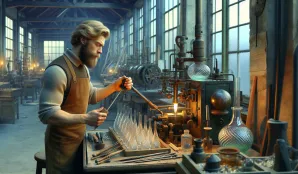
Glassworks worker salary
Latest available salary statistics are for 2025. Compare average pay, salary range and related job listings.
33 800 - 34 000 SEK / month
Hantverksyrken
Related tools
Salary progression Glassworks worker
What does a glassworks worker do? – Tasks and work environment
A glassworks worker is involved in the manufacturing, processing, and design of glass products in an industrial setting. Typical tasks include melting raw materials, handling furnaces, blowing or shaping glass, and performing finishing touches such as grinding, polishing, and decorating. The work is often done in teams, where precision and collaboration are crucial to ensure the quality of the finished products. The work environment is warm and can be noisy, with high safety and accuracy requirements when handling both machinery and molten glass.
Salary development over time
The salary for glassworks workers has changed significantly over the past three years. In 2022, the average salary was 34,382 SEK per month, which increased slightly to 30 900 SEK in 2023. During 2024, the average salary has fallen to 34 000 SEK per month, a decrease of approximately 11% compared to the previous year. This decline may be related to decreased demand for traditional craftsmanship, increased automation, or regional shifts in the labor market. Despite being a smaller profession, glassworks remains in demand, but salary levels can be influenced by economic conditions and industry-specific needs.
Glassworks worker salary – complete overview
- Average salary: 34 000 SEK/month
- Lowest/Highest salary: Data unavailable
- Hourly wage: 186 SEK/hour (based on 166 hours/month)
- Gender differences: Data unavailable
- Regional differences: Data unavailable
Education and qualifications
The pathway to becoming a glassworks worker often involves practical training and experience rather than formal degrees. Many start as apprentices or through vocational high school programs focused on glass. Skills are typically developed through supervised internships and further training on the job. Some glassworks offer internal courses and specialized training to ensure the right skills.
- Vocational high school education: 3 years, often with a focus on glass or craft arts
- Internship/Apprenticeship: 1–3 years at a glassworks or workshop environment
- Internal courses: Often offered at workplaces for skill development
- Prerequisites: Good physical health, attention to detail, and interest in craftsmanship
- Tips for choosing: Visit a glassworks and try practical work before starting education
Glassworks workers often have the opportunity to work closely with skilled glass artists, providing unique chances to develop both artistic and technical skills in practice. Many glassworks also host open house events and collaborate with designers, making the profession social and varied.
Common benefits and compensations
Benefits for glassworks workers often include shift bonuses, wellness allowances, and work clothing. Some employers also offer subsidized lunches, discounts on glass products, and opportunities for skill development through internal courses and training programs.
Competition and challenges
The profession is characterized by high competition for permanent positions, especially within larger and well-known glassworks. Automation and decreased demand for traditional craftsmanship have limited the number of available positions, and employers often require experience and technical proficiency. The work environment demands good physical condition and the ability to work in high temperatures. Keeping up with new techniques and design trends is essential to remain competitive in the job market.
Tips for those interested in becoming a glassworks worker
To succeed as a glassworks worker, a genuine interest in craftsmanship and practical work is beneficial. Being meticulous and able to work methodically under stress is advantageous, as tasks often require precision and speed. Collaboration skills are important since much of the work is team-based, and communication about safety and work procedures is critical. Creativity is appreciated, especially if you want to develop your own ideas or collaborate with designers. Initiative and a willingness to learn new techniques make it easier to adapt to industry changes. Good physical fitness and endurance are necessary to handle the physical demands of the work environment. Finally, showing engagement and curiosity through visits, internships, or summer jobs at glassworks can be valuable.
Key facts about Glassworks workers
- Education level: Vocational high school education is most common
- Work environment: Industrial, warm, and noisy environment
- Work form: Often shift work in teams
- Demand: 341 available jobs in the profession
- Special skills: Glass handling and safety techniques
Career paths and future prospects
After 3–5 years in the profession, opportunities exist to advance to more specialized roles such as glassblower, supervisor, or production manager. Some choose further education in design or art glass, while others move into technical roles related to machinery and furnace maintenance. Forecasts from the Employment Service indicate high competition for permanent positions, but there remains demand for skilled artisans—especially within niche and artistic glassworks. Opportunities for further training and international work are also available, particularly for those with experience in unique techniques or design projects.
Frequently asked questions about Glassworks workers
- What is the average salary of a glassworks worker?
- The average salary for a glassworks worker is 34 000 SEK per month. - What education is required to become a glassworks worker?
- A vocational high school education with a focus on glass or equivalent practical experience is most common. - What is the work environment like for glassworks workers?
- The work environment is often warm, noisy, and industrial, with high safety requirements. - Are there many job openings for glassworks workers?
- There are currently 341 available jobs in the profession according to recent statistics. - What personal qualities are important in this profession?
- Attention to detail, teamwork skills, creativity, and good physical condition are especially valuable. - What does the future look like for glassworks workers?
- The competition is relatively high, but skilled artisans are still in demand, especially within niche glassworks.

Salary distributed by age and sector
| Age | Base salary | Monthly salary | |
|---|---|---|---|
| Snitt | 33800 kr | 34000 kr |
| Age | Base salary | Monthly salary | |
|---|---|---|---|
| Snitt | 33800 kr | 34000 kr |
| Age | Base salary | Monthly salary | |
|---|---|---|---|
| Snitt | 33800 kr | 34000 kr |

About the data
All information displayed on this page is based on data from the Swedish Central Bureau of Statistics (SCB), the Swedish Tax Agency and the Swedish employment agency. Learn more about our data and data sources here.
All figures are gross salaries, meaning salaries before tax. The average salary, or mean salary, is calculated by adding up the total salary for all individuals within the profession and dividing it by the number of individuals. For specific job categories, we have also considered various criteria such as experience and education.
Profession Glassworks worker has the SSYK code 7319, which we use to match against the SCB database to obtain the latest salary statistics.
-

Production Staff Wanted at Svebab – Svenska Brandslangsfabriken AB
Musical instrument makers and other artisans
Fri, 10 Jul 2026 - 21:23 -

Engraver and Customer Receptionist at Vasaboden – Full-Time Temporary Position
Musical instrument makers and other artisans
Tue, 7 Jul 2026 - 09:01 -

Screen Printer for Sign Production in Tumba
Musical instrument makers and other artisans
Mon, 29 Jun 2026 - 23:45 -

Machine Operator for Glass Manufacturing in Limmared
Musical instrument makers and other artisans
Thu, 25 Jun 2026 - 22:17 -

Teacher in Wood and Metal Craft at Vasaskolan in Hedemora
Musical instrument makers and other artisans
Thu, 25 Jun 2026 - 21:44
Compare salary, work tasks and job outlook in adjacent occupations to find roles with similar skills or pay levels.
-

Average salary: 33 100 SEK/month • Hantverksyrken
Tailors and atelier seamstresses etc.
Compare with Glassworks worker
Tue, 14 Jul 2026 - 08:16 -

Average salary: 33 100 SEK/month • Hantverksyrken
Tailors and atelier seamstresses etc.
Compare with Glassworks worker
Tue, 14 Jul 2026 - 11:56 -

Average salary: 34 000 SEK/month • Hantverksyrken
Musical instrument makers and other artisans
Compare with Glassworks worker
Tue, 14 Jul 2026 - 07:13 -

Curtain seamstress, studio salary
Average salary: 33 100 SEK/month • Hantverksyrken
Tailors and atelier seamstresses etc.
Compare with Glassworks worker
Tue, 14 Jul 2026 - 11:57 -

Ice cream grinder, other salary
Average salary: 34 000 SEK/month • Hantverksyrken
Musical instrument makers and other artisans
Compare with Glassworks worker
Tue, 14 Jul 2026 - 10:07 -

Average salary: 34 200 SEK/month • Hantverksyrken
Fine, interior and furniture carpenters
Compare with Glassworks worker
Tue, 14 Jul 2026 - 00:44


