- Salary statistics
- Window fitter, manufacturing salary
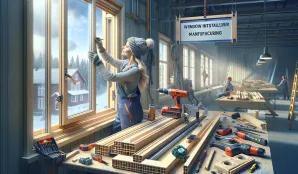
Window fitter, manufacturing salary
Latest available salary statistics are for 2025. Compare average pay, salary range and related job listings.
33 200 - 35 800 SEK / month
Women earn 96% of what men do.
Industriell tillverkning
Related tools
Salary progression Window fitter, manufacturing
What does a window installer in manufacturing do? – Tasks and work environment
A window installer in manufacturing primarily works with assembling, adjusting, and inspecting windows in an industrial environment. The tasks include assembling various parts of windows, such as frames, sashes, glass, and fittings, often according to specific drawings or instructions. Quality control is also involved, ensuring each window meets functional and finish requirements. The work is usually carried out in a factory setting, involving both manual and machine-assisted processes. Collaboration with other trades and a strong focus on safety and ergonomics are common, as handling heavy materials and tools is frequent.
Salary development over time
The salary for window installers in manufacturing has seen steady growth in recent years. In 2022, the average salary was 30,900 SEK, followed by an increase to 33 300 SEK in 2023. In 2024, the average salary has risen further to 34 400 SEK, representing a total increase of approximately 7.8% over this three-year period. This salary trend reflects continued demand for expertise in window manufacturing and is influenced by industry needs for skilled labor and general industry wage adjustments. Despite consistent growth, wage gaps between genders remain noticeable, although the gap has narrowed somewhat over time. Regional differences may occur depending on local labor market conditions and company size.
Window installer in manufacturing salary – comprehensive overview
- Average salary: 34 400 SEK/month
- Lowest salary: 32,100 SEK/month (female, high school education, various sectors)
- Highest salary: 33,800 SEK/month (male, private sector employee, post-secondary education <3 years)
- Hourly wage (average): 200 SEK
- Men's average salary: 34 700 SEK
- Women's average salary: 33 200 SEK (96% of men's salary)
In the role of a window installer in manufacturing, a keen eye for detail and the ability to work systematically are often required. Collaboration within work teams where each step affects the final result makes communication skills a valued trait in the profession.
Education and qualifications
The path to becoming a window installer in manufacturing usually goes through high school technical programs in industrial technology or similar practical training. Many employers also require experience with industrial assembly or working with wood products, but there are opportunities to learn the trade through internships or apprenticeships at the workplace. Some companies offer internal training and introductory programs for new hires.
- High school education: Industrial technology program (3 years)
- Internal training: Company-specific introductory courses
- Internship: Apprenticeship or practical training within industry
- Prerequisites: Good physical health and interest in craftsmanship
- Certifications: Usually not required but beneficial with training in work environment and safety
Common benefits and compensations
Window installers in manufacturing are often covered by collective agreements that include overtime pay, holiday pay, and occupational pension schemes. Many workplaces also offer wellness allowances, work clothing, and sometimes bonuses for meeting production targets. Other common benefits include subsidized lunches and employee discounts on company products.
Competition and challenges
The job market for window installers in manufacturing is characterized by a paradox: high demand for skills with many available positions, yet a relatively high unemployment rate within the profession. Recruitment difficulties may occur as employers seek candidates with the right education and experience, especially in regions with strong industrial presence. The profession also presents challenges related to work environment, such as strain injuries and monotonous tasks, which require good ergonomics and safety routines. To improve job prospects, it is advantageous to continuously develop skills and be flexible and adaptable to various tasks.
Tips for those who want to become a window installer in manufacturing
To succeed as a window installer in manufacturing, practical skills and an interest in craftsmanship are beneficial, making education in industrial technology or carpentry a strong foundation. Precision is crucial, so practicing following instructions and working systematically during training is recommended. Physical endurance and good health facilitate the work, as heavy lifting and long workdays are common. Demonstrating responsibility and punctuality is appreciated by employers, given the high production pace and teamwork. Developing good communication skills is also advantageous, as collaboration with colleagues and management is central. Seeking internships and being open to learning new tasks can provide valuable experience and increase chances of permanent employment. Finally, staying updated on industry developments and labor demand can influence salary growth and career opportunities.
Key facts about Window Installer, manufacturing
- Education level: High school, industrial technology or carpentry
- Work environment: Industrial factory environment, often physically demanding
- Demand: 1,437 job openings nationwide within the profession
- Typical employment form: Full-time, shift work possible
- Gender distribution: Men 34 700 SEK, women 33 200 SEK (96% of men's salary)
Career paths and future prospects
After three to five years in the profession as a window installer in manufacturing, there are opportunities to advance to more specialized roles such as team leader, quality inspector, or technical specialist in assembly. Some choose to further their education in production technology or transition to related trades within the wood and construction industries. According to the Swedish Public Employment Service, job opportunities remain good, with many openings and unchanged demand over the next five years. Despite a high supply of potential job seekers, recruitment difficulties are reported, indicating a continued strong labor market for the profession.
Frequently asked questions about Window Installer, manufacturing
- What does a Window Installer, manufacturing, earn?
- The average salary is 34 400 SEK per month, with variations depending on gender, experience, and education. - What is the hourly wage for a Window Installer, manufacturing?
- The average hourly wage is 200 SEK. - Are there differences between men's and women's wages?
- Yes, women earn on average 96% of what men do in the profession. - What education is required to become a Window Installer, manufacturing?
- High school education with a focus on industrial technology or carpentry is most common. - What are the future prospects?
- Demand for window installers is high, and the forecast remains unchanged for the coming years. - What opportunities for further development are available?
- Advancement to team leader, quality inspector, or further education in production technology is possible. - How many job openings are there?
- There are approximately 1,437 job openings nationwide within the profession.

Salary distributed by age and sector
| Age | Base salary | Monthly salary | |
|---|---|---|---|
| 18-24 | 30500 kr | 31900 kr | |
| 25-34 | 96% | 32600 kr | 33900 kr |
| 35-44 | 97% | 33100 kr | 34400 kr |
| 45-54 | 94% | 33500 kr | 34500 kr |
| 55-64 | 94% | 34300 kr | 35400 kr |
| Snitt | 96% | 33200 kr | 34400 kr |
| Age | Base salary | Monthly salary | |
|---|---|---|---|
| 18-24 | 30500 kr | 31900 kr | |
| 25-34 | 96% | 32600 kr | 33900 kr |
| 35-44 | 97% | 33100 kr | 34400 kr |
| 45-54 | 94% | 33500 kr | 34500 kr |
| 55-64 | 94% | 34300 kr | 35400 kr |
| Snitt | 96% | 33200 kr | 34400 kr |
| Age | Base salary | Monthly salary | |
|---|---|---|---|
| 18-24 | 30500 kr | 31900 kr | |
| 25-34 | 96% | 32600 kr | 33900 kr |
| 35-44 | 97% | 33100 kr | 34400 kr |
| 45-54 | 94% | 33500 kr | 34500 kr |
| 55-64 | 94% | 34300 kr | 35400 kr |
| Snitt | 96% | 33200 kr | 34400 kr |
| Age | Base salary | Monthly salary | |
|---|---|---|---|
| 18-24 | 30500 kr | 32000 kr | |
| 25-34 | 96% | 32700 kr | 34200 kr |
| 35-44 | 97% | 33200 kr | 34600 kr |
| 45-54 | 94% | 33900 kr | 35000 kr |
| 55-64 | 94% | 34800 kr | 36000 kr |
| Snitt | 96% | 33400 kr | 34700 kr |
| Age | Base salary | Monthly salary | |
|---|---|---|---|
| 18-24 | 30500 kr | 32000 kr | |
| 25-34 | 96% | 32700 kr | 34200 kr |
| 35-44 | 97% | 33200 kr | 34600 kr |
| 45-54 | 94% | 33900 kr | 35000 kr |
| 55-64 | 94% | 34800 kr | 36000 kr |
| Snitt | 96% | 33400 kr | 34700 kr |
| Age | Base salary | Monthly salary | |
|---|---|---|---|
| 18-24 | 30500 kr | 32000 kr | |
| 25-34 | 96% | 32700 kr | 34200 kr |
| 35-44 | 97% | 33200 kr | 34600 kr |
| 45-54 | 94% | 33900 kr | 35000 kr |
| 55-64 | 94% | 34800 kr | 36000 kr |
| Snitt | 96% | 33400 kr | 34700 kr |
| Age | Base salary | Monthly salary | |
|---|---|---|---|
| 25-34 | 96% | 32000 kr | 32800 kr |
| 35-44 | 97% | 32900 kr | 33500 kr |
| 45-54 | 94% | 32200 kr | 32900 kr |
| 55-64 | 94% | 32900 kr | 33700 kr |
| Snitt | 96% | 32400 kr | 33200 kr |
| Age | Base salary | Monthly salary | |
|---|---|---|---|
| 25-34 | 96% | 32000 kr | 32800 kr |
| 35-44 | 97% | 32900 kr | 33500 kr |
| 45-54 | 94% | 32200 kr | 32900 kr |
| 55-64 | 94% | 32900 kr | 33700 kr |
| Snitt | 96% | 32400 kr | 33200 kr |
| Age | Base salary | Monthly salary | |
|---|---|---|---|
| 25-34 | 96% | 32000 kr | 32800 kr |
| 35-44 | 97% | 32900 kr | 33500 kr |
| 45-54 | 94% | 32200 kr | 32900 kr |
| 55-64 | 94% | 32900 kr | 33700 kr |
| Snitt | 96% | 32400 kr | 33200 kr |

About the data
All information displayed on this page is based on data from the Swedish Central Bureau of Statistics (SCB), the Swedish Tax Agency and the Swedish employment agency. Learn more about our data and data sources here.
All figures are gross salaries, meaning salaries before tax. The average salary, or mean salary, is calculated by adding up the total salary for all individuals within the profession and dividing it by the number of individuals. For specific job categories, we have also considered various criteria such as experience and education.
Profession Window fitter, manufacturing has the SSYK code 8214, which we use to match against the SCB database to obtain the latest salary statistics.
-
Assembler Needed for Growing Staffing Agency – Varied Assembly and Moving Assignments
Assemblers, wood products
Fri, 10 Jul 2026 - 22:02 -

Assembler at Nobia – Combine Practical Work with Modern Technology
Assemblers, wood products
Tue, 7 Jul 2026 - 09:13 -

Assembly Technician Needed in Lidingö – Submit is Hiring
Assemblers, wood products
Sun, 5 Jul 2026 - 20:34 -

Wood Industry Worker Wanted – Practical Work in Modern Production
Assemblers, wood products
Fri, 3 Jul 2026 - 22:50

Compare salary, work tasks and job outlook in adjacent occupations to find roles with similar skills or pay levels.
-

Average salary: 40 100 SEK/month • Industriell tillverkning
Other machine and process operators, steel and metal
Compare with Window fitter, manufacturing
Tue, 14 Jul 2026 - 17:11 -

Average salary: 40 000 SEK/month • Industriell tillverkning
Rolling mill operators
Compare with Window fitter, manufacturing
Sat, 11 Jul 2026 - 23:24 -

Bookbinder, handicrafts salary
Average salary: 33 800 SEK/month • Industriell tillverkning
Bookbinders etc.
Compare with Window fitter, manufacturing
Tue, 14 Jul 2026 - 17:13 -

Average salary: 35 700 SEK/month • Industriell tillverkning
Vehicle assemblers
Compare with Window fitter, manufacturing
Tue, 14 Jul 2026 - 07:14 -

Average salary: 48 700 SEK/month • Industriell tillverkning
Process operators, stone crushing and ore processing
Compare with Window fitter, manufacturing
Tue, 14 Jul 2026 - 17:57 -

Average salary: 36 300 SEK/month • Industriell tillverkning
Machine setters and machine operators, metal work
Compare with Window fitter, manufacturing
Tue, 14 Jul 2026 - 10:54


