- Salary statistics
- Mountain rescuer salary
Mountain rescuer salary
Latest available salary statistics are for 2025. Compare average pay, salary range and related job listings.
30 800 - 49 800 SEK / month
Women earn 92% of what men do.
Säkerhetsarbete
Related tools
Salary progression Mountain rescuer
What does a mountain rescuer do? – Tasks and work environment
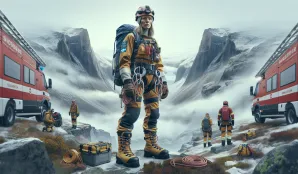
A mountain rescuer works to assist people who have experienced accidents or become lost in mountain environments. Tasks include search and rescue operations, first aid, transporting injured persons, and collaborating with police, ambulance, and other rescue services. These operations often occur under difficult weather conditions and in inaccessible terrain, demanding high physical and mental endurance. Mountain rescuers are usually organized within the police and work either voluntarily or paid, often on call and available around the clock.
Salary development over time
The salary for mountain rescuers has shown positive growth over the past three years. In 2022, the average salary was 30,700 SEK per month. The following year, 2023, the average increased to 34 500 SEK, representing a rise of approximately 5.5%. The latest statistics for 2024 show a further increase to 35 200 SEK, or just over 6% compared to the previous year. The salary growth is partly driven by increased demand for mountain rescuers, a growing focus on outdoor safety, and higher educational and specialized requirements. The trend indicates that the profession is becoming more valued, especially as more people visit Swedish mountains and the need for qualified rescue efforts increases.
Mountain rescuer salary – complete overview
- Average salary: 35 200 SEK/month
- Lowest salary: 30,200 SEK/month (male, public sector, pre-secondary education)
- Highest salary: 47,100 SEK/month (male, public sector, post-secondary education 3+ years)
- Hourly wage (average): 207 SEK
- Women: 33 500 SEK/month (92% of men's salary)
- Men: 36 400 SEK/month
- Regional differences: Salary levels may vary depending on region and employment type
Education and qualifications
To work as a mountain rescuer, a combination of formal education, specialized courses, and practical experience in mountain safety and rescue is generally required. Many mountain rescuers have backgrounds in police, healthcare, or rescue services, and undergo specific training in mountain rescue and survival. Good physical condition, stress management skills, and experience working in mountain environments are crucial for success in the role.
- Formal education: Post-secondary education (3 years or more) in rescue services, police, or healthcare
- Specialized courses: Mountain rescue training, survival courses, and first aid
- Practical experience: Practical service or trainee programs in mountain environments
- Prerequisites: Good physical condition, outdoor experience, and mountain hiking
- Certifications: Driver's license (category C), snowmobile license, or equivalent may be required
The role of a mountain rescuer often involves teamwork where communication and collaboration are essential for successful operations under pressure. Many mountain rescuers also have specialist skills in avalanche safety, dog handling, or advanced medical care, making the profession both varied and rewarding.
Common benefits and compensations
Mountain rescuers often have access to benefits such as wellness allowances, access to specialized equipment, opportunities for skill development and further training, and compensation for unsocial hours and on-call work. Some employers also offer extra insurance or support for operations outside regular working hours.
Competition and challenges
The job market for mountain rescuers is relatively small, and competition for permanent positions can be tough, especially in popular mountain regions. Many positions are filled internally within rescue services or police, requiring relevant work experience. Equipment requirements, physical tests, and continuous training are additional challenges. The work can also be mentally demanding due to operations under difficult conditions and the need for quick problem-solving. Despite this, the profession attracts many because of the opportunity to make a real difference and work in Sweden’s most spectacular natural environments.
Tips for aspiring mountain rescuers
To succeed as a mountain rescuer, it’s good to combine strong physical endurance with a genuine interest in outdoor life and mountain environments. Developing stress tolerance and decision-making skills is crucial, as the work often occurs under pressure and unpredictable conditions. Teamwork skills are also vital, since rescue efforts are almost always carried out in teams where clear communication can be life-saving. Gaining experience from other rescue professions or volunteer work in mountain safety can help build a relevant resume. Participating in specialized courses in mountain rescue and first aid provides an advantage, as does staying updated on new technology and equipment. An inquisitive and solution-oriented attitude will help you adapt to various challenges and grow in the role of mountain rescuer.
Key facts about mountain rescuers
- Education level: Post-secondary education (3 years or more is common)
- Work environment: Mountains, forests, and inaccessible terrain – often outdoors and in tough weather conditions
- Work form: Often on call, standby, and emergency responses around the clock
- Demand: 191 available jobs according to latest statistics
- Special skills: Mountain safety, survival, first aid, avalanche safety
Career paths and future prospects
After three to five years as a mountain rescuer, there are opportunities to develop into leadership roles such as incident commander, instructor in mountain rescue, or specialist in areas like avalanche safety and advanced medical care. Some move on to coordination roles within police rescue organizations or train new mountain rescuers. The Employment Service’s forecast indicates continued stable demand, especially with increased outdoor recreation and more visitors in mountain areas. Those combining practical experience with further education and specialized skills have the best chances for advancement and higher salaries within the profession.
Frequently asked questions about mountain rescuers
- What does a mountain rescuer earn?
- A mountain rescuer has an average salary of 35 200 SEK per month, but it varies based on experience, education, and region. - How to become a mountain rescuer?
- The most common route is to have post-secondary education in rescue services, police, or healthcare, along with specialized training in mountain rescue and survival. - Are there salary differences between men and women?
- Yes, women earn an average of 33 500 SEK/month, which corresponds to 92% of men's salary at 36 400 SEK/month. - What are the job duties of a mountain rescuer?
- Tasks include search and rescue, first aid, transporting injured persons, and collaborating with other rescue services. - What is the work environment like?
- The environment is often challenging, involving work in mountains, forests, and inaccessible terrain, sometimes under extreme weather conditions. - What career options are there?
- Opportunities include becoming incident commander, instructor, specialist, or taking on coordination roles within rescue organizations. - How many job openings are there in the field?
- Currently, there are 191 available jobs according to recent statistics.

Salary distributed by age and sector
| Age | Base salary | Monthly salary | |
|---|---|---|---|
| 18-24 | 97% | 26400 kr | 30200 kr |
| 25-34 | 98% | 31100 kr | 33800 kr |
| 35-44 | 90% | 35000 kr | 37100 kr |
| 45-54 | 90% | 36100 kr | 38300 kr |
| 55-64 | 94% | 35100 kr | 36900 kr |
| Snitt | 92% | 32700 kr | 35200 kr |
| Age | Base salary | Monthly salary | |
|---|---|---|---|
| 18-24 | 95% | 26100 kr | 30500 kr |
| 25-34 | 90% | 31300 kr | 35200 kr |
| 35-44 | 89% | 35700 kr | 38300 kr |
| 45-54 | 84% | 37900 kr | 40400 kr |
| 55-64 | 89% | 35500 kr | 37700 kr |
| 65-68 | 92% | 33200 kr | 35900 kr |
| Snitt | 88% | 33700 kr | 36800 kr |
| Age | Base salary | Monthly salary | |
|---|---|---|---|
| 18-24 | 96% | 29000 kr | 35300 kr |
| 25-34 | 90% | 36200 kr | 41900 kr |
| 35-44 | 93% | 41400 kr | 45100 kr |
| 45-54 | 90% | 44400 kr | 47700 kr |
| 55-64 | 95% | 41400 kr | 45600 kr |
| 65-68 | 40000 kr | 45100 kr | |
| Snitt | 93% | 39800 kr | 44200 kr |
| Age | Base salary | Monthly salary | |
|---|---|---|---|
| 18-24 | 103% | 24900 kr | 28700 kr |
| 25-34 | 102% | 28400 kr | 31300 kr |
| 35-44 | 103% | 31400 kr | 33200 kr |
| 45-54 | 101% | 32100 kr | 33600 kr |
| 55-64 | 102% | 32800 kr | 34200 kr |
| 65-68 | 101% | 31700 kr | 33800 kr |
| Snitt | 102% | 30100 kr | 32300 kr |
| Age | Base salary | Monthly salary | |
|---|---|---|---|
| 18-24 | 99% | 26500 kr | 30000 kr |
| 25-34 | 103% | 30900 kr | 33000 kr |
| 35-44 | 34400 kr | 36100 kr | |
| 45-54 | 96% | 34400 kr | 36400 kr |
| 55-64 | 34600 kr | 36000 kr | |
| Snitt | 96% | 31800 kr | 34000 kr |
| Age | Base salary | Monthly salary | |
|---|---|---|---|
| 18-24 | 99% | 26500 kr | 30000 kr |
| 25-34 | 103% | 30900 kr | 33000 kr |
| 35-44 | 34400 kr | 36100 kr | |
| 45-54 | 96% | 34400 kr | 36400 kr |
| 55-64 | 34600 kr | 36000 kr | |
| Snitt | 96% | 31800 kr | 34000 kr |
| Age | Base salary | Monthly salary | |
|---|---|---|---|
| 18-24 | 97% | 26600 kr | 30700 kr |
| 25-34 | 98% | 30900 kr | 34100 kr |
| 35-44 | 90% | 35900 kr | 38500 kr |
| 45-54 | 90% | 37300 kr | 39800 kr |
| 55-64 | 94% | 35600 kr | 37700 kr |
| Snitt | 92% | 33500 kr | 36400 kr |
| Age | Base salary | Monthly salary | |
|---|---|---|---|
| 18-24 | 95% | 26300 kr | 31300 kr |
| 25-34 | 90% | 31900 kr | 36600 kr |
| 35-44 | 89% | 36700 kr | 39900 kr |
| 45-54 | 84% | 39800 kr | 42900 kr |
| 55-64 | 89% | 36700 kr | 39500 kr |
| 65-68 | 92% | 34400 kr | 36900 kr |
| Snitt | 88% | 34900 kr | 38500 kr |
| Age | Base salary | Monthly salary | |
|---|---|---|---|
| 18-24 | 96% | 28700 kr | 35500 kr |
| 25-34 | 90% | 36100 kr | 42600 kr |
| 35-44 | 93% | 41500 kr | 45700 kr |
| 45-54 | 90% | 44700 kr | 48600 kr |
| 55-64 | 95% | 41300 kr | 45800 kr |
| 65-68 | 40000 kr | 45100 kr | |
| Snitt | 93% | 39700 kr | 44700 kr |
| Age | Base salary | Monthly salary | |
|---|---|---|---|
| 18-24 | 103% | 24600 kr | 28200 kr |
| 25-34 | 102% | 28100 kr | 31000 kr |
| 35-44 | 103% | 30800 kr | 32700 kr |
| 45-54 | 101% | 31900 kr | 33500 kr |
| 55-64 | 102% | 32400 kr | 33700 kr |
| 65-68 | 101% | 32200 kr | 33800 kr |
| Snitt | 102% | 29700 kr | 31900 kr |
| Age | Base salary | Monthly salary | |
|---|---|---|---|
| 18-24 | 99% | 26700 kr | 30200 kr |
| 25-34 | 103% | 30300 kr | 32500 kr |
| 35-44 | 35200 kr | 37200 kr | |
| 45-54 | 96% | 34800 kr | 36900 kr |
| 55-64 | 34500 kr | 36000 kr | |
| Snitt | 96% | 32400 kr | 34600 kr |
| Age | Base salary | Monthly salary | |
|---|---|---|---|
| 18-24 | 99% | 26700 kr | 30200 kr |
| 25-34 | 103% | 30300 kr | 32500 kr |
| 35-44 | 35200 kr | 37200 kr | |
| 45-54 | 96% | 34800 kr | 36900 kr |
| 55-64 | 34500 kr | 36000 kr | |
| Snitt | 96% | 32400 kr | 34600 kr |
| Age | Base salary | Monthly salary | |
|---|---|---|---|
| 18-24 | 97% | 26200 kr | 29700 kr |
| 25-34 | 98% | 31200 kr | 33300 kr |
| 35-44 | 90% | 33400 kr | 34800 kr |
| 45-54 | 90% | 34200 kr | 35900 kr |
| 55-64 | 94% | 34300 kr | 35500 kr |
| Snitt | 92% | 31500 kr | 33500 kr |
| Age | Base salary | Monthly salary | |
|---|---|---|---|
| 18-24 | 95% | 25700 kr | 29600 kr |
| 25-34 | 90% | 30200 kr | 32800 kr |
| 35-44 | 89% | 33900 kr | 35500 kr |
| 45-54 | 84% | 34800 kr | 36200 kr |
| 55-64 | 89% | 33800 kr | 35100 kr |
| 65-68 | 92% | 30900 kr | 33900 kr |
| Snitt | 88% | 32000 kr | 34000 kr |
| Age | Base salary | Monthly salary | |
|---|---|---|---|
| 18-24 | 96% | 30800 kr | 34100 kr |
| 25-34 | 90% | 37100 kr | 38300 kr |
| 35-44 | 93% | 41000 kr | 42400 kr |
| 45-54 | 90% | 43200 kr | 44000 kr |
| 55-64 | 95% | 43300 kr | 43600 kr |
| Snitt | 93% | 40100 kr | 41300 kr |
| Age | Base salary | Monthly salary | |
|---|---|---|---|
| 18-24 | 103% | 25100 kr | 29100 kr |
| 25-34 | 102% | 28800 kr | 31600 kr |
| 35-44 | 103% | 32000 kr | 33600 kr |
| 45-54 | 101% | 32200 kr | 33700 kr |
| 55-64 | 102% | 33100 kr | 34500 kr |
| 65-68 | 101% | 30900 kr | 33900 kr |
| Snitt | 102% | 30400 kr | 32700 kr |
| Age | Base salary | Monthly salary | |
|---|---|---|---|
| 18-24 | 99% | 26400 kr | 29800 kr |
| 25-34 | 103% | 31700 kr | 33500 kr |
| 45-54 | 96% | 33700 kr | 35500 kr |
| Snitt | 96% | 31100 kr | 33200 kr |
| Age | Base salary | Monthly salary | |
|---|---|---|---|
| 18-24 | 99% | 26400 kr | 29800 kr |
| 25-34 | 103% | 31700 kr | 33500 kr |
| 45-54 | 96% | 33700 kr | 35500 kr |
| Snitt | 96% | 31100 kr | 33200 kr |

About the data
All information displayed on this page is based on data from the Swedish Central Bureau of Statistics (SCB), the Swedish Tax Agency and the Swedish employment agency. Learn more about our data and data sources here.
All figures are gross salaries, meaning salaries before tax. The average salary, or mean salary, is calculated by adding up the total salary for all individuals within the profession and dividing it by the number of individuals. For specific job categories, we have also considered various criteria such as experience and education.
Profession Mountain rescuer has the SSYK code 5419, which we use to match against the SCB database to obtain the latest salary statistics.
-

Parking Attendant in Stockholm (Hourly Position)
Other security and protection staff
Tue, 14 Jul 2026 - 21:11 -
Parking Attendant in Stockholm (Full-time)
Other security and protection staff
Tue, 14 Jul 2026 - 20:57 -
Parking Attendant in East Region – Full Time
Other security and protection staff
Mon, 13 Jul 2026 - 21:48 -

Pool Attendant/Lifeguard at Piteå Municipality Swimming Pools – Temporary until May 2027
Other security and protection staff
Mon, 13 Jul 2026 - 06:34 -
Traffic Controller Wanted at Growing Company AYVAA
Other security and protection staff
Fri, 10 Jul 2026 - 21:46
Compare salary, work tasks and job outlook in adjacent occupations to find roles with similar skills or pay levels.
-
Average salary: 43 000 SEK/month • Säkerhetsarbete
Customs and coast guard officers
Compare with Mountain rescuer
Tue, 14 Jul 2026 - 10:59 -

Average salary: 42 800 SEK/month • Säkerhetsarbete
Safety inspectors etc.
Compare with Mountain rescuer
Tue, 14 Jul 2026 - 21:01 -

Average salary: 43 900 SEK/month • Säkerhetsarbete
Police officers
Compare with Mountain rescuer
Tue, 14 Jul 2026 - 20:01 -

Average salary: 41 800 SEK/month • Säkerhetsarbete
Fire engineers and building inspectors etc.
Compare with Mountain rescuer
Tue, 14 Jul 2026 - 20:47 -

Average salary: 35 400 SEK/month • Säkerhetsarbete
Security guards and bouncers
Compare with Mountain rescuer
Tue, 14 Jul 2026 - 16:56 -

Average salary: 35 400 SEK/month • Säkerhetsarbete
Security guards and bouncers
Compare with Mountain rescuer
Tue, 14 Jul 2026 - 13:06


