- Salary statistics
- Facade fitter salary
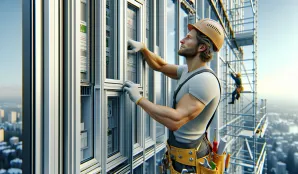
Facade fitter salary
Latest available salary statistics are for 2025. Compare average pay, salary range and related job listings.
34 900 - 40 600 SEK / month
Women earn 90% of what men do.
Bygg & anläggning
Related tools
Salary progression Facade fitter
What does a facade installer do? – Tasks and work environment
A facade installer is responsible for assembling, renovating, and maintaining building facades. Tasks include installing various types of facade materials such as plaster, brick, sheet metal, or panels. The work is often carried out outdoors, year-round, and at high elevations, requiring good physical condition and safety awareness. Facade installers work both in new construction and renovations or refurbishments, often collaborating with other trades within the construction sector. The work environment can be weather-exposed and demands the use of protective equipment and adherence to safety routines.
Salary development over time
The salary for a facade installer has shown a clear increase in recent years. In 2022, the average salary was 32,900 SEK per month. In 2023, it increased to 36 400 SEK, which corresponds to a raise of about 7.9%. The latest data for 2024 shows that the average salary is now 38 800 SEK, an increase of another 2.5% from the previous year. This salary trend reflects continued high demand for skilled craftsmen in the construction industry, with employers needing to offer competitive wages to attract and retain staff. The upward trend is stable and can also be linked to extensive construction and renovation projects in both cities and smaller towns.
Facade installer salary – comprehensive overview
- Average salary: 38 800 SEK/month
- Lowest salary: 35,200 SEK/month
- Highest salary: 38,900 SEK/month
- Hourly wage (average): 219 SEK
- Women's salary: 35,200 SEK/month (90% of men's salary)
- Men's salary: 39 000 SEK/month
- Regional differences: Highest salaries are found within the regional sector
Education and qualifications
To work as a facade installer, a high school diploma in construction and civil engineering is usually required, preferably with specialization in house construction. Practical experience is highly valued, and many employers prefer candidates who have completed an apprenticeship or internship during their studies. Some tasks may require specific certificates, for example, for working at heights or using scaffolding.
- High school education: Construction and civil engineering program, specialization in house building (3 years)
- Practical/training period: Usually at least 1 year during or after high school
- Certificates: Fall protection, scaffolding, hot work permits
- Prerequisites: Good physical condition, experience working at heights, safety consciousness
- Additional courses: Opportunities for specialization in plaster, stone, or sheet metal
Facade installers often see the results of their work quickly, making the profession particularly satisfying for those who like visible and tangible projects. Many also describe a strong sense of community at the workplace, where collaboration and trust are crucial for safety and quality.
Common benefits and compensations
Facade installers are often offered benefits such as workwear, tool allowances, wellness grants, and sometimes per diems when working in other locations. Many also have occupational pension schemes and insurance coverage through collective agreements. Compensation for inconvenient working hours and overtime is common, especially on projects with tight deadlines.
Competition and challenges
The competition for jobs as a facade installer is generally moderate but can vary depending on the region and economic situation. A high demand for renovations and new constructions drives the need for experienced installers, while flexibility and adaptability are also required. Challenges in the profession often involve working in tough weather conditions, at high elevations, and sometimes under time pressure. Safety regulations and work environment rules must be followed carefully, requiring constant attention and discipline. Technological innovations and new materials also mean that ongoing training is becoming increasingly important.
Tips for those who want to become a facade installer
To succeed as a facade installer, it is good to be precise and have an eye for detail, as the work requires accuracy and quality in every step. Good physical condition is important and facilitates heavy lifting and long outdoor workdays. Being cooperative and communicative contributes to a safe and efficient work environment, where everyone in the team can trust each other. Flexibility and problem-solving skills are appreciated, especially when unexpected challenges arise on the construction site. It is also important to be disciplined and follow safety routines, as the work often takes place at heights and involves advanced equipment. An interest in construction technology and materials is also advantageous, as the profession develops in line with new methods and innovations. Finally, responsibility and reliability are qualities highly valued by employers in the industry.
Key facts about facade installers
- Education level: High school diploma, construction and civil engineering program
- Work environment: Outdoors, often at high elevations and in varying weather conditions
- Work type: Full-time, often project-based
- Demand: High, with 379 job openings in the current profession
- Special skills: Fall protection, scaffolding, material knowledge
Career paths and future prospects
After three to five years as a facade installer, there are opportunities to advance to supervisory roles, such as team leader or site supervisor. Specialization in areas like plaster, stone, or energy-efficient facade systems can open doors to more qualified assignments. Some choose to start their own construction or consulting business. According to the Swedish Public Employment Service, the outlook remains good, with stable demand for both experienced and new facade installers. Technological development and increased requirements for energy efficiency mean that competence in modern facade systems and environmentally friendly materials is increasingly sought after.
Frequently asked questions about facade installers
- What is the average salary of a facade installer?
- A facade installer has an average monthly salary of 38 800 SEK. - How do salary differences between men and women look?
- Men earn on average 39 000 SEK and women 35,200 SEK, which means women earn 90% of men's salaries. - What education is required to become a facade installer?
- High school education in construction and civil engineering, often with practical training, is most common. Some tasks require specific certificates. - Are there regional salary differences?
- Yes, the highest salaries are found within the regional sector and can amount to 38,900 SEK per month. - What is the job market like for facade installers?
- Demand is high, with 379 job openings in the profession according to the latest data. - What are the most common tasks?
- Installation, maintenance, and renovation of facades on new and existing buildings. - What personal qualities are important?
- Attention to detail, responsibility, good physical condition, and teamwork skills are especially important qualities.

Salary distributed by age and sector
| Age | Base salary | Monthly salary | |
|---|---|---|---|
| 18-24 | 34100 kr | 34500 kr | |
| 25-34 | 39200 kr | 40100 kr | |
| 35-44 | 37700 kr | 38700 kr | |
| 45-54 | 39600 kr | 40600 kr | |
| 55-64 | 39000 kr | 39600 kr | |
| Snitt | 90% | 38000 kr | 38800 kr |
| Age | Base salary | Monthly salary | |
|---|---|---|---|
| Snitt | 34900 kr | 35200 kr |
| Age | Base salary | Monthly salary | |
|---|---|---|---|
| Snitt | 34900 kr | 35200 kr |
| Age | Base salary | Monthly salary | |
|---|---|---|---|
| 18-24 | 34100 kr | 34500 kr | |
| 25-34 | 39200 kr | 40100 kr | |
| 35-44 | 37700 kr | 38700 kr | |
| 45-54 | 39600 kr | 40600 kr | |
| 55-64 | 39000 kr | 39600 kr | |
| Snitt | 90% | 38000 kr | 38800 kr |
| Age | Base salary | Monthly salary | |
|---|---|---|---|
| 18-24 | 34100 kr | 34500 kr | |
| 25-34 | 39200 kr | 40100 kr | |
| 35-44 | 37700 kr | 38700 kr | |
| 45-54 | 39600 kr | 40600 kr | |
| 55-64 | 39000 kr | 39600 kr | |
| Snitt | 90% | 38000 kr | 38800 kr |
| Age | Base salary | Monthly salary | |
|---|---|---|---|
| 18-24 | 34400 kr | 34800 kr | |
| 25-34 | 39300 kr | 40200 kr | |
| 35-44 | 37700 kr | 38700 kr | |
| 45-54 | 39600 kr | 40600 kr | |
| 55-64 | 39000 kr | 39600 kr | |
| Snitt | 90% | 38200 kr | 39000 kr |
| Age | Base salary | Monthly salary | |
|---|---|---|---|
| 18-24 | 34400 kr | 34800 kr | |
| 25-34 | 39300 kr | 40200 kr | |
| 35-44 | 37700 kr | 38700 kr | |
| 45-54 | 39600 kr | 40600 kr | |
| 55-64 | 39000 kr | 39600 kr | |
| Snitt | 90% | 38200 kr | 39000 kr |
| Age | Base salary | Monthly salary | |
|---|---|---|---|
| 18-24 | 34400 kr | 34800 kr | |
| 25-34 | 39300 kr | 40200 kr | |
| 35-44 | 37700 kr | 38700 kr | |
| 45-54 | 39600 kr | 40600 kr | |
| 55-64 | 39000 kr | 39600 kr | |
| Snitt | 90% | 38200 kr | 39000 kr |
| Age | Base salary | Monthly salary | |
|---|---|---|---|
| Snitt | 90% | 33900 kr | 34900 kr |
| Age | Base salary | Monthly salary | |
|---|---|---|---|
| Snitt | 90% | 33900 kr | 34900 kr |
| Age | Base salary | Monthly salary | |
|---|---|---|---|
| Snitt | 90% | 33900 kr | 34900 kr |

About the data
All information displayed on this page is based on data from the Swedish Central Bureau of Statistics (SCB), the Swedish Tax Agency and the Swedish employment agency. Learn more about our data and data sources here.
All figures are gross salaries, meaning salaries before tax. The average salary, or mean salary, is calculated by adding up the total salary for all individuals within the profession and dividing it by the number of individuals. For specific job categories, we have also considered various criteria such as experience and education.
Profession Facade fitter has the SSYK code 7119, which we use to match against the SCB database to obtain the latest salary statistics.
-

Demolition Workers Needed for Long-Term Project in Boden – Start September 2026
Other construction and civil engineering workers
Mon, 13 Jul 2026 - 21:58 -

Demolition Technician at Coor (Weekly Commuting)
Other construction and civil engineering workers
Fri, 10 Jul 2026 - 21:12 -

Experienced Demolition Worker for Bathroom Renovation
Other construction and civil engineering workers
Fri, 10 Jul 2026 - 07:35 -

Demolition Worker Wanted at YA Group
Other construction and civil engineering workers
Wed, 8 Jul 2026 - 01:13 -
Caretaker / Building Maintenance Worker at Nämndemansgården in Blentarp
Other construction and civil engineering workers
Sun, 5 Jul 2026 - 20:37
Compare salary, work tasks and job outlook in adjacent occupations to find roles with similar skills or pay levels.
-

Average salary: 50 800 SEK/month • Bygg & anläggning
Engineers and technicians in construction and engineering
Compare with Facade fitter
Tue, 14 Jul 2026 - 17:12 -

Average salary: 46 800 SEK/month • Bygg & anläggning
Well drillers etc.
Compare with Facade fitter
Tue, 14 Jul 2026 - 10:28 -

Average salary: 54 900 SEK/month • Bygg & anläggning
Civil engineering professions in construction and engineering
Compare with Facade fitter
Tue, 14 Jul 2026 - 10:53 -

Process engineer (construction), university engineer salary
Average salary: 50 800 SEK/month • Bygg & anläggning
Engineers and technicians in construction and engineering
Compare with Facade fitter
Tue, 14 Jul 2026 - 11:57 -

Average salary: 37 132 SEK/month • Bygg & anläggning
Construction and ventilation sheet metal workers
Compare with Facade fitter
Tue, 14 Jul 2026 - 10:08 -

Average salary: 45 800 SEK/month • Bygg & anläggning
Miners and quarry workers
Compare with Facade fitter
Tue, 14 Jul 2026 - 15:35


