- Salary statistics
- Distributor, spring water salary
Distributor, spring water salary
Latest available salary statistics are for 2025. Compare average pay, salary range and related job listings.
23 100 - 46 900 SEK / month
Women earn 97% of what men do.
Transport
Related tools
Salary progression Distributor, spring water
What does a distributor within bottled water do? – Tasks and work environment
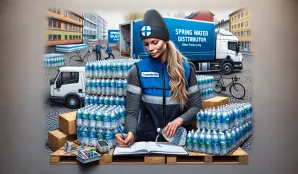
A distributor within bottled water is responsible for delivering bottled water and other water products to companies, stores, and private individuals. Tasks include loading and unloading water containers, planning delivery routes, and direct customer contact during deliveries. The job often involves physical work, requiring lifting and handling heavy bottles or drums. The work is mainly carried out outdoors on roads in service vehicles, which demands punctuality, accuracy, and good local knowledge. Distributors work both independently and in collaboration with colleagues and logistics staff, often under time pressure to meet customer needs.
Wage development over time
The salary for a distributor within bottled water has shown a downward trend over the past three years. In 2022, the average salary was 29,900 SEK per month, which decreased to 28 200 SEK in 2023 and further to 29 600 SEK in 2024. The total decrease corresponds to a wage reduction of approximately 5.7% over the period. The decline can be linked to a general surplus of labor within the profession and unchanged demand according to the Employment Service's forecast. Although the profession still offers several positions, competition for jobs has increased, negatively impacting wage development. This trend may also be due to more people entering the profession because of its low formal requirements, which further pressures wages.
Distributor, bottled water salary – complete overview
- Average salary: 29 600 SEK/month
- Lowest salary: 23,600 SEK/month (male, private sector, less than 9 years of education)
- Highest salary: 36,300 SEK/month (male, public sector, less than 9 years of education)
- Hourly wage: 169 SEK
- Women's average salary: 28 900 SEK (97% of men's salary)
- Men's average salary: 29 700 SEK
- Regional differences: No significant difference reported
Education and qualifications
To work as a distributor within bottled water, no extensive formal education is usually required, but certain basic requirements and qualifications must be met. A driver's license for passenger cars (B-category) is mandatory, and some employers may also require experience in distribution work or similar service roles. Introductory training and internal onboarding are common, especially for handling specific vehicles or safety routines. Physical ability and good customer service skills are important qualities.
- Requirement for B-driving license: Necessary for all positions
- Introduction/Internal training: Common among employers
- Less than high school education suffices: The lowest wages are found among those with shorter education
- No industry-specific certification: Usually not required
- Physical ability: Necessary for heavy lifting and handling
Many distributors within bottled water have the opportunity to get to know large parts of their region thanks to varied delivery routes. The profession suits those who enjoy diverse workdays and appreciate working independently outdoors on roads. Daily customer contact also helps build long-term relationships with both companies and private individuals.
Common benefits and compensations
Distributors within bottled water are often offered benefits such as per diem allowances for longer deliveries, wellness contributions, and sometimes access to company phones or work clothing. Some employers also offer bonuses for achieving delivery targets and the possibility of overtime pay. Occupational pension and insurance are usually included in employment terms.
Competition and challenges
The labor market for distributors within bottled water is characterized by high competition and a certain surplus of labor. According to the Employment Service's forecast, employment opportunities are limited, and demand is expected to remain unchanged over the next five years. This is partly because the profession does not require higher education, attracting many applicants. Automation, more efficient logistics systems, and increased digitalization may also affect the number of available positions. At the same time, physical strain and occasional high work tempo are challenging for many. Those who want to stand out should therefore focus on good service skills and flexibility.
Tips for those who want to become a distributor within bottled water
To succeed as a distributor within bottled water, it is good to combine reliability with the ability to work independently. Accuracy is an important trait, especially when planning routes and handling deliveries to ensure they reach the right recipients on time. A friendly attitude towards customers facilitates cooperation and makes deliveries smoother. Physical endurance is needed to handle the heavy lifting involved in the job, and flexibility is crucial for managing changing schedules or unexpected situations on the road. Staying updated on safety regulations and vehicle maintenance is also advantageous, as is showing initiative when problems arise. Finally, always prioritize road safety and follow your employer's guidelines.
Key facts about distributor, bottled water
- Educational requirements: Less than high school education and B-driver's license
- Work environment: Independent and physically demanding work outdoors on roads
- Demand: Limited job opportunities, surplus of labor
- Gender wage gap: Women earn on average more than men
- Job openings (2024): 412 advertised positions within the profession
Career paths and future prospects
After a few years in the profession, there are opportunities to advance to supervisory roles, such as distribution manager or transport coordinator. Some choose to further their education in logistics or warehouse management, broadening career opportunities. According to the Employment Service's forecast, however, the job market for distributors within bottled water is stable but with limited chances for new employment over the next five years. The surplus of labor means competition for jobs remains high. Those who focus on developing skills in service, logistics, or vehicle technology can create better chances for career advancement.
Frequently asked questions about distributor, bottled water
- What does a distributor within bottled water earn?
- The average salary is 29 600 SEK/month, with variation between 23,600 SEK and 36,300 SEK depending on experience, gender, and sector. - Is training required to become a distributor within bottled water?
- No extensive training is necessary, but B-driver's license is mandatory. - What is the work environment like?
- The work is physically demanding and mainly outdoors on roads, often with significant customer contact. - Are there wage differences between men and women?
- Yes, women earn on average 97% of what men do in the profession. - What are the future prospects?
- The Job Agency assesses the employment opportunities as limited, with demand expected to remain unchanged over the next five years. - What personal qualities are important?
- Reliability, physical endurance, and good service skills are especially important in the profession. - What benefits are usually offered?
- Common benefits include per diem allowances, wellness contributions, occupational pension, and sometimes bonuses for meeting targets.

Salary distributed by age and sector
| Age | Base salary | Monthly salary | |
|---|---|---|---|
| 18-24 | 105% | 27300 kr | 28000 kr |
| 25-34 | 103% | 28200 kr | 29100 kr |
| 35-44 | 103% | 28000 kr | 28800 kr |
| 45-54 | 31100 kr | 31800 kr | |
| 55-64 | 30900 kr | 31900 kr | |
| 65-68 | 27400 kr | 0 kr | |
| Snitt | 97% | 28800 kr | 29600 kr |
| Age | Base salary | Monthly salary | |
|---|---|---|---|
| 18-24 | 94% | 26900 kr | 28200 kr |
| 25-34 | 98% | 30000 kr | 31700 kr |
| 35-44 | 96% | 31500 kr | 32700 kr |
| 45-54 | 96% | 31900 kr | 33200 kr |
| 55-64 | 97% | 32100 kr | 32900 kr |
| 65-68 | 95% | 30900 kr | 31800 kr |
| Snitt | 96% | 31300 kr | 32400 kr |
| Age | Base salary | Monthly salary | |
|---|---|---|---|
| 25-34 | 93% | 33800 kr | 44500 kr |
| 35-44 | 35300 kr | 40200 kr | |
| 45-54 | 36200 kr | 41700 kr | |
| 55-64 | 36100 kr | 37500 kr | |
| 65-68 | 38600 kr | 40800 kr | |
| Snitt | 97% | 35700 kr | 41000 kr |
| Age | Base salary | Monthly salary | |
|---|---|---|---|
| 18-24 | 94% | 28000 kr | 29100 kr |
| 25-34 | 97% | 30500 kr | 31700 kr |
| 35-44 | 95% | 31700 kr | 32800 kr |
| 45-54 | 97% | 31900 kr | 33000 kr |
| 55-64 | 97% | 32000 kr | 32900 kr |
| 65-68 | 95% | 30700 kr | 31600 kr |
| Snitt | 96% | 31500 kr | 32600 kr |
| Age | Base salary | Monthly salary | |
|---|---|---|---|
| 18-24 | 98% | 25600 kr | 26700 kr |
| 25-34 | 95% | 28300 kr | 29200 kr |
| 35-44 | 95% | 30300 kr | 31200 kr |
| 45-54 | 100% | 30800 kr | 31200 kr |
| 55-64 | 98% | 31300 kr | 31900 kr |
| 65-68 | 31000 kr | 31400 kr | |
| Snitt | 96% | 29600 kr | 30400 kr |
| Age | Base salary | Monthly salary | |
|---|---|---|---|
| 18-24 | 106% | 27300 kr | 27900 kr |
| 25-34 | 104% | 28000 kr | 28900 kr |
| 35-44 | 104% | 27400 kr | 28200 kr |
| 45-54 | 30900 kr | 31500 kr | |
| 55-64 | 30300 kr | 31300 kr | |
| Snitt | 97% | 28400 kr | 29100 kr |
| Age | Base salary | Monthly salary | |
|---|---|---|---|
| 18-24 | 106% | 27300 kr | 27900 kr |
| 25-34 | 104% | 28000 kr | 28900 kr |
| 35-44 | 104% | 27400 kr | 28200 kr |
| 45-54 | 30900 kr | 31500 kr | |
| 55-64 | 30300 kr | 31300 kr | |
| Snitt | 97% | 28400 kr | 29100 kr |
| Age | Base salary | Monthly salary | |
|---|---|---|---|
| 18-24 | 105% | 27100 kr | 27800 kr |
| 25-34 | 103% | 28000 kr | 29000 kr |
| 35-44 | 103% | 27800 kr | 28700 kr |
| 45-54 | 31000 kr | 31800 kr | |
| 55-64 | 30900 kr | 31900 kr | |
| 65-68 | 29000 kr | 29300 kr | |
| Snitt | 97% | 28900 kr | 29700 kr |
| Age | Base salary | Monthly salary | |
|---|---|---|---|
| 18-24 | 94% | 27000 kr | 28500 kr |
| 25-34 | 98% | 30100 kr | 31700 kr |
| 35-44 | 96% | 31600 kr | 32900 kr |
| 45-54 | 96% | 32100 kr | 33400 kr |
| 55-64 | 97% | 32200 kr | 33100 kr |
| 65-68 | 95% | 31000 kr | 31900 kr |
| Snitt | 96% | 31400 kr | 32600 kr |
| Age | Base salary | Monthly salary | |
|---|---|---|---|
| 25-34 | 93% | 33700 kr | 45500 kr |
| 35-44 | 35100 kr | 40900 kr | |
| 45-54 | 36500 kr | 42100 kr | |
| 55-64 | 36100 kr | 37500 kr | |
| 65-68 | 38600 kr | 40800 kr | |
| Snitt | 97% | 35900 kr | 41200 kr |
| Age | Base salary | Monthly salary | |
|---|---|---|---|
| 18-24 | 94% | 28200 kr | 29400 kr |
| 25-34 | 97% | 30500 kr | 31900 kr |
| 35-44 | 95% | 31900 kr | 33200 kr |
| 45-54 | 97% | 32000 kr | 33200 kr |
| 55-64 | 97% | 32100 kr | 33100 kr |
| 65-68 | 95% | 30800 kr | 31800 kr |
| Snitt | 96% | 31700 kr | 32800 kr |
| Age | Base salary | Monthly salary | |
|---|---|---|---|
| 18-24 | 98% | 25600 kr | 26800 kr |
| 25-34 | 95% | 28400 kr | 29400 kr |
| 35-44 | 95% | 30400 kr | 31400 kr |
| 45-54 | 100% | 30900 kr | 31200 kr |
| 55-64 | 98% | 31300 kr | 32000 kr |
| 65-68 | 30900 kr | 31500 kr | |
| Snitt | 96% | 29700 kr | 30600 kr |
| Age | Base salary | Monthly salary | |
|---|---|---|---|
| 18-24 | 106% | 27100 kr | 27800 kr |
| 25-34 | 104% | 27800 kr | 28800 kr |
| 35-44 | 104% | 27100 kr | 28000 kr |
| 45-54 | 30800 kr | 31400 kr | |
| 55-64 | 30300 kr | 31300 kr | |
| Snitt | 97% | 28400 kr | 29200 kr |
| Age | Base salary | Monthly salary | |
|---|---|---|---|
| 18-24 | 106% | 27100 kr | 27800 kr |
| 25-34 | 104% | 27800 kr | 28800 kr |
| 35-44 | 104% | 27100 kr | 28000 kr |
| 45-54 | 30800 kr | 31400 kr | |
| 55-64 | 30300 kr | 31300 kr | |
| Snitt | 97% | 28400 kr | 29200 kr |
| Age | Base salary | Monthly salary | |
|---|---|---|---|
| 18-24 | 105% | 28800 kr | 29200 kr |
| 25-34 | 103% | 29100 kr | 29900 kr |
| 35-44 | 103% | 29100 kr | 29400 kr |
| Snitt | 97% | 28300 kr | 28900 kr |
| Age | Base salary | Monthly salary | |
|---|---|---|---|
| 18-24 | 94% | 26200 kr | 27000 kr |
| 25-34 | 98% | 30000 kr | 31300 kr |
| 35-44 | 96% | 30900 kr | 31500 kr |
| 45-54 | 96% | 31000 kr | 31900 kr |
| 55-64 | 97% | 31400 kr | 31900 kr |
| 65-68 | 95% | 30000 kr | 30300 kr |
| Snitt | 96% | 30500 kr | 31300 kr |
| Age | Base salary | Monthly salary | |
|---|---|---|---|
| 25-34 | 93% | 33900 kr | 42500 kr |
| Snitt | 97% | 34300 kr | 39800 kr |
| Age | Base salary | Monthly salary | |
|---|---|---|---|
| 18-24 | 94% | 27100 kr | 27700 kr |
| 25-34 | 97% | 30300 kr | 30900 kr |
| 35-44 | 95% | 31000 kr | 31600 kr |
| 45-54 | 97% | 31100 kr | 32000 kr |
| 55-64 | 97% | 31500 kr | 32000 kr |
| 65-68 | 95% | 29800 kr | 30200 kr |
| Snitt | 96% | 30800 kr | 31500 kr |
| Age | Base salary | Monthly salary | |
|---|---|---|---|
| 18-24 | 98% | 25200 kr | 26200 kr |
| 25-34 | 95% | 27700 kr | 28100 kr |
| 35-44 | 95% | 29300 kr | 29700 kr |
| 45-54 | 100% | 30600 kr | 31100 kr |
| 55-64 | 98% | 30800 kr | 31400 kr |
| Snitt | 96% | 29000 kr | 29500 kr |
| Age | Base salary | Monthly salary | |
|---|---|---|---|
| 18-24 | 106% | 29000 kr | 29400 kr |
| 25-34 | 104% | 29000 kr | 29800 kr |
| 35-44 | 104% | 28700 kr | 29000 kr |
| Snitt | 97% | 27800 kr | 28300 kr |
| Age | Base salary | Monthly salary | |
|---|---|---|---|
| 18-24 | 106% | 29000 kr | 29400 kr |
| 25-34 | 104% | 29000 kr | 29800 kr |
| 35-44 | 104% | 28700 kr | 29000 kr |
| Snitt | 97% | 27800 kr | 28300 kr |

About the data
All information displayed on this page is based on data from the Swedish Central Bureau of Statistics (SCB), the Swedish Tax Agency and the Swedish employment agency. Learn more about our data and data sources here.
All figures are gross salaries, meaning salaries before tax. The average salary, or mean salary, is calculated by adding up the total salary for all individuals within the profession and dividing it by the number of individuals. For specific job categories, we have also considered various criteria such as experience and education.
Profession Distributor, spring water has the SSYK code 8329, which we use to match against the SCB database to obtain the latest salary statistics.
-

Delivery Driver Wanted in Stockholm – Immediate Start
Other car, motorcycle and bicycle drivers
Mon, 13 Jul 2026 - 21:59 -

Delivery Driver for Solle AB in Stockholm
Other car, motorcycle and bicycle drivers
Mon, 13 Jul 2026 - 21:02 -
Driver for Vikbolands Taxi in Mönsterås – Food and Mail Deliveries
Other car, motorcycle and bicycle drivers
Mon, 13 Jul 2026 - 21:02 -

Van Driver Needed for Long-Term Assignment in Gothenburg
Other car, motorcycle and bicycle drivers
Mon, 13 Jul 2026 - 20:49 -

Part-Time Foodora Courier Job – Flexible Hours & 180 SEK/Hour
Other car, motorcycle and bicycle drivers
Mon, 13 Jul 2026 - 06:22
Compare salary, work tasks and job outlook in adjacent occupations to find roles with similar skills or pay levels.
-

Average salary: 34 800 SEK/month • Transport
Warehouse and terminal staff
Compare with Distributor, spring water
Tue, 14 Jul 2026 - 18:36 -

Average salary: 34 600 SEK/month • Transport
Cabin crew etc.
Compare with Distributor, spring water
Tue, 14 Jul 2026 - 16:45 -

Average salary: 34 600 SEK/month • Transport
Truck drivers etc.
Compare with Distributor, spring water
Tue, 14 Jul 2026 - 16:19 -

Average salary: 34 600 SEK/month • Transport
Cabin crew etc.
Compare with Distributor, spring water
Tue, 14 Jul 2026 - 18:47 -

Average salary: 37 200 SEK/month • Transport
Forklift drivers
Compare with Distributor, spring water
Tue, 14 Jul 2026 - 17:50 -

Average salary: 51 700 SEK/month • Transport
Engine officers
Compare with Distributor, spring water
Tue, 14 Jul 2026 - 20:54


