- Salary statistics
- Assistant salary
Assistant salary
Latest available salary statistics are for 2025. Compare average pay, salary range and related job listings.
26 000 - 32 000 SEK / month
Naturbruk
Related tools
Salary progression Assistant
What does a Biskötare do? – Tasks and work environment
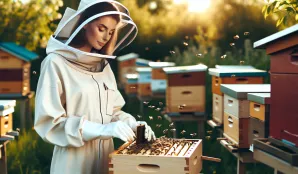
A Biskötare is responsible for the care of beehives and apiaries, with tasks ranging from supervision and feeding of bees to honey harvesting, health checks of colonies, and disease management. The profession often involves physical outdoor work and requires precision and patience, especially during the busy spring and summer periods when colonies are most active. The work environment can vary from small-scale rural apiaries to larger commercial operations, and it is common to work both independently and in small teams. Since bees are sensitive to weather and environmental factors, a good understanding of natural cycles and ecological relationships is essential.
Salary development over time
The salary for a Biskötare has shown some variation over the past three years. In 2022, the average salary was 25,000 SEK per month, followed by an increase to 26 300 SEK in 2023. In 2024, the average salary has decreased to 30 000 SEK, representing a reduction of approximately 5.4% compared to the previous year. This trend can partly be explained by changes in demand for beekeeping products and variations in production levels. The market for honey and bee products is influenced by both national and international factors, causing salary levels to fluctuate annually. Despite these fluctuations, there remains a steady demand for skilled Biskötare, especially given the need for pollination in agriculture.
Biskötare salary – comprehensive overview
- Average salary: 30 000 SEK/month
- Lowest salary: 25,100 SEK/month (female, high school education)
- Highest salary: 28,000 SEK/month (female, post-secondary education)
- Hourly wage: 158 SEK
- Gender differences: Women: 30 000 SEK, men: 27,500 SEK (highest), 25,400 SEK (lowest)
- Regional differences: Data varies, but rural areas tend to offer more seasonal positions
Education and qualifications
Becoming a Biskötare usually does not require a formal university degree, but the industry values relevant high school education in agriculture or natural resource management. Many opt to supplement with shorter courses in beekeeping, often organized by beekeeping associations or folk high schools. Practical experience is highly important and is typically gained through internships, traineeships, or volunteer work with established beekeepers. A combination of theoretical knowledge and practical skills is essential for success in the profession.
- High school education: Natural resource management or agriculture, 3 years
- Short courses and certificates: Beekeeping, 1–6 months
- Internships: Strongly recommended with established beekeepers
- Prerequisites: No formal requirements, but interest in biology and nature is an advantage
- Self-study: Possible via online courses and literature
It is common for Biskötare to develop a special sensitivity for their colonies over time, where small changes in bee behavior can be quickly detected and addressed. This closeness to the bees makes the profession unique and fosters a strong sense of responsibility for the ecosystem.
Common benefits and compensations
Biskötare are often offered seasonal employment with the possibility of overtime pay during busy periods. Other common benefits include access to work clothing, some reimbursement for travel to the workplace, and sometimes staff discounts on honey and other bee products. In smaller operations, benefits may also include access to personal honey harvests or opportunities for further training in beekeeping.
Competition and challenges
Competition within the beekeeping profession is moderate, but the availability of permanent positions is limited as many jobs are seasonal. One of the biggest challenges is staying updated on diseases that can affect colonies and managing climate change impacts on pollination and honey production. The market for honey is also sensitive to price pressures from imported products. For those seeking full-time work, it is often necessary to combine beekeeping with other agricultural tasks or run their own business. Despite these challenges, there remains a stable need for knowledgeable Biskötare, especially in rural areas where pollination is crucial for agriculture.
Tips for aspiring Biskötare
To succeed as a Biskötare, it is beneficial to have a genuine interest in nature and animals, along with a good eye for detail. Developing patience is crucial, as the work requires careful observation of bee behavior and long-term planning for colony development. Practical experience, such as internships or volunteer work, provides valuable insights into everyday work. Being flexible during peak seasons and prepared for physical work in various weather conditions is also important. Curiosity and a willingness to learn about new methods and disease management can significantly impact production and colony health. Collaboration skills are valuable when working in teams or with other beekeepers, and accuracy facilitates handling both bees and equipment. Finally, maintaining a positive attitude helps manage the challenges that may arise in daily work.
Key facts about Biskötare
- Education level: High school diploma in natural resource management or agriculture
- Work environment: Outdoor-based, often independent work
- Typical employment: Seasonal employment or self-employment
- Demand: 360 job openings within the profession
- Special skills: Beekeeping, disease management, ecological understanding
Career paths and future prospects
After three to five years as a Biskötare, there are opportunities to take on greater responsibility within beekeeping operations, such as team leader or advisor roles. Some choose to start their own business and develop products like honey, beeswax, or propolis. Increased awareness of the importance of pollination in agriculture has led to steady demand for the profession, confirmed by the 360 job openings identified in official labor market statistics. The outlook suggests that the need for Biskötare will remain stable, especially as sustainability issues gain more attention and the role of pollination in food production is emphasized. Opportunities for further education in agronomy or specialization in disease control are available for those wishing to advance further in the field.
Frequently asked questions about Biskötare
- What does a Biskötare earn?
- The average salary for a Biskötare is 30 000 SEK per month, with an hourly wage of 158 SEK. - What education is required to become a Biskötare?
- Usually, high school education in natural resource management or agriculture, along with courses in beekeeping. - Are there salary differences between men and women?
- Yes, women have an average salary of 30 000 SEK. The highest salary for women is 28,000 SEK and for men 27,500 SEK. - What are the future prospects for Biskötare?
- Demand remains stable with 360 job openings, especially in rural areas. - What tasks does a Biskötare perform?
- Tasks include supervising beehives, honey harvesting, disease management, and maintaining colonies. - Are there opportunities for further education?
- Yes, courses and further training in beekeeping and agronomy are available for those who want to develop further.

Salary distributed by age and sector
| Age | Base salary | Monthly salary | |
|---|---|---|---|
| 18-24 | 23300 kr | 27500 kr | |
| 25-34 | 29600 kr | 30700 kr | |
| Snitt | 28500 kr | 30000 kr |
| Age | Base salary | Monthly salary | |
|---|---|---|---|
| 18-24 | 103% | 25200 kr | 26000 kr |
| 25-34 | 108% | 26700 kr | 27700 kr |
| 35-44 | 27300 kr | 27600 kr | |
| 45-54 | 29000 kr | 29600 kr | |
| 55-64 | 99% | 27200 kr | 28400 kr |
| Snitt | 103% | 26900 kr | 27700 kr |
| Age | Base salary | Monthly salary | |
|---|---|---|---|
| 18-24 | 103% | 25200 kr | 26000 kr |
| 25-34 | 108% | 26700 kr | 27700 kr |
| 35-44 | 27300 kr | 27600 kr | |
| 45-54 | 29000 kr | 29600 kr | |
| 55-64 | 99% | 27200 kr | 28400 kr |
| Snitt | 103% | 26900 kr | 27700 kr |
| Age | Base salary | Monthly salary | |
|---|---|---|---|
| 18-24 | 22900 kr | 27900 kr | |
| Snitt | 29000 kr | 30600 kr |
| Age | Base salary | Monthly salary | |
|---|---|---|---|
| 18-24 | 22900 kr | 27900 kr | |
| Snitt | 29000 kr | 30600 kr |
| Age | Base salary | Monthly salary | |
|---|---|---|---|
| 18-24 | 103% | 25300 kr | 25400 kr |
| 25-34 | 108% | 25300 kr | 25800 kr |
| 55-64 | 99% | 28200 kr | 28700 kr |
| Snitt | 103% | 26600 kr | 27000 kr |
| Age | Base salary | Monthly salary | |
|---|---|---|---|
| 18-24 | 103% | 25300 kr | 25400 kr |
| 25-34 | 108% | 25300 kr | 25800 kr |
| 55-64 | 99% | 28200 kr | 28700 kr |
| Snitt | 103% | 26600 kr | 27000 kr |
| Age | Base salary | Monthly salary | |
|---|---|---|---|
| 18-24 | 23200 kr | 27600 kr | |
| 25-34 | 29700 kr | 30800 kr | |
| Snitt | 29400 kr | 31000 kr |
| Age | Base salary | Monthly salary | |
|---|---|---|---|
| 18-24 | 103% | 25200 kr | 26100 kr |
| 25-34 | 108% | 26800 kr | 27800 kr |
| 35-44 | 27300 kr | 27500 kr | |
| 45-54 | 29100 kr | 29700 kr | |
| 55-64 | 99% | 27000 kr | 28400 kr |
| Snitt | 103% | 26900 kr | 27700 kr |
| Age | Base salary | Monthly salary | |
|---|---|---|---|
| 18-24 | 103% | 25200 kr | 26100 kr |
| 25-34 | 108% | 26800 kr | 27800 kr |
| 35-44 | 27300 kr | 27500 kr | |
| 45-54 | 29100 kr | 29700 kr | |
| 55-64 | 99% | 27000 kr | 28400 kr |
| Snitt | 103% | 26900 kr | 27700 kr |
| Age | Base salary | Monthly salary | |
|---|---|---|---|
| 18-24 | 22800 kr | 27900 kr | |
| Snitt | 30200 kr | 32000 kr |
| Age | Base salary | Monthly salary | |
|---|---|---|---|
| 18-24 | 22800 kr | 27900 kr | |
| Snitt | 30200 kr | 32000 kr |

About the data
All information displayed on this page is based on data from the Swedish Central Bureau of Statistics (SCB), the Swedish Tax Agency and the Swedish employment agency. Learn more about our data and data sources here.
All figures are gross salaries, meaning salaries before tax. The average salary, or mean salary, is calculated by adding up the total salary for all individuals within the profession and dividing it by the number of individuals. For specific job categories, we have also considered various criteria such as experience and education.
Profession Assistant has the SSYK code 6129, which we use to match against the SCB database to obtain the latest salary statistics.
-
Animal Care Assistant Wanted at Hags Gårdsveterinär in Avesta
Other animal breeders and animal caretakers
Mon, 13 Jul 2026 - 21:18 -
Job in Robotic Milking and Feeding
Other animal breeders and animal caretakers
Sat, 11 Jul 2026 - 20:32 -

Veterinary Care Assistant Needed in Stockholm – AnnSam AB
Other animal breeders and animal caretakers
Thu, 9 Jul 2026 - 21:18 -
Animal Caretaker for Newborns – Granepig AB
Other animal breeders and animal caretakers
Mon, 6 Jul 2026 - 21:37 -

Hiring Engaged Animal Care Assistant for Modern Small Animal Clinic in Trelleborg
Other animal breeders and animal caretakers
Sat, 4 Jul 2026 - 20:35
Compare salary, work tasks and job outlook in adjacent occupations to find roles with similar skills or pay levels.
-

Agricultural consultant salary
Average salary: 44 900 SEK/month • Naturbruk
Specialists and advisors in agriculture etc.
Compare with Assistant
Tue, 14 Jul 2026 - 17:13 -

Average salary: 29 400 SEK/month • Naturbruk
Breeders and caretakers of farm animals
Compare with Assistant
Tue, 14 Jul 2026 - 16:16 -

Average salary: 44 900 SEK/month • Naturbruk
Specialists and advisors in agriculture etc.
Compare with Assistant
Tue, 14 Jul 2026 - 13:55 -

Processor driver, forestry salary
Average salary: 33 500 SEK/month • Naturbruk
Operators of agricultural and forestry machinery
Compare with Assistant
Tue, 14 Jul 2026 - 17:55 -
Average salary: 30 200 SEK/month • Naturbruk
Horticulturists
Compare with Assistant
Tue, 14 Jul 2026 - 17:13 -

Fisheries management consultant salary
Average salary: 44 900 SEK/month • Naturbruk
Specialists and advisors in agriculture etc.
Compare with Assistant
Tue, 14 Jul 2026 - 10:05


