- Salary statistics
- Art teacher, primary school salary
Art teacher, primary school salary
Latest available salary statistics are for 2025. Compare average pay, salary range and related job listings.
27 500 - 44 700 SEK / month
Women earn 102% of what men do.
Pedagogiskt arbete
Related tools
Salary progression Art teacher, primary school
What does an art teacher in primary school do? – Tasks and work environment
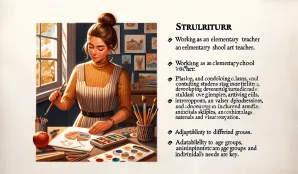
An art teacher in primary school is responsible for teaching students in grades F–9 in the subject of art. The job includes both practical and theoretical instruction, where students develop their creative abilities by working with various materials and techniques such as drawing, painting, digital images, sculpture, and photography. Planning lessons, assessing student work, and conducting individual development conversations are natural parts of the work. Art teachers often collaborate with other subject teachers and participate in the school's joint activities, contributing to a varied and stimulating work environment. In addition to teaching, art teachers may also be responsible for the school's aesthetic environment, such as exhibitions and decorative projects.
Salary development over time
The salary for art teachers in primary school has shown positive growth over the past three years. In 2022, the average salary was 37,700 kronor per month, which increased to 40 200 kronor in 2023. During 2024, the average salary has risen further to 41 600 kronor, representing a total increase of approximately 6.6% over the period. This salary increase reflects ongoing investment in the teaching profession, but also some competition for qualified teachers in aesthetic subjects. The demand has been relatively stable, although future forecasts indicate that the need for primary school teachers may decrease slightly in the long term. Salaries are also influenced by factors such as education level, experience, and geographical area, with urban regions often offering slightly higher wages than rural areas.
Art Teacher, primary school salary – comprehensive overview
- Average salary: 41 600 kr/month
- Lowest salary: 26,500 kr/month (female, private sector, upper secondary education)
- Highest salary: 42,900 kr/month (male, public sector, postgraduate education)
- Hourly wage: 242 kr
- Women: 41 800 kr/month
- Men: 41 100 kr/month
- Women earn: 102% of what men do
Education and qualifications
To work as an art teacher in primary school, a teaching degree with specialization in art and teacher certification are required. The education is provided at universities or colleges and includes subject studies in art, pedagogy, and practical training. Applicants should also have good knowledge of various artistic techniques and an interest in children's and young people's development. Further training and courses in digital media or special education can be advantageous.
- Teaching degree with art specialization: 4–5 years
- Teacher certification: Mandatory
- Practical training (VFU): Included in the program
- Qualification requirements: Basic and specific university eligibility
- Further education: Courses in digital art, special education, or artistic techniques
Many art teachers contribute to the school's culture by organizing exhibitions and collaborating with local artists. The creative environment provides opportunities to influence the school's aesthetic expression and inspire both students and colleagues.
Common benefits and compensations
Art teachers in primary schools often have collective agreements that include benefits such as occupational pension, wellness allowance, and holiday pay. Other common compensations can include professional development, work clothing, and opportunities for study days and further training. Some employers also offer perks such as subsidized lunches or staff support.
Competition and challenges
The job market for art teachers in primary schools is characterized by balance, with the number of trained teachers matching the demand. One of the main challenges is staying updated with new teaching methods and digital tools, as the art subject can sometimes have a limited share in school budgets and schedules. Competition for positions may be greater in certain regions, especially where student numbers are decreasing. Combining creative freedom with the school's curriculum and grading criteria also requires flexibility and good teamwork skills. Long-term forecasts indicate that the demand for primary school teachers, including art teachers, may decrease somewhat, which requires adaptability and willingness to continue professional development.
Tips for aspiring primary school art teachers
To succeed as an art teacher in primary school, it is beneficial to have genuine creativity and an interest in inspiring young people. Developing strong pedagogical skills is crucial, as teaching often involves adapting methods for different ages and needs. Gaining early experience working with children and youth, such as through internships or volunteer work, is recommended. Engagement and patience are valuable qualities, especially when students need extra support or motivation. Being attentive and communicative facilitates collaboration with students and colleagues. It is also advantageous to follow developments in digital media and contemporary art, as these areas are becoming increasingly important in teaching. Finally, an open attitude towards continuing education and new working methods supports a long and successful career.
Key facts about Art Teacher in primary school
- Education level: Teaching degree with art specialization, 4–5 years
- Work environment: School setting, often with own classroom and access to studio
- Typical employment: Full-time, permanent position
- Demand: Moderate, 434 available jobs nationwide
- Gender salary distribution: Women earn 102% of men's salary
Career paths and future prospects
After three to five years of experience as an art teacher in primary school, there are opportunities to take on expanded responsibilities, such as team leader, subject coordinator, or supervisor for student teachers. Some choose to further specialize in special education or school management to advance to roles like assistant principal or development leader. According to the Swedish Public Employment Service's forecast, the opportunities for employment for primary school teachers are medium-sized, but demand is expected to decrease slightly over five years. Despite this, the recruitment situation is considered balanced, meaning there is neither a shortage nor an oversupply of art teachers nationwide. The profession also offers opportunities for specialization in digital art, art education, or collaboration with cultural schools.
Frequently asked questions about Art Teacher in primary school
- What does an Art Teacher in primary school earn?
- The average salary for an art teacher in primary school is 41 600 kronor per month. - What are the salary differences between women and men?
- Women earn an average of 41 800 kronor, which is 102% of men's salary at 41 100 kronor. - What education is required to become an art teacher in primary school?
- A teaching degree with specialization in art and teacher certification is required, which takes 4–5 years. - What are the most common benefits for art teachers?
- Common benefits include occupational pension, wellness allowance, holiday pay, and professional development. - What is the job market like for art teachers?
- The job market is balanced with 434 available jobs, but demand is expected to decrease slightly over five years. - What are the highest and lowest salaries for art teachers?
- The highest salary is 42,900 kronor, and the lowest is 26,500 kronor per month. - Are there regional salary differences?
- Salary levels may vary between regions, with urban areas often offering slightly higher salaries than rural areas.

Salary distributed by age and sector
| Age | Base salary | Monthly salary | |
|---|---|---|---|
| 18-24 | 104% | 27300 kr | 27400 kr |
| 25-34 | 101% | 38500 kr | 38600 kr |
| 35-44 | 99% | 41600 kr | 41600 kr |
| 45-54 | 100% | 43900 kr | 43900 kr |
| 55-64 | 101% | 44100 kr | 44100 kr |
| 65-68 | 101% | 42600 kr | 42600 kr |
| Snitt | 102% | 41600 kr | 41600 kr |
| Age | Base salary | Monthly salary | |
|---|---|---|---|
| 18-24 | 107% | 27400 kr | 27500 kr |
| 25-34 | 102% | 38400 kr | 38400 kr |
| 35-44 | 100% | 41500 kr | 41500 kr |
| 45-54 | 101% | 44000 kr | 44000 kr |
| 55-64 | 102% | 44200 kr | 44300 kr |
| 65-68 | 102% | 43400 kr | 43400 kr |
| Snitt | 102% | 41700 kr | 41700 kr |
| Age | Base salary | Monthly salary | |
|---|---|---|---|
| 18-24 | 107% | 27400 kr | 27500 kr |
| 25-34 | 102% | 38400 kr | 38400 kr |
| 35-44 | 100% | 41500 kr | 41500 kr |
| 45-54 | 101% | 44000 kr | 44000 kr |
| 55-64 | 102% | 44200 kr | 44300 kr |
| 65-68 | 102% | 43400 kr | 43400 kr |
| Snitt | 102% | 41700 kr | 41700 kr |
| Age | Base salary | Monthly salary | |
|---|---|---|---|
| 18-24 | 95% | 27100 kr | 27100 kr |
| 25-34 | 99% | 39100 kr | 39100 kr |
| 35-44 | 98% | 42000 kr | 42100 kr |
| 45-54 | 99% | 43400 kr | 43500 kr |
| 55-64 | 97% | 43300 kr | 43500 kr |
| 65-68 | 38400 kr | 38400 kr | |
| Snitt | 98% | 41000 kr | 41100 kr |
| Age | Base salary | Monthly salary | |
|---|---|---|---|
| 18-24 | 95% | 27100 kr | 27100 kr |
| 25-34 | 99% | 39100 kr | 39100 kr |
| 35-44 | 98% | 42000 kr | 42100 kr |
| 45-54 | 99% | 43400 kr | 43500 kr |
| 55-64 | 97% | 43300 kr | 43500 kr |
| 65-68 | 38400 kr | 38400 kr | |
| Snitt | 98% | 41000 kr | 41100 kr |
| Age | Base salary | Monthly salary | |
|---|---|---|---|
| 18-24 | 104% | 26600 kr | 26600 kr |
| 25-34 | 101% | 38300 kr | 38300 kr |
| 35-44 | 99% | 41700 kr | 41800 kr |
| 45-54 | 100% | 43700 kr | 43800 kr |
| 55-64 | 101% | 43700 kr | 43700 kr |
| 65-68 | 101% | 42400 kr | 42500 kr |
| Snitt | 102% | 41100 kr | 41100 kr |
| Age | Base salary | Monthly salary | |
|---|---|---|---|
| 18-24 | 107% | 26200 kr | 26200 kr |
| 25-34 | 102% | 37900 kr | 37900 kr |
| 35-44 | 100% | 41400 kr | 41500 kr |
| 45-54 | 101% | 43800 kr | 43800 kr |
| 55-64 | 102% | 43600 kr | 43600 kr |
| 65-68 | 102% | 42700 kr | 42700 kr |
| Snitt | 102% | 41000 kr | 41000 kr |
| Age | Base salary | Monthly salary | |
|---|---|---|---|
| 18-24 | 107% | 26200 kr | 26200 kr |
| 25-34 | 102% | 37900 kr | 37900 kr |
| 35-44 | 100% | 41400 kr | 41500 kr |
| 45-54 | 101% | 43800 kr | 43800 kr |
| 55-64 | 102% | 43600 kr | 43600 kr |
| 65-68 | 102% | 42700 kr | 42700 kr |
| Snitt | 102% | 41000 kr | 41000 kr |
| Age | Base salary | Monthly salary | |
|---|---|---|---|
| 18-24 | 95% | 28100 kr | 28100 kr |
| 25-34 | 99% | 39300 kr | 39400 kr |
| 35-44 | 98% | 42500 kr | 42600 kr |
| 45-54 | 99% | 43700 kr | 43800 kr |
| 55-64 | 97% | 44200 kr | 44300 kr |
| Snitt | 98% | 41500 kr | 41500 kr |
| Age | Base salary | Monthly salary | |
|---|---|---|---|
| 18-24 | 95% | 28100 kr | 28100 kr |
| 25-34 | 99% | 39300 kr | 39400 kr |
| 35-44 | 98% | 42500 kr | 42600 kr |
| 45-54 | 99% | 43700 kr | 43800 kr |
| 55-64 | 97% | 44200 kr | 44300 kr |
| Snitt | 98% | 41500 kr | 41500 kr |
| Age | Base salary | Monthly salary | |
|---|---|---|---|
| 18-24 | 104% | 27700 kr | 27800 kr |
| 25-34 | 101% | 38600 kr | 38600 kr |
| 35-44 | 99% | 41500 kr | 41500 kr |
| 45-54 | 100% | 43900 kr | 43900 kr |
| 55-64 | 101% | 44300 kr | 44300 kr |
| 65-68 | 101% | 42700 kr | 42700 kr |
| Snitt | 102% | 41800 kr | 41800 kr |
| Age | Base salary | Monthly salary | |
|---|---|---|---|
| 18-24 | 107% | 28100 kr | 28100 kr |
| 25-34 | 102% | 38500 kr | 38500 kr |
| 35-44 | 100% | 41500 kr | 41500 kr |
| 45-54 | 101% | 44000 kr | 44000 kr |
| 55-64 | 102% | 44500 kr | 44500 kr |
| 65-68 | 102% | 43700 kr | 43700 kr |
| Snitt | 102% | 42000 kr | 42000 kr |
| Age | Base salary | Monthly salary | |
|---|---|---|---|
| 18-24 | 107% | 28100 kr | 28100 kr |
| 25-34 | 102% | 38500 kr | 38500 kr |
| 35-44 | 100% | 41500 kr | 41500 kr |
| 45-54 | 101% | 44000 kr | 44000 kr |
| 55-64 | 102% | 44500 kr | 44500 kr |
| 65-68 | 102% | 43700 kr | 43700 kr |
| Snitt | 102% | 42000 kr | 42000 kr |
| Age | Base salary | Monthly salary | |
|---|---|---|---|
| 18-24 | 95% | 26700 kr | 26700 kr |
| 25-34 | 99% | 38900 kr | 39000 kr |
| 35-44 | 98% | 41700 kr | 41800 kr |
| 45-54 | 99% | 43300 kr | 43400 kr |
| 55-64 | 97% | 43000 kr | 43200 kr |
| 65-68 | 38200 kr | 38200 kr | |
| Snitt | 98% | 40700 kr | 40800 kr |
| Age | Base salary | Monthly salary | |
|---|---|---|---|
| 18-24 | 95% | 26700 kr | 26700 kr |
| 25-34 | 99% | 38900 kr | 39000 kr |
| 35-44 | 98% | 41700 kr | 41800 kr |
| 45-54 | 99% | 43300 kr | 43400 kr |
| 55-64 | 97% | 43000 kr | 43200 kr |
| 65-68 | 38200 kr | 38200 kr | |
| Snitt | 98% | 40700 kr | 40800 kr |

About the data
All information displayed on this page is based on data from the Swedish Central Bureau of Statistics (SCB), the Swedish Tax Agency and the Swedish employment agency. Learn more about our data and data sources here.
All figures are gross salaries, meaning salaries before tax. The average salary, or mean salary, is calculated by adding up the total salary for all individuals within the profession and dividing it by the number of individuals. For specific job categories, we have also considered various criteria such as experience and education.
Profession Art teacher, primary school has the SSYK code 2341, which we use to match against the SCB database to obtain the latest salary statistics.
-

Teacher in Mathematics and Natural Sciences at Gärdsåsskolan
Primary school teachers
Tue, 14 Jul 2026 - 09:02 -
Teacher in Mathematics, Natural Sciences, and Technology at Rådmansvångens Skola
Primary school teachers
Tue, 14 Jul 2026 - 06:27 -

Teacher of Mother Tongue German in Lerum Municipality
Primary school teachers
Tue, 14 Jul 2026 - 06:24 -

Teacher Grades 4–6 in Persberg (100%) – Academic Year 2026–2027
Primary school teachers
Tue, 14 Jul 2026 - 06:22
Compare salary, work tasks and job outlook in adjacent occupations to find roles with similar skills or pay levels.
-

Teacher, aesthetic and practical subjects, high school salary
Average salary: 44 200 SEK/month • Pedagogiskt arbete
High school teachers
Compare with Art teacher, primary school
Tue, 14 Jul 2026 - 11:01 -

Teacher in the music and culture school salary
Average salary: 36 800 SEK/month • Pedagogiskt arbete
Other educators with theoretical specialist competence
Compare with Art teacher, primary school
Tue, 14 Jul 2026 - 13:10 -
Average salary: 36 800 SEK/month • Pedagogiskt arbete
Other educators with theoretical specialist competence
Compare with Art teacher, primary school
Tue, 14 Jul 2026 - 07:12 -

Teacher, special school salary
Average salary: 47 600 SEK/month • Pedagogiskt arbete
Special education teachers and special educators etc.
Compare with Art teacher, primary school
Tue, 14 Jul 2026 - 13:07 -
IT educator, study circle / course salary
Average salary: 40 600 SEK/month • Pedagogiskt arbete
Other trainers and instructors
Compare with Art teacher, primary school
Tue, 14 Jul 2026 - 08:19 -

Average salary: 47 600 SEK/month • Pedagogiskt arbete
Special education teachers and special educators etc.
Compare with Art teacher, primary school
Tue, 14 Jul 2026 - 12:09


