News and articles
- Home
- Articles

Latest posts
A Tannery Master works with refining raw animal hides into usable leather through various chemical and mechanical processes. Tasks include sorting and cleaning hides, preparation, tanning, and finishing leather products. The process requires great precision and a deep understanding of material properties. The work environment is usually workshop-based, involving machinery, chemicals, and manual tools. The profession often involves working in small teams or as an independent entrepreneur, with workplaces ranging from traditional tanneries to more modern leather workshops.
Read more ->
A Tannery Worker works with refining raw animal hides into finished leather, a craft that requires both technical knowledge and a feel for the material. Tasks include the entire process from receiving and sorting hides, through chemical and mechanical treatments, to processing and completing leather products. The work is often carried out in small workshops or specialized leather factories, involving both manual and machine-based steps. The environment can be humid and contain strong chemical odors, demanding precision and adherence to safety routines. Tannery Workers regularly collaborate with other craftsmen, such as shoemakers and saddlers, to deliver materials for further processing.
Read more ->-
Opinion Poll Status Novus: Unchanged Support – Social Democrats Largest
Wed, 19 Nov 2025 - 08:35 -
The National Debt – Level, Development, and Significance for Sweden
Wed, 8 Oct 2025 - 08:00
A curtain seamstress in a studio primarily works with sewing and customizing curtains and other textile interior details according to customer preferences. The work involves everything from taking measurements and selecting materials to executing advanced sewing techniques and installing finished products. Often, the work takes place in a specialized studio environment where precision and attention to detail are crucial. Contact with clients and collaborations with interior designers or shops are common, making service skills and the ability to work independently important qualities. The work environment is characterized by both creativity and precision, with each project varying depending on the scope and customer requirements.
Read more ->
A hairdressing apprentice primarily works by assisting trained hairdressers in a salon environment. Common tasks include washing hair, blow-drying, preparing workstations, receiving clients, and performing simple hair treatments under supervision. The role often involves supporting more advanced treatments and keeping the salon clean and organized. The work environment is characterized by a fast pace, high customer contact, and demands for excellent service skills. Many apprentices work in salons in urban areas, but positions are also available in rural areas and within larger chains.
Read more ->
A hairdresser works with cutting, coloring, perming, and styling hair for women, men, and children. The profession also includes advising on hair care, selling hair care products, and sometimes performing simple beauty treatments such as eyebrow and eyelash tinting. The work environment is often characterized by close customer contact, varied tasks, and a social climate where both craftsmanship and service attitude are crucial. Hairdressers mainly work in salons, but assignments can also occur at fashion shows, in film, or at private events.
Read more ->
A freelance photographer works independently, performing photography assignments for various clients, often within media, advertising, portraits, weddings, and events. Tasks include planning, shooting, post-processing, and delivering finished images. Customer contact, marketing, and administration are also often part of daily work. The work environment varies and can include studio settings, outdoor locations, and clients' premises. Flexibility and adaptability to different working conditions are essential qualities for the profession.
Read more ->
A Photographer works with creating, editing, and refining images through various digital and analog techniques. Their tasks may include photography, image editing, color correction, and producing visual material for print, web, or other media. They often collaborate closely with art directors, graphic designers, and clients to ensure the visual material meets specific aesthetic and technical requirements. The work environment can range from photo studios and advertising agencies to freelance assignments and larger media outlets, where flexibility and technical skills are essential to meet tight deadlines and shifting projects.
Read more ->
A photography assistant works closely with professional photographers and is an important part of the creative team during photoshoots in studios, outdoors, or on assignments for advertising agencies, magazines, and companies. Tasks vary and can include setting up and adjusting lighting, preparing and handling equipment, assisting with image composition and retouching, organizing logistics, and coordinating models or props. The work often takes place in environments where flexibility and precision are crucial, and the pace can be high, especially during larger productions or tight deadlines. Photography assistants are also expected to quickly solve technical problems and contribute to a smooth workflow.
Read more ->
Photographers work on creating images used in a variety of contexts, such as advertising, magazines, books, websites, and social media. Tasks include planning photoshoots, selecting equipment, lighting, composition, and post-processing in digital tools. Many photographers specialize in areas such as portrait, fashion, product, or press photography. The work can be performed both in studios and on location at clients’ sites or event venues. The work environment varies greatly and includes both sedentary editing work and physically demanding assignments involving travel and equipment transport.
Read more ->
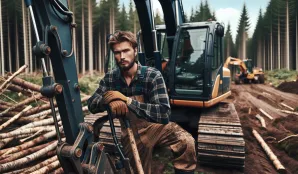
A forestry manager is responsible for planning, leading, and following up forest management activities on large forest estates or for companies and organizations. Tasks include forest planning, harvest planning, environmental considerations, financial follow-up, and contact with contractors and landowners. The role often involves making decisions about forest maintenance, investments, and long-term strategies to ensure profitability and sustainability. The work environment is varied, combining office work and fieldwork in forest settings, requiring flexibility and good physical condition.
Read more ->