Latest posts
Image that illustrates

A screen printer works with screen printing, where ink is pressed through fine mesh stencils to create images and patterns on various materials such as textiles, paper, plastic, or metal. Tasks include preparing and cleaning printing frames, mixing inks, adjusting printing machines, and performing the actual printing process. Precision and a good sense of color and form are crucial, as each print requires accuracy to achieve high quality. The work environment varies between larger print shops and smaller studios, involving both machine-based and handcrafted work. Often, work is performed standing, which can pose ergonomic challenges, especially with larger formats or longer print runs.

Read more ->
Image that illustrates

A trench excavator works with digging, deepening, and reinforcing trenches and pits in the ground, often within construction projects as well as in mines and quarries. The profession involves securing trench walls, managing water drainage, and using both hand tools and machinery to create safe working environments underground or on construction sites. The work environment is characterized by physically demanding tasks, varying weather conditions, and often working at depth, which requires high safety and precision standards.

Read more ->
  • Public Opinion - Opinion Poll: Demoskop February 2026 – Center increases, S still largest
    Fri, 27 Feb 2026 - 09:35
  • National Debt - The National Debt – Sweden's debt exceeds 1,280 billion kr
    Mon, 9 Feb 2026 - 09:59
  • Swedens Policy Rate - Policy rate remains at 1.75% – Riksbank signals stability
    Thu, 29 Jan 2026 - 14:02
Image that illustrates What does a stencil cutter do? – Tasks and work environment
What does a stencil cutter do? – Tasks and work environment

A stencil cutter primarily works on creating and processing stencils used in textile printing, pattern making, or other decorative crafts within craftsmanship and industry. The tasks include carefully drawing, cutting, and sometimes designing stencils according to specific patterns or customer requests. The work requires great precision, patience, and a keen eye for detail, as the final result often determines the appearance of the product. The stencil cutter often works in small ateliers, print shops, or workshop environments where lighting, ergonomics, and good working routines are important for maintaining quality and work environment.

Read more ->
Image that illustrates What does a sänksmed do? – Tasks and work environment
What does a sänksmed do? – Tasks and work environment

Sänksmeds work with shaping and processing metal through drop forging, a process where the material is pressed into shape using dies under high pressure to create details with high precision and strength. Common tasks include operating forging presses, monitoring machines, quality control, and maintenance of tools and equipment. The work environment is often industrial and may involve exposure to high noise levels, heat, and heavy lifting. The work requires precision, technical understanding, and a strong focus on safety.

Read more ->
Image that illustrates What does a saddle maker do? – Tasks and work environment
What does a saddle maker do? – Tasks and work environment

A saddle maker specializes in the manufacturing, repair, and modification of leather products, primarily saddles, harnesses, and accessories for horses and riders. Tasks include measuring and cutting leather, sewing and riveting parts together, and customizing and adjusting finished products for optimal fit and function. The profession requires great precision and a sense for both materials and details, as many steps are done by hand. The work environment is often a small craft business or a personal workshop, where the work can be physically demanding and vary depending on the season and orders.

Read more ->
Image that illustrates What does a plumber do? – Tasks and work environment
What does a plumber do? – Tasks and work environment

A plumber installs, maintains, and repairs piping systems for water, heating, and sewage in buildings. Tasks include new installations in newly built houses as well as renovations and service work in existing structures. The work requires precision, technical knowledge, and the ability to work independently and in teams. The work environment varies from construction sites to confined spaces and can sometimes involve heavy lifting and working in uncomfortable positions. Safety regulations and protective equipment are a natural part of daily work.

Read more ->
Image that illustrates What does a plumber do? – Tasks and work environment
What does a plumber do? – Tasks and work environment

A plumber, or HVAC installer, works with the installation, repair, and maintenance of water, heating, and drainage systems in everything from homes to large industrial facilities. Tasks can include everything from laying new pipes in new constructions to fixing urgent leaks or replacing old pipelines. The work environment varies; some tasks are indoors in confined spaces, while others are outdoors or at heights. The profession requires precision, technical understanding, and problem-solving skills under time pressure. Work is often team-based, but independent planning and execution are common.

Read more ->
Image that illustrates What does a plumber do? – Tasks and work environment
What does a plumber do? – Tasks and work environment

A plumber mainly works with installing, maintaining, and repairing pipe systems for water, sewage, and heating in buildings and facilities. Tasks include everything from laying new pipes during new construction to replacing or repairing existing pipes during renovations and maintenance. The work environment varies depending on the project and can involve indoor and outdoor work, often in confined spaces or on construction sites with high safety standards. Plumbers regularly collaborate with other trades in construction and infrastructure, which requires good communication skills and flexibility.

Read more ->
Image that illustrates What does a radiologic technologist do? – Tasks and work environment
What does a radiologic technologist do? – Tasks and work environment

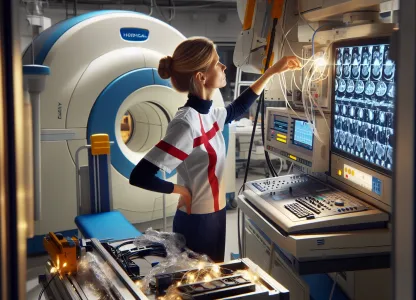
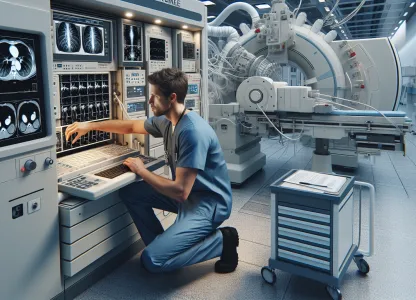
A radiologic technologist works with medical imaging diagnostics and is responsible for producing X-ray images used in patient examination and treatment. The profession involves handling advanced equipment such as CT scanners, MRI machines, and conventional X-ray devices, as well as preparing and informing patients before examinations. The work environment is often hospital-based, but radiologic technologists are also found at private clinics and within occupational health services. The job requires technical skill, a strong focus on patient safety, hygiene, and accuracy, as well as good communication skills and teamwork with both patients and colleagues.

Read more ->
Image that illustrates What does a draftsman do? – Tasks and work environment
What does a draftsman do? – Tasks and work environment

A draftsman primarily works within the industry and manufacturing sectors, often preparing workpieces by marking exact measurements and shapes on metal, plastic, or other materials. Tasks include precise measurement, drawing, and marking for manufacturing or processing, requiring both technical precision and an eye for detail. Draftsmen use manual and sometimes digital tools to ensure production follows drawings and specifications. The work environment is usually workshop-based, with close collaboration with toolmakers, machine operators, and engineers. The environment is often noisy, and safety routines are a natural part of daily work.

Read more ->