Latest posts
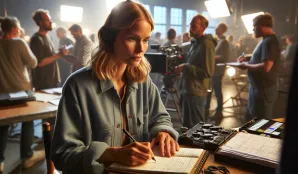
Image that illustrates

A Film Sound Technician is responsible for planning, recording, processing, and mixing sound for film productions and other moving media. Tasks include everything from rigging microphones and sound equipment on location to creating the right soundscape and atmosphere in post-production. Common work environments are film studios, outdoor locations, and sometimes cramped or noisy recording sites that require high technical skills and flexibility. The profession demands close collaboration, as the Film Sound Technician often works closely with directors, cinematographers, and other film crew members to ensure the sound supports the story in the best way.

Read more ->
Image that illustrates

A film consultant primarily works with assessing, supporting, and developing film projects through advising, funding decisions, and guiding filmmakers. The role involves analyzing scripts, following productions, and participating in selection processes to ensure that high-quality and innovative films receive support. The work environment is often project-based and characterized by a fast pace, where collaboration with producers, directors, and other creative professionals is central. Film consultants are usually employed at film institutes, funds, or larger production companies, and the work takes place both in offices and in various production contexts.

Read more ->
  • Public Opinion - Opinion Polls: Kantar-Sifo shows increased support for S, decline for SD and C
    Fri, 13 Feb 2026 - 01:35
  • National Debt - The National Debt – Sweden's debt exceeds 1,280 billion kr
    Mon, 9 Feb 2026 - 09:59
  • Swedens Policy Rate - Policy rate remains at 1.75% – Riksbank signals stability
    Thu, 29 Jan 2026 - 14:02
Image that illustrates What does a film editor do? – Tasks and work environment
What does a film editor do? – Tasks and work environment

A film editor is responsible for cutting and assembling moving images into finished films, TV programs, commercials, or other productions. The work involves selecting, structuring, and editing scenes to create a narrative flow, often in close collaboration with directors, producers, and sound technicians. The film editor works with both visual expression and technical aspects such as color correction and sound synchronization. The work environment typically consists of studios, editing rooms, or home offices, where long hours in front of a computer are common. Precision, artistic sense, and the ability to work under pressure are required.

Read more ->
Image that illustrates What does a script supervisor do – tasks and work environment
What does a script supervisor do – tasks and work environment

A script supervisor is responsible for the practical coordination on a film shoot. The role involves being the link between production, direction, and various technical departments. Tasks include establishing and following up on daily production schedules, coordinating transportation, actors, and staff, as well as solving logistical challenges on-site. The work often occurs under time pressure and requires excellent organizational skills. The work environment varies between studio and outdoor settings, with flexible working hours and sometimes long days common.

Read more ->
Image that illustrates What does a screenwriter do? – Tasks and work environment
What does a screenwriter do? – Tasks and work environment

A screenwriter, often called a scriptwriter, is responsible for developing and writing scripts for films, TV series, and sometimes commercials or informational videos. The work involves creating stories, dialogues, and structure for productions aimed at a broad audience. The screenwriter works closely with directors, producers, and sometimes actors to adapt and further develop scripts throughout the production process. The work environment varies and can include both solitary work at a desk and creative meetings in team settings. Many screenwriters are freelancers with flexible working hours, but deadlines and project-based work are common.

Read more ->
Image that illustrates What does a Film Director do? – Tasks and work environment
What does a Film Director do? – Tasks and work environment

A Film Director has overall responsibility for planning, leading, and executing film productions. The role involves guiding the creative process, budgeting, and ensuring that the production meets deadlines and quality standards. Tasks include leading teams of directors, producers, and technical staff, making strategic and artistic decisions, and negotiating with financiers and partners. Film Directors often work in a dynamic environment where high pace, deadlines, and rapid changes are everyday, and workplaces can vary between offices, filming locations, and meeting rooms depending on the project phase.

Read more ->
Image that illustrates What does a Film Censor do? – Tasks and Work Environment
What does a Film Censor do? – Tasks and Work Environment

A Film Censor reviews and assesses films and moving images based on legislation, ethical norms, and societal values. The main task is to decide whether a work can be shown publicly, as well as to determine age restrictions and potential warnings. The work environment is typically office-based and characterized by careful analytical work, where each decision requires both objectivity and a significant social responsibility. The role involves both independent assessments and teamwork, often in close dialogue with lawyers, educators, and other experts.

Read more ->
Image that illustrates What does a Film Archivist do? – Tasks and work environment
What does a Film Archivist do? – Tasks and work environment

A Film Archivist works with collecting, preserving, and cataloging film-related material, such as movies, documentation, scripts, and other audiovisual information. The profession often involves handling both physical and digital archives, where accuracy and systematic work are crucial to ensure long-term accessibility and safeguarding of cultural heritage. The work environment varies between larger institutions, museums, public archives, and media houses, with tasks ranging from digitization projects to advising researchers and the public. Collaboration with other archivists, IT specialists, and cultural workers is common, and the work often requires the ability to quickly familiarize oneself with new technical solutions for preservation and access.

Read more ->
Image that illustrates What does a film architect do? – Tasks and work environment
What does a film architect do? – Tasks and work environment

A film architect is responsible for creating visual environments and scenic solutions for film productions. Tasks include interpreting scripts, collaborating with directors and producers, designing and leading the construction of sets, environments, and props. The role requires both artistic sensitivity and technical expertise, as film architects often work closely with decorators, lighting specialists, and construction teams. The work environment varies between offices, studios, and filming locations, involving both creative planning at drawing boards and practical work on set. The work is often characterized by a fast pace, tight deadlines, and the need for flexibility to solve unforeseen challenges during production.

Read more ->
Image that illustrates What does a Fileterare do? – Tasks and work environment
What does a Fileterare do? – Tasks and work environment

A Fileterare primarily works with processing and filleting fish or meat in the food industry. The profession requires great precision and good hand motor skills, as the work is often performed with knives or various types of filleting machines. Tasks include cleaning, cutting, deboning, and sometimes packing products for further sale or distribution. The work takes place in cool, humid environments, where hygiene is strictly regulated. The tasks can be monotonous but require constant attention to detail to ensure quality and food safety.

Read more ->