Latest posts
Image that illustrates

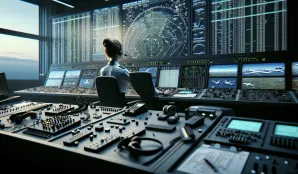
An air traffic controller is responsible for monitoring and directing air traffic to ensure that aircraft travel safely and efficiently through the airspace. The tasks include giving instructions to pilots via radio, managing flight routes, coordinating takeoffs and landings, and making quick decisions in unexpected situations. The work environment is characterized by a fast pace, advanced technical systems, and high demands on concentration and teamwork. The work is usually performed in control centers or towers and often involves shift work, which requires both mental and physical endurance.

Read more ->
Image that illustrates

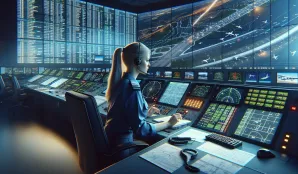
An Air Traffic Control Assistant supports air traffic controllers in their daily work at airports and control centers. Tasks include managing and relaying aircraft information, coordinating ground movements, and monitoring and documenting traffic flows. The role involves close collaboration with other professionals in air traffic management, often in a fast-paced and high-pressure environment. The work environment is technically advanced, safety-focused, and typically located in control rooms equipped with modern technology and digital systems.

Read more ->
Image that illustrates What does a Flight Controller do? – Tasks and Work Environment
What does a Flight Controller do? – Tasks and Work Environment

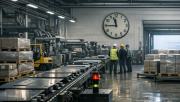
A flight controller is responsible for coordinating and supervising ground-based air traffic, which involves planning, coordinating, and directing aircraft movements at airports. Tasks include communicating with pilots, airport personnel, and other transport coordinators to ensure departures and arrivals are on schedule, and that loading and unloading are carried out efficiently and safely. Flight controllers often work in control centers or directly on the airport grounds, where the pace is high and precision is critical. The work environment demands teamwork, stress resilience, and strong communication skills to handle both planned and unexpected situations.

Read more ->
Image that illustrates What does an aircraft instrument technician do? – Tasks and work environment
What does an aircraft instrument technician do? – Tasks and work environment

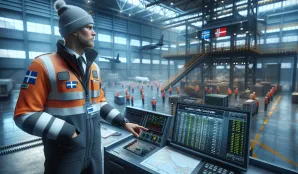
An aircraft instrument technician is responsible for servicing, repairing, and calibrating instruments and electronics onboard aircraft. Tasks include troubleshooting advanced systems, replacing faulty components, and performing precise inspections according to strict safety standards. The work is often carried out in hangars or directly at airport workshops, where accuracy and quality are crucial for flight safety. Aircraft instrument technicians work in teams with other specialists and regularly communicate with pilots and engineers to ensure all instruments function correctly before and after each flight.

Read more ->
Image that illustrates What does an aerospace engineer do in the industry? – Tasks and work environment
What does an aerospace engineer do in the industry? – Tasks and work environment

An aerospace engineer in the industry works on developing, designing, and maintaining aeronautical systems and components within the industrial sector. Tasks often include designing aircraft parts, testing materials and mechanical systems, and optimizing production processes to ensure maximum safety and efficiency. The profession involves close collaboration with other engineers and technicians, often in project teams and international environments. The work environment varies between offices, laboratories, and manufacturing facilities, with high demands for precision, safety, and teamwork.

Read more ->
Image that illustrates What does an aerospace engineer in the Air Force do? – Tasks and work environment
What does an aerospace engineer in the Air Force do? – Tasks and work environment

An aerospace engineer in the Air Force is responsible for ensuring the safety, operational reliability, and performance of the Air Force's aircraft and associated equipment. Tasks include technical analysis, maintenance planning, troubleshooting, and participating in development projects for new flight systems. The role often involves close collaboration with technicians, pilots, and defense management. The work environment varies from office settings and workshops to outdoor airfield operations, requiring flexibility and the ability to work systematically under pressure.

Read more ->
Image that illustrates What does a Flotation Operator do? – Tasks and Work Environment
What does a Flotation Operator do? – Tasks and Work Environment

A Flotation Operator primarily works within the mining and ore processing industry, where their responsibility revolves around monitoring and controlling the flotation process. Tasks include inspecting machinery and facilities that separate minerals from ore material through chemical and physical processes. Daily duties also involve taking samples, adjusting chemical dosages, reporting deviations, and performing minor maintenance. The work environment is often industrial, involving shift work, noise, and chemical handling, which requires precision and safety awareness.

Read more ->
Image that illustrates What does a Florist Assistant do? – Tasks and Work Environment
What does a Florist Assistant do? – Tasks and Work Environment

A florist assistant works alongside florists in shops and garden centers. Typical tasks include receiving and unpacking goods, watering and caring for plants, helping customers with basic advice, handling cash registers, and preparing and arranging flowers and plants in a sales-promoting manner. The work environment is often colorful and creative but can also be physically demanding with heavy lifting and working in cool storage. Interaction with customers and colleagues is central to the job, and the pace can vary depending on the season, holidays, and promotions.

Read more ->
Image that illustrates What does a florist do? – Tasks and work environment
What does a florist do? – Tasks and work environment

A florist works with creating, arranging, and selling flowers and plants in retail stores or at special events such as weddings, funerals, and corporate functions. Daily tasks include composing bouquets, decorating arrangements, handling orders, and advising customers on plant choices and care. The work environment is often creative but can also be physically demanding, involving standing for long periods and handling heavy plants or water-filled containers. Florists primarily work in flower shops but may also be employed at larger department stores, wholesalers, or work as freelancers for events. Customer contact, service, and a sense of color and form are central to the profession.

Read more ->
Image that illustrates What does a Flops-operator do? – Tasks and work environment
What does a Flops-operator do? – Tasks and work environment

A Flops-operator primarily works with monitoring, controlling, and maintaining advanced machines within the metal industry. Tasks often include starting, stopping, and adjusting machines, checking production flow, and ensuring products meet quality standards. Troubleshooting and fixing minor technical issues on-site, as well as reporting deviations to supervisors or technicians, are common responsibilities. The work environment is characterized by industrial settings where safety, accuracy, and collaboration with other operators and technicians are central. Shift work and working in noisy environments may occur, requiring good physical and mental endurance.

Read more ->