News and articles
- Home
- Articles






Latest posts
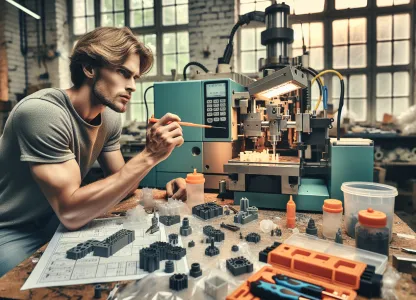
A plastic mold maker primarily works with manufacturing products and components through plastic molding. Tasks include monitoring and controlling molding machines, preparing and maintaining molds, and inspecting the quality of finished products. The mold maker is also responsible for adjusting machine settings to optimize production and minimize material waste. The work environment is often industrial, with noise and a high focus on safety, where protective equipment and precision are essential. The work may involve shift work and requires good physical condition as well as the ability to work independently and in teams.
Read more ->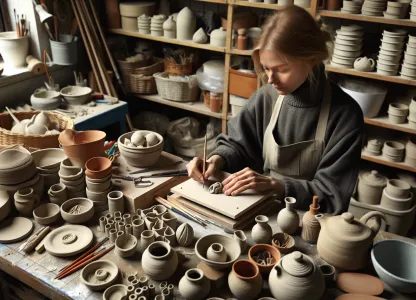
A ceramic mold maker is responsible for producing ceramic items through casting in molds. Tasks include preparing molds, mixing clay mass, monitoring the casting process, and post-processing and firing finished products. The work is often manual and machine-assisted in a workshop environment, where precision and material feel are crucial. The environment can be dusty and humid, requiring carefulness and safety awareness.
Read more ->-

Opinion Polls: Kantar-Sifo shows increased support for S, decline for SD and C
Fri, 13 Feb 2026 - 01:35 -

Policy rate remains at 1.75% – Riksbank signals stability
Thu, 29 Jan 2026 - 14:02

Designers specializing in silversmithing work creatively to design and produce items in silver and sometimes other precious metals. Tasks include everything from sketching and design processes to handcrafted manufacturing, processing, and polishing of jewelry, functional objects, or art pieces. Many work in their own studio, but employment within industry or larger design firms also exists. The work environment is characterized by precision, concentration, and often sedentary work at a workbench, where both hand tools and machines are used to shape and join materials.
Read more ->
A designer works on developing and shaping products, objects, or visual concepts for industry, consumer markets, or public environments. Tasks range from creating sketches and digital prototypes to collaborating with engineers, marketers, and manufacturers to realize ideas into finished products. Material analysis, color choices, ergonomics, and adaptation to user needs are often included. Designers are found in everything from design agencies and industrial companies to public sector organizations and as freelancers. The work environment is characterized by creativity, project-based work, and often a fast pace, where digital tools and cross-functional teamwork are central elements.
Read more ->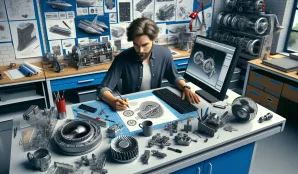
A designer in the industry works on creating and developing products that combine functionality, aesthetics, and user-friendliness. Tasks include the entire process from idea and concept development to finished product, including sketches, 3D modeling, and prototype development in close collaboration with engineers, marketers, and production teams. The work often occurs in project form and the environment is characterized by interdisciplinary teamwork and a fast pace. It is common for designers to participate in meetings with clients and suppliers to ensure the product meets both technical and visual requirements. The work environment is generally office-based but may also involve visits to factories or partner companies.
Read more ->
A graphic designer develops visual concepts and solutions for printed and digital media. Tasks include creating logos, posters, packaging, and developing graphic profiles and visual identities for companies and organizations. The role often involves collaborating with clients, marketers, and other creative professionals to ensure that messages are conveyed effectively and aesthetically. The work environment is usually office-based or in a studio, where work is performed at computers using modern design software. Flexibility and the ability to handle tight deadlines are central to the profession, especially in agency settings or freelance projects.
Read more ->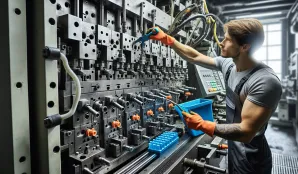
A rubber mold changer in the rubber industry is responsible for changing and maintaining molds in machines that produce rubber products. The work is often carried out in a production environment where precision and technical understanding are crucial, as mold changes affect both quality and efficiency in the manufacturing process. Tasks include dismantling and assembling molds, adjusting machine settings, ensuring production runs smoothly without interruptions, and collaborating with machine operators and technicians. The environment is typically industrial with high noise levels and safety requirements, and work can be day or shift work.
Read more ->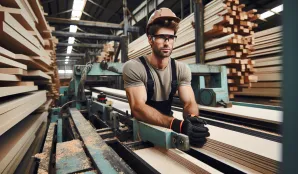
A formatsågare in fiberskiv production is responsible for sawing and adjusting fiber boards according to specified measurements and specifications. The work is often performed in industrial environments where precision and safety are crucial. Formatsågarna operate and monitor advanced machinery, ensure the quality of the final products, and perform basic maintenance on equipment. The work environment can be noisy and requires good knowledge of safety routines, as well as the ability to work independently and in teams.
Read more ->
A ceramic modeler works with creating functional ceramics, art pieces, or decorative objects by shaping and processing clay and other ceramic materials. Tasks include throwing, casting, slab-building, and hand-building, as well as glazing and firing finished products in a kiln. The work can be performed in small studios or larger workshops, often combining traditional craftsmanship with modern techniques. The environment is characterized by proximity to materials and tools, and the workday can be physically demanding with heavy lifting and repetitive movements.
Read more ->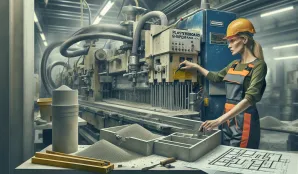
A plasterboard finisher primarily works with shaping and processing gypsum-based building materials for use in construction and civil engineering. Tasks include preparing molds, mixing and pouring gypsum, monitoring the drying process, and performing quality checks of finished products. It also involves maintaining equipment and ensuring production complies with safety regulations. The work environment is often industrial and can involve work in both small workshops and larger factories. Physical effort and precision are central to the profession, and the workday can vary depending on project scope and production demands.
Read more ->