News and articles
- Home
- Articles






Latest posts

Micromechanics work with manufacturing, assembling, and repairing very small and precise mechanical components. These details can be found in everything from medical equipment to watches, optical instruments, or advanced machine tools. The work requires great precision, dexterity, and often the use of microscopes or specialized tools. The work environment is usually clean and controlled, often in workshops or laboratories where precision and quality are crucial. Micromechanics often collaborate with engineers and technicians to ensure that components meet high standards of tolerances and functionality.
Read more ->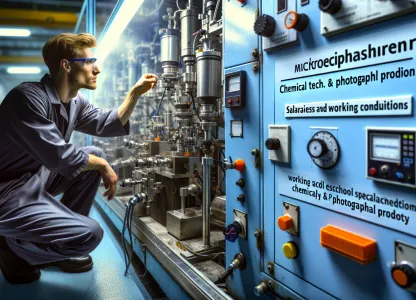
Microcopy technicians primarily analyze and process materials on a microscopic scale, often within laboratory environments related to chemical-technical or photographic production. Tasks involve examining samples, documenting results, and ensuring processes meet quality standards. The technician handles advanced technical equipment and must follow strict safety procedures. The work environment is typically sedentary and indoors, focusing on accuracy and precision. Collaboration with engineers, laboratory staff, and production technicians is common, especially in larger industrial companies or specialized laboratories.
Read more ->-

Opinion Landscape: Novus February 2026 – Social Democrats Still Largest
Thu, 19 Feb 2026 - 01:35 -

Policy rate remains at 1.75% – Riksbank signals stability
Thu, 29 Jan 2026 - 14:02

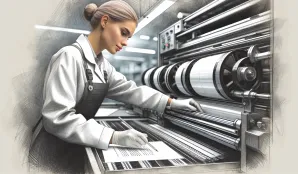
A Microfilmer works with converting physical documents, images, or drawings into microfilm format, which involves photographing and storing the material on film for long-term archiving and security. Tasks include handling advanced camera equipment, quality assurance of image results, as well as documentation and cataloging of materials. The work is often performed in an office environment or specialized archives and requires high precision, technical knowledge, and the ability to work systematically with large amounts of information. Collaboration with archivists, librarians, and technical staff is common to ensure proper and efficient handling of materials.
Read more ->
A Microbiologist primarily works with investigating microorganisms such as bacteria, viruses, fungi, and parasites. The work may include research, laboratory analysis, quality control, or product development within sectors like pharmaceuticals, food, or environmental industries. A typical work environment consists of laboratories where advanced equipment is used to analyze samples and conduct experiments. Microbiologists often collaborate with other researchers and technicians, working independently or in project teams, sometimes under time pressure and with high demands for accuracy and safety.
Read more ->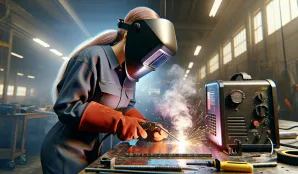
MIG welders work with joining metals through gas metal arc welding with inert gas, where a protective gas flow prevents oxidation and ensures high-quality welds. Tasks include preparing materials, setting up welding equipment, performing welds according to drawings, and inspecting and finishing welded parts. The work is often performed in workshops, industrial halls, or construction sites and can involve both monotonous and highly varied tasks, depending on the workplace and project. The work environment is characterized by high noise levels, heat, and sometimes heavy lifting, which requires protective gear and carefulness.
Read more ->
A Methodologist Statistician develops, quality-assures, and analyzes statistical methods and models to ensure data collection and analysis meet high scientific standards. Common tasks include designing survey layouts, optimizing sampling methods, processing large datasets, and interpreting and presenting statistical results. The work is often conducted within government agencies, research institutes, or larger organizations with a need for advanced data analysis. The work environment is mainly office-based and involves close collaboration with researchers, analysts, and IT specialists. Methodologist Statisticians are also expected to stay updated on new statistical tools and methods to contribute to efficient and accurate analysis activities.
Read more ->
A Methodist pastor plays a central role within the Methodist Church and is responsible for leading congregational services, providing pastoral care and guidance, as well as planning and conducting various church activities. The job also includes teaching, confirmation work, and supporting congregation members through life events such as baptisms, weddings, and funerals. In addition to spiritual leadership, administrative tasks, coordination of volunteers, and sometimes collaboration with other denominations or community actors are involved. The work environment is often varied and can include church halls, parish centers, and home visits to members.
Read more ->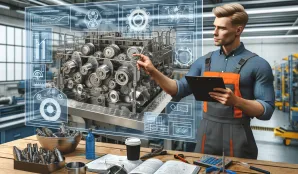
A mechanical methods engineer is responsible for developing, optimizing, and quality assuring manufacturing processes within industry. The role involves analyzing and improving work methods, workflows, and machine usage to increase efficiency and safety in production. Methods engineers often collaborate with production technicians, production managers, and maintenance staff to identify bottlenecks and suggest technical solutions. The work environment is typically industry-based, involving both office work and on-site production floors. The role requires an analytical approach, teamwork skills, and a good understanding of both technology and work environment issues.
Read more ->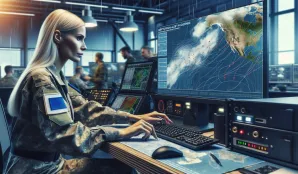
Meteorological assistants in the defense play a central role in supporting military operations with weather-related information and technical support. Their tasks include collecting, analyzing, and reporting meteorological data, handling measurement instruments, and communicating weather forecasts to commanders and field personnel. The work often involves close collaboration with meteorologists and technicians, where accuracy and efficiency are crucial for success. The work environment can vary between office-based assignments at military facilities and more field-based work during exercises or missions, requiring both technical skills and good teamwork.
Read more ->
Meteorological assistants at SMHI support meteorologists in daily forecasting and analysis work. Tasks include collecting, processing, and quality-assuring meteorological data, monitoring measurement stations, and reporting weather observations. The work is often done in close collaboration with senior meteorologists and technical specialists, with a strong focus on accuracy and reliability. The work environment is largely office-based but can also include outdoor work during field measurements or equipment maintenance. Shift work and standby duties occur, especially during extreme weather events or major weather phenomena.
Read more ->